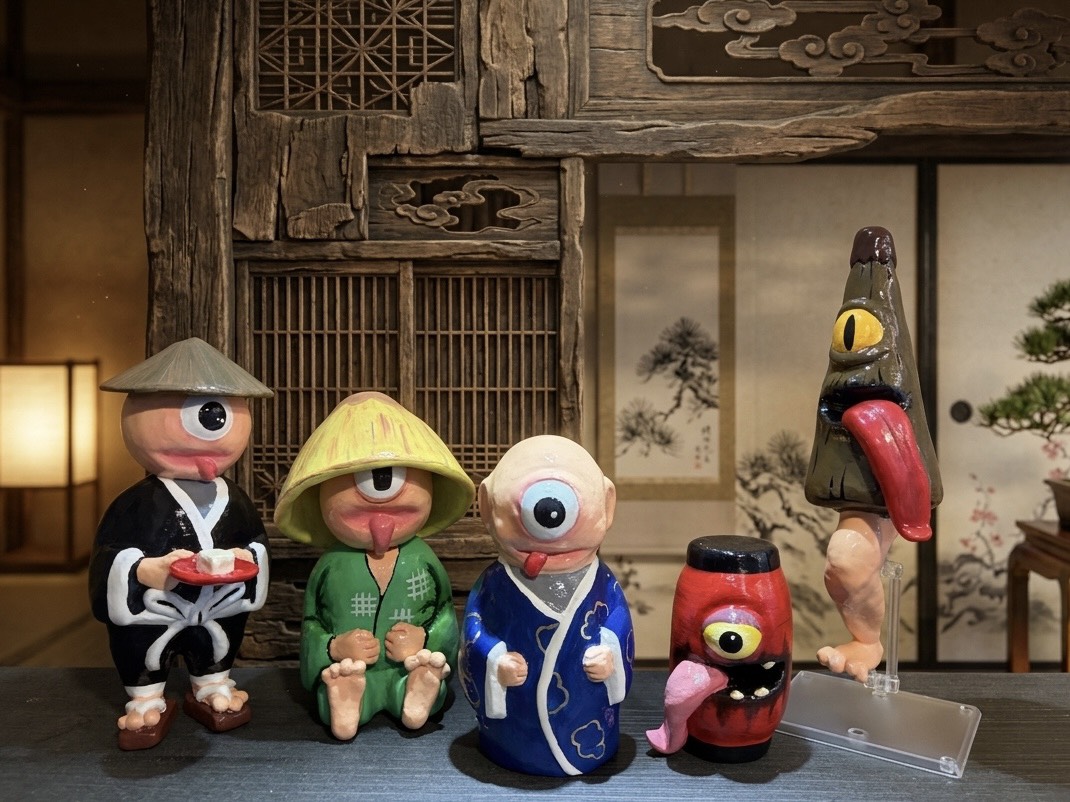
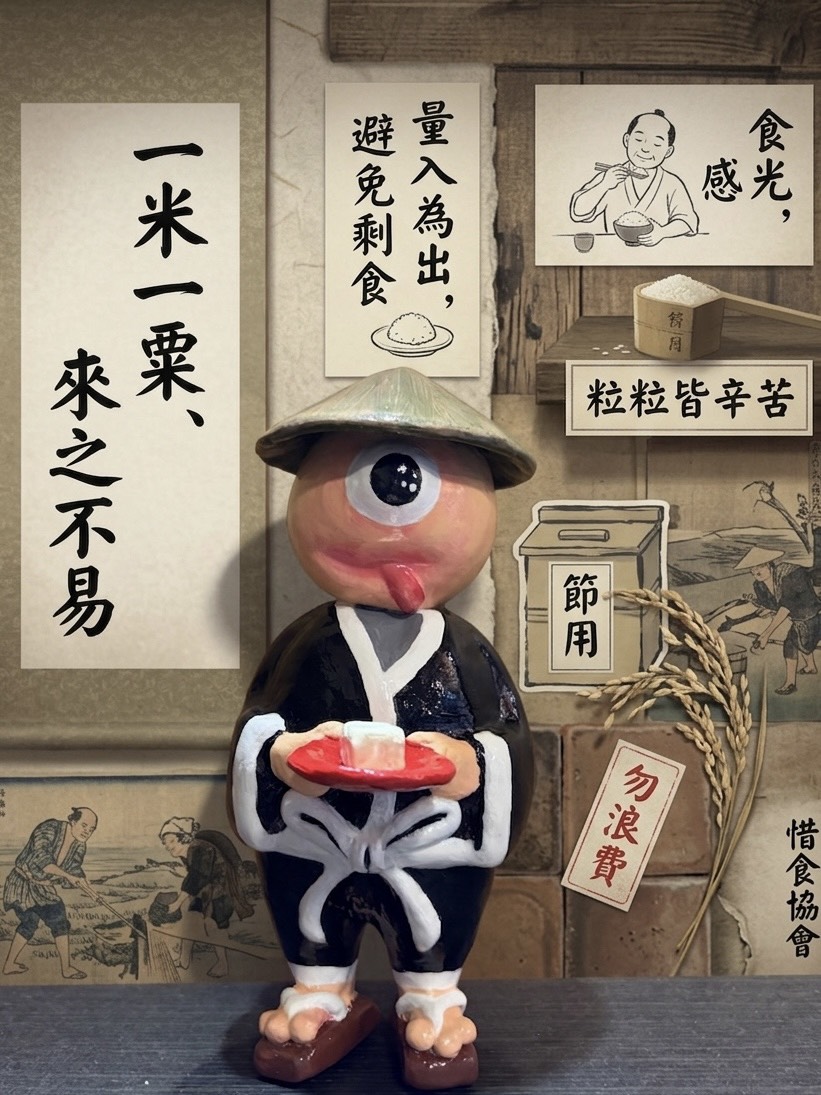
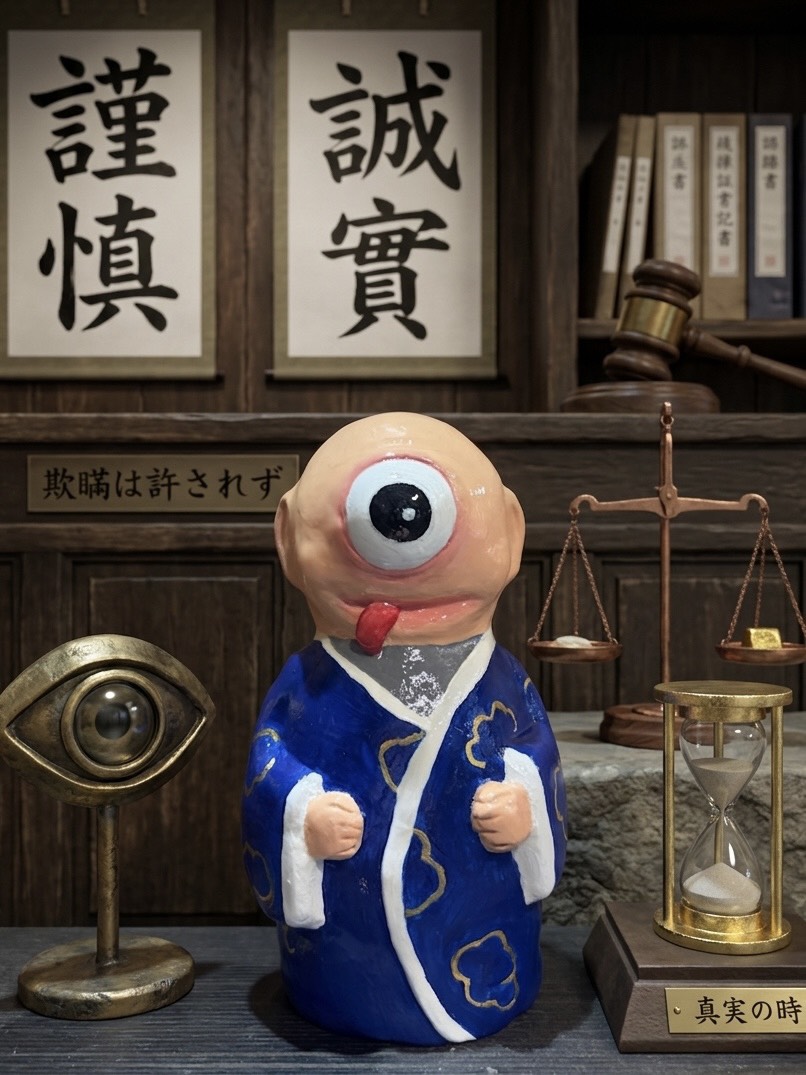
本創作以日本民間傳說中的「小僧」妖怪為核心,透過角色設計與立體公仔形式,重新詮釋傳統妖怪於當代生活中的意義。整體作品以五位小僧為主體,依序為豆腐小僧、雨降小僧、一目小僧、提燈小僧與唐傘小僧,並結合其原有形象進行造型轉化,使角色兼具文化來源與現代視覺風格。
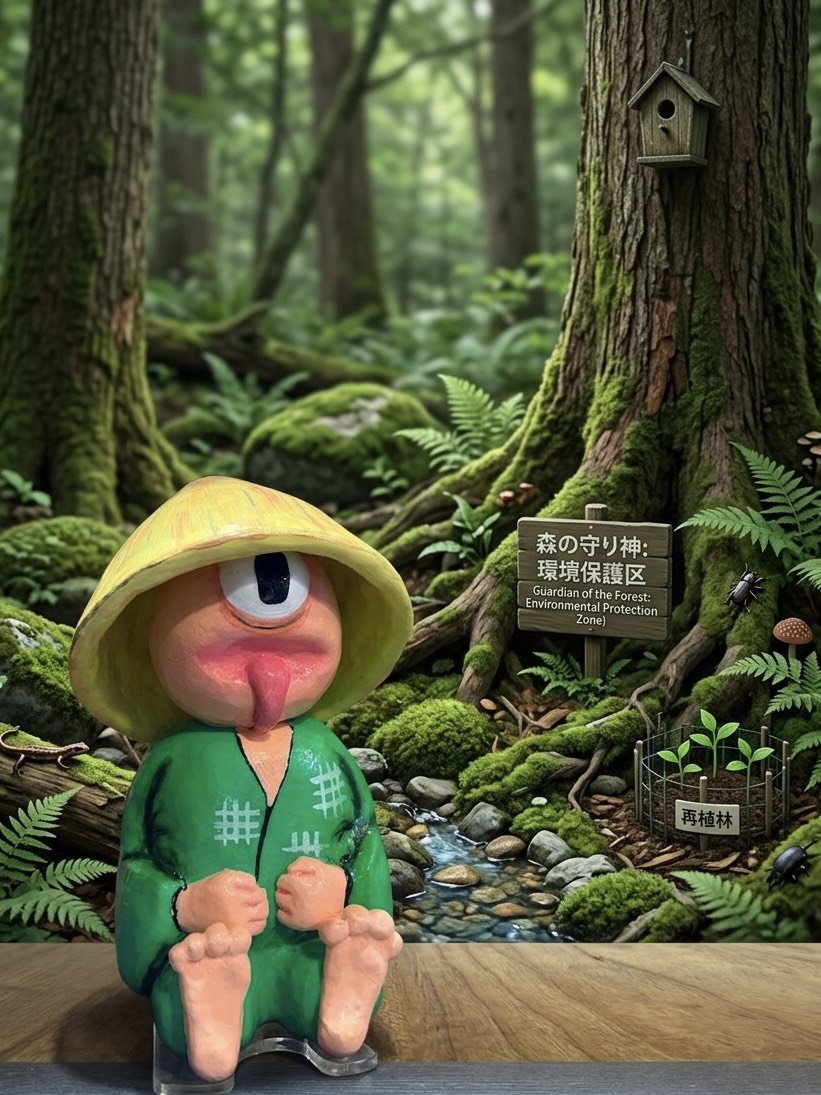
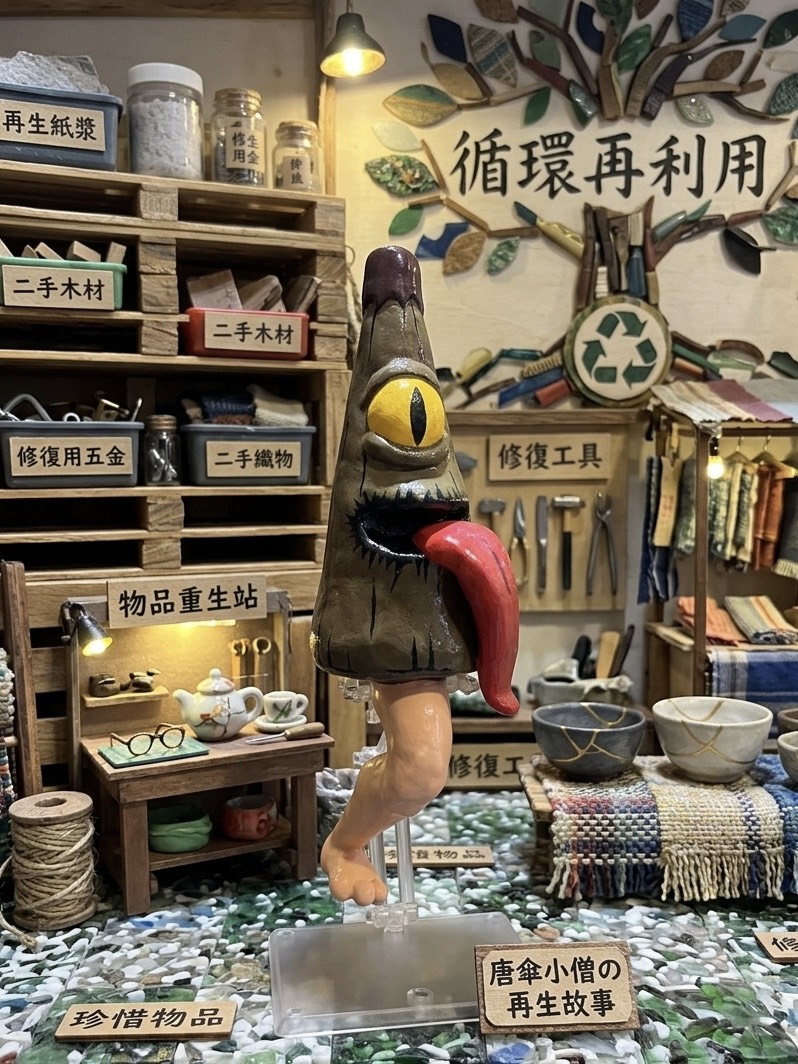
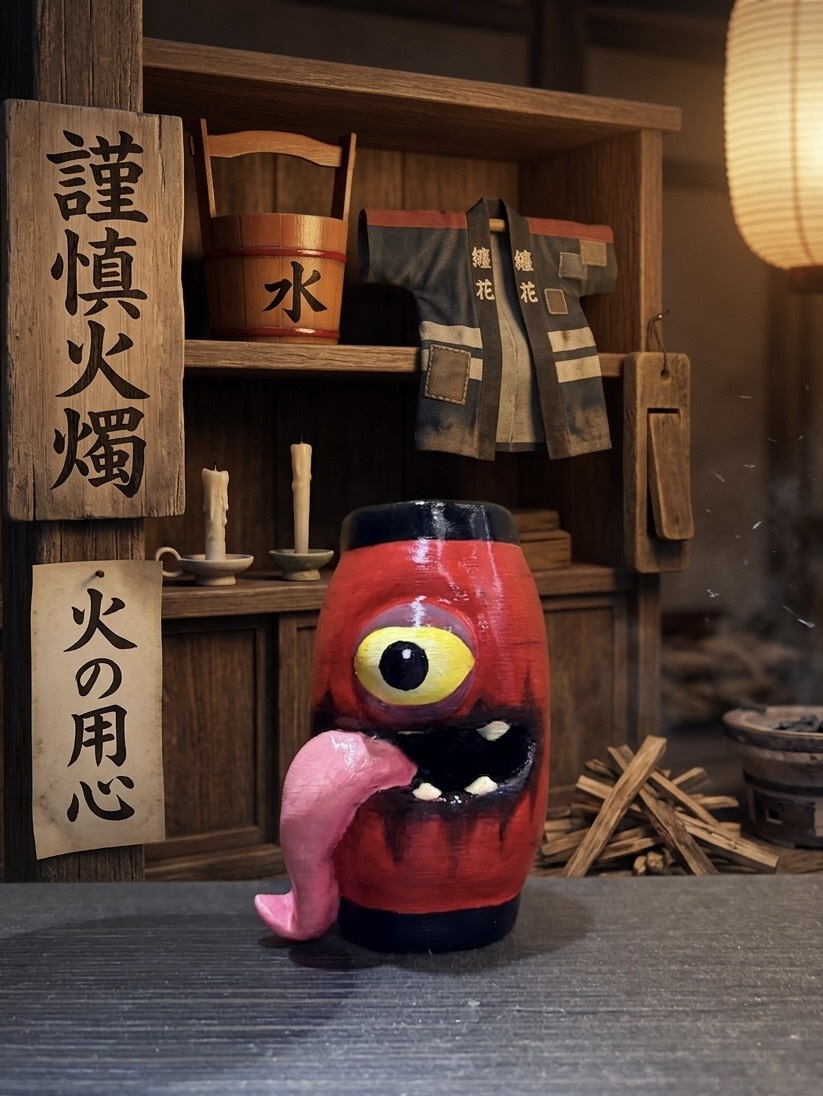
在設計上,透過簡化造型與柔和比例,使妖怪形象由原本的神秘與距離感,轉變為親近且易於理解的角色。同時,五隻小僧分別承載不同象徵意涵:豆腐代表珍惜食物與避免浪費;雨降象徵環境保育與自然循環;一目表現自我警惕與誠實面對;提燈象徵指引方向與安全意識;唐傘則代表珍惜物品與資源再利用。
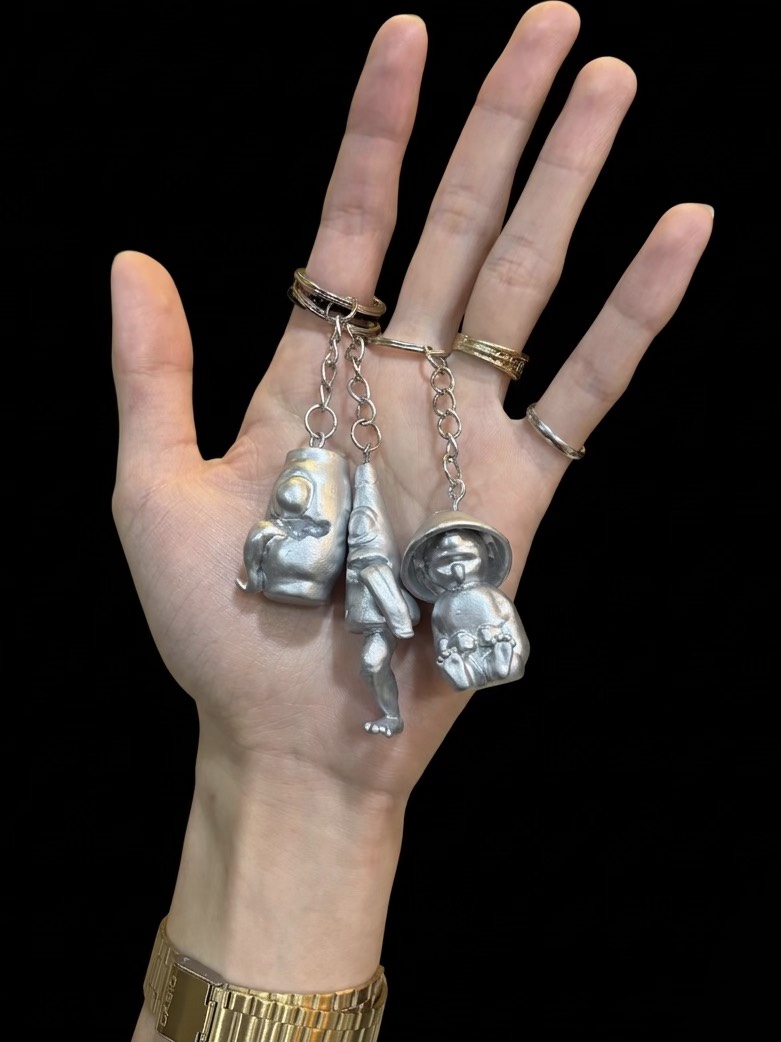
本作品希望透過日常可接觸的公仔與鑰匙圈形式,將抽象價值轉化為具體形象,使觀者在觀看與使用的過程中,產生共鳴並反思自身生活行為,進而讓傳統妖怪文化成為連結當代價值與永續觀念的媒介。
This project reinterprets “kozō” yokai from Japanese folklore through character design and collectible figures, transforming traditional imagery into forms that are approachable and relatable for contemporary audiences. The five characters are inspired by elements such as tofu, rain, a single eye, a lantern, and an umbrella, each symbolizing values in daily life, including resource conservation, environmental awareness, self-reflection, safety guidance, and reuse. By simplifying forms and softening visual features, the design reduces the distance often associated with yokai, allowing viewers to engage with them in a more familiar way. Through small-scale figurines and keychains, these meanings are integrated into everyday contexts, encouraging reflection on personal behavior. Ultimately, the project bridges traditional folklore and contemporary values, using design to convey sustainability and cultural awareness.