隨著廢耕農地逐漸轉變為野生動物棲地,但多數動物以隱蔽方式活動,人們難以直接察覺其存在,往往低估自身行為對環境造成的影響,進而導致棲地破碎與生態壓力。
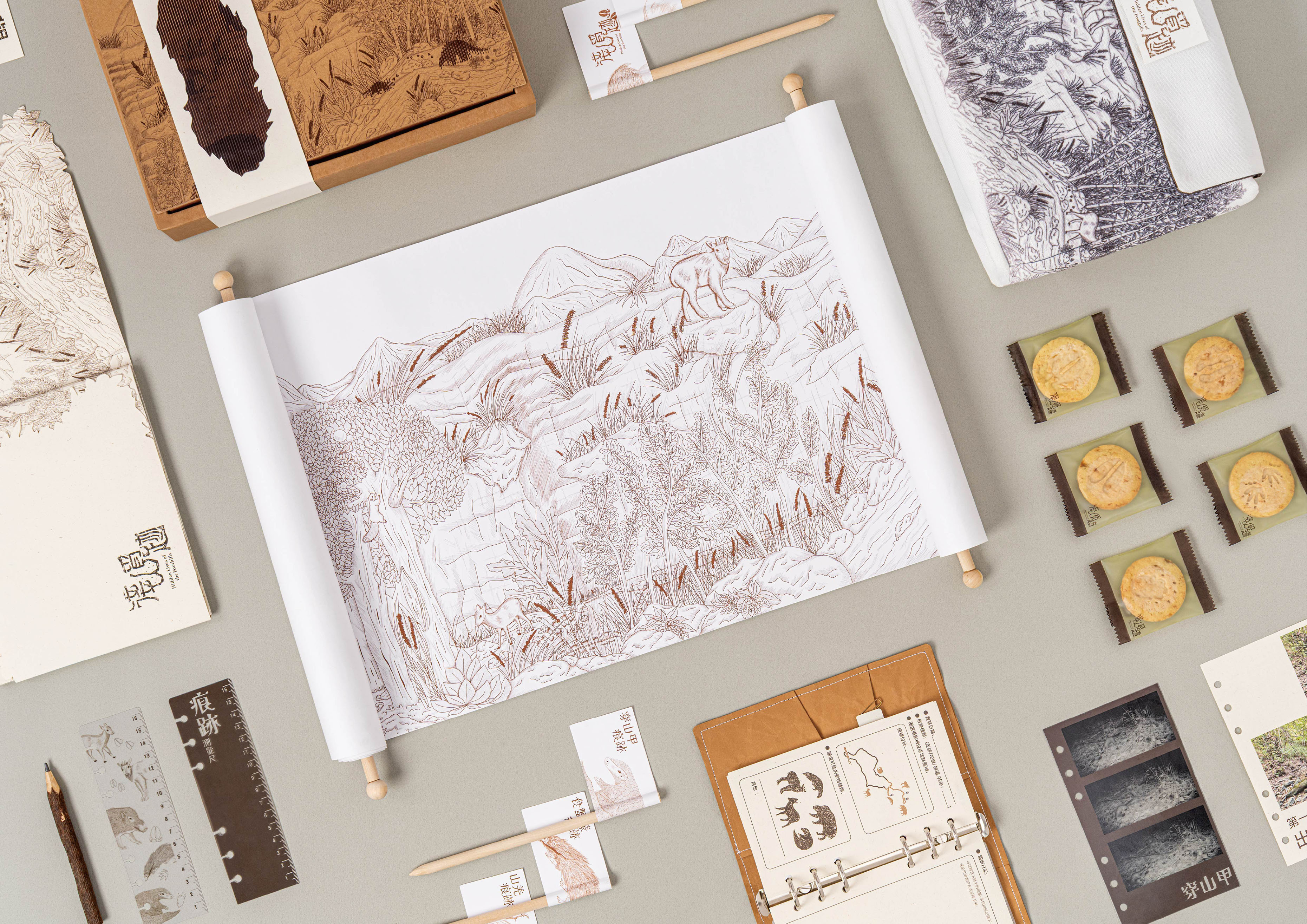
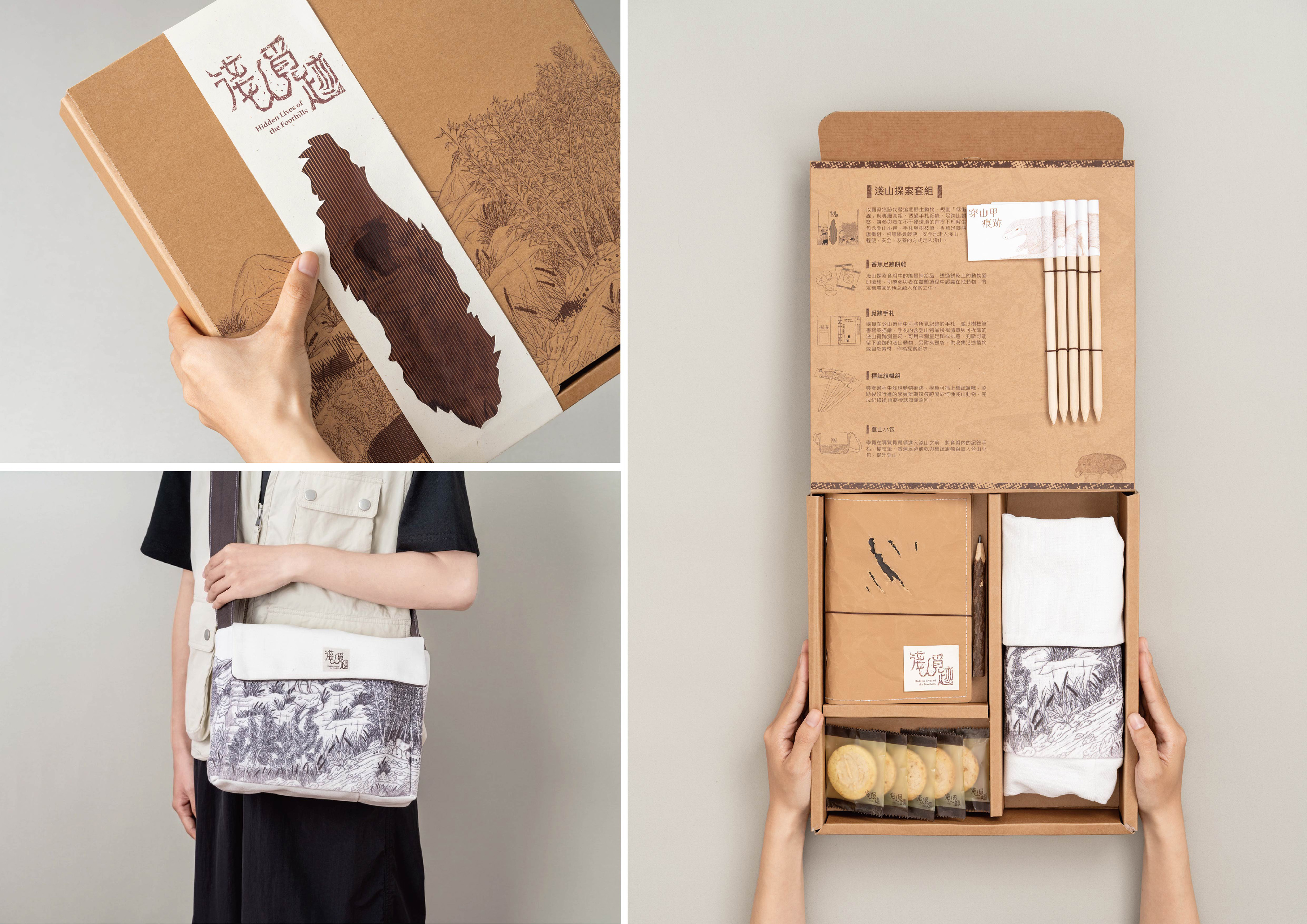
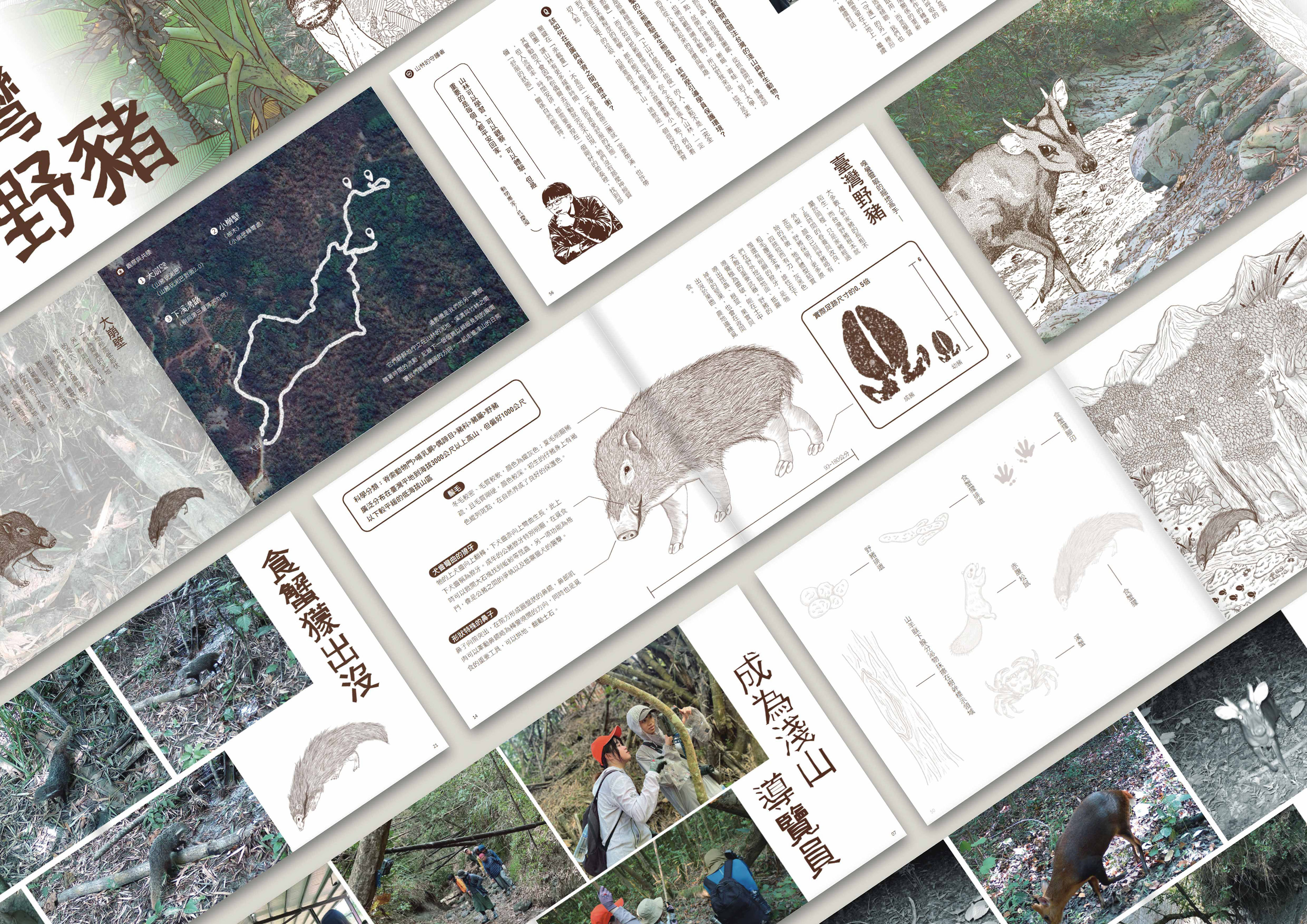
與臺灣南部地方非營利組織合作設計「淺山覓跡」參與式生態探索套組,包含《淺山紀錄誌》及「淺山探索套組」,以探索歷程「認識-踏入-判讀-轉化」四階段循環學習架構,引導使用者從基礎知識理解、實地觀察到痕跡判讀,再回到經驗分享與知識轉譯,逐步建立閱讀自然的能力。
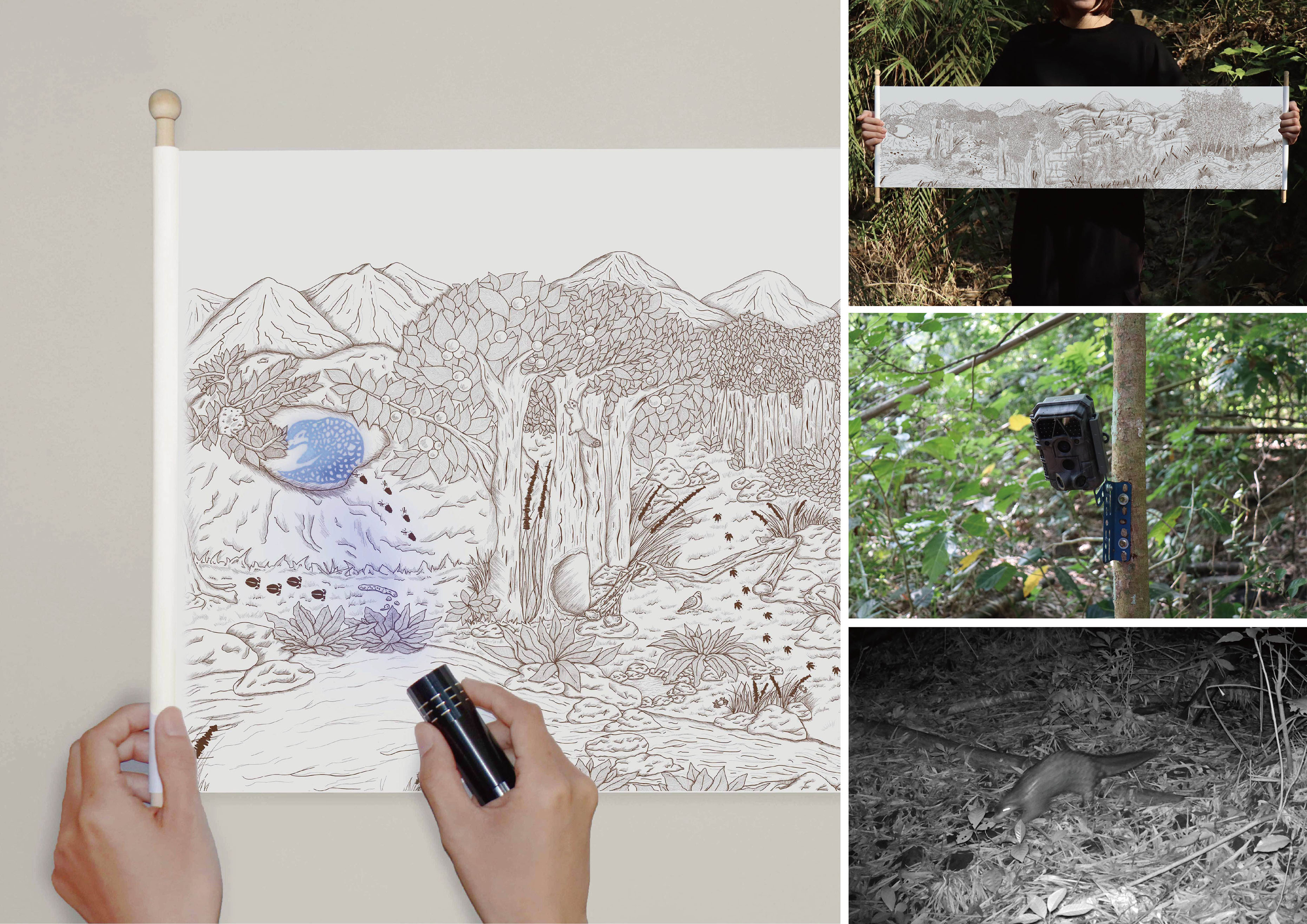
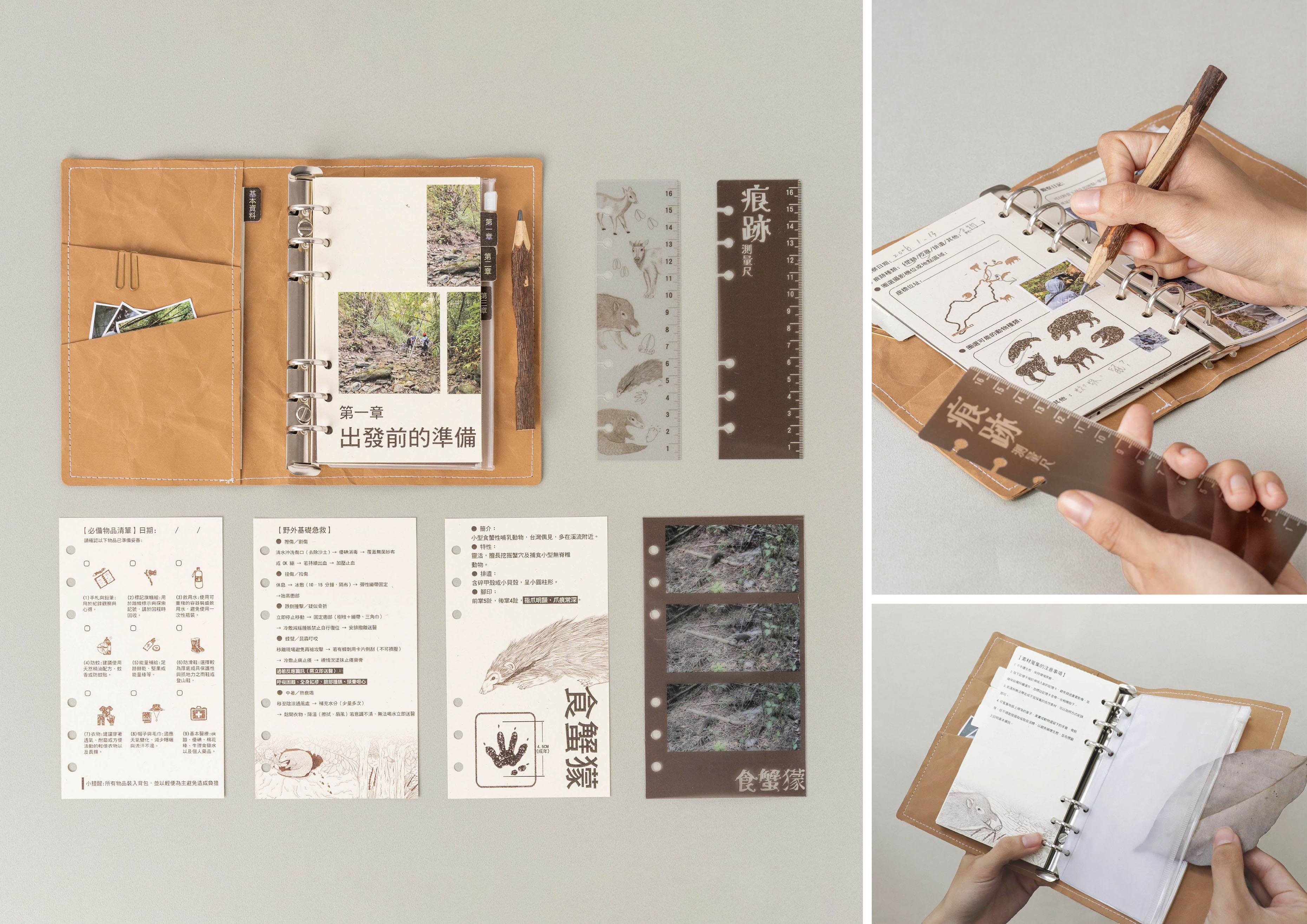
設計上將田野調查與動物攝影影像轉譯為視覺化教材,以「尋找」概念,運用感光圖像、互動光柵等設計,讓平時不易被發現的動物,在UV光照射或移動下如同夜間攝影般顯現,回應淺山動物難以「眼見」卻真實存在的情境,同時我們將各種探索需求整合在套組中,如路徑紀錄、位置標示、尺寸測量、物件蒐集、圖像繪製、能量補充等功能。
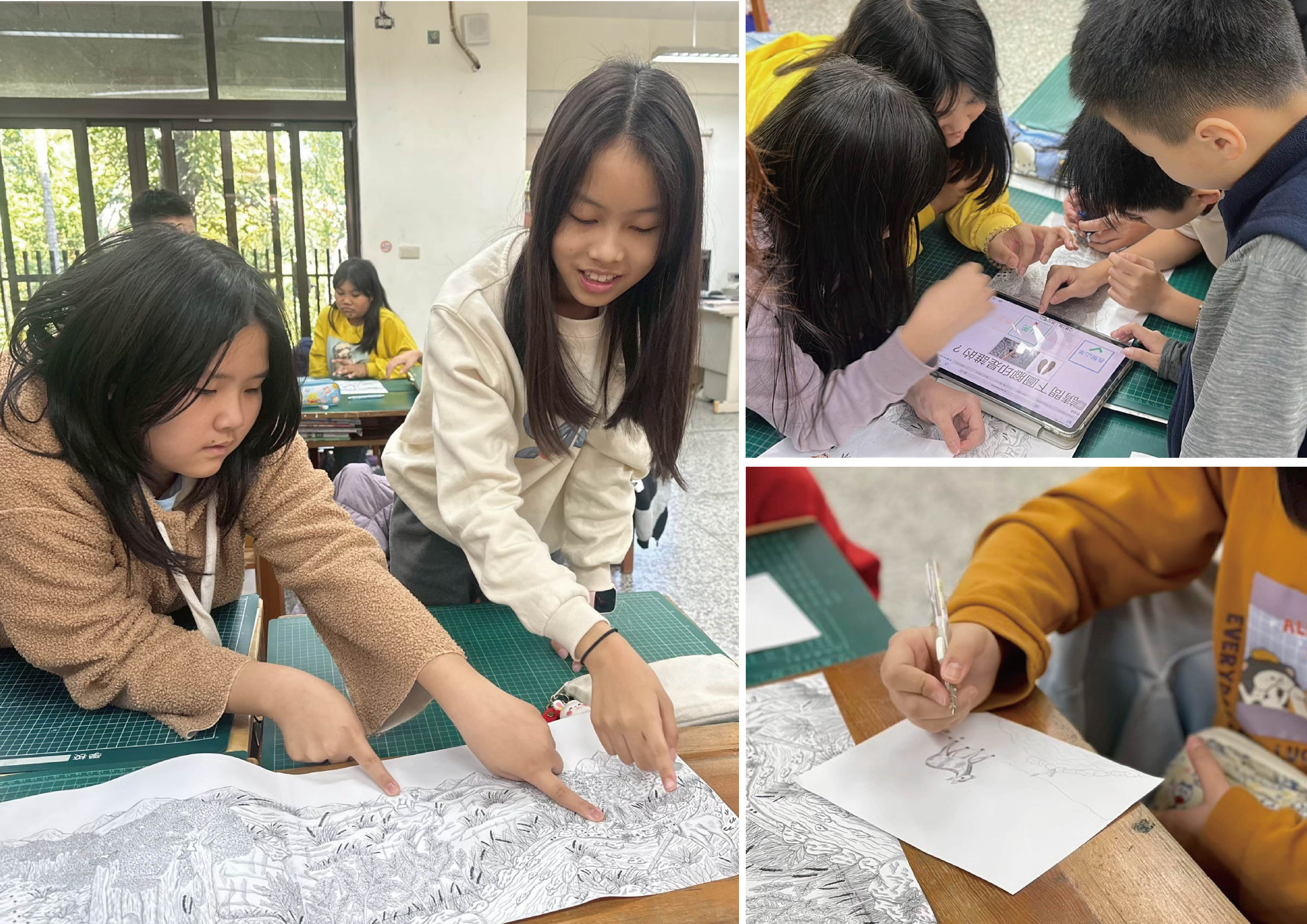
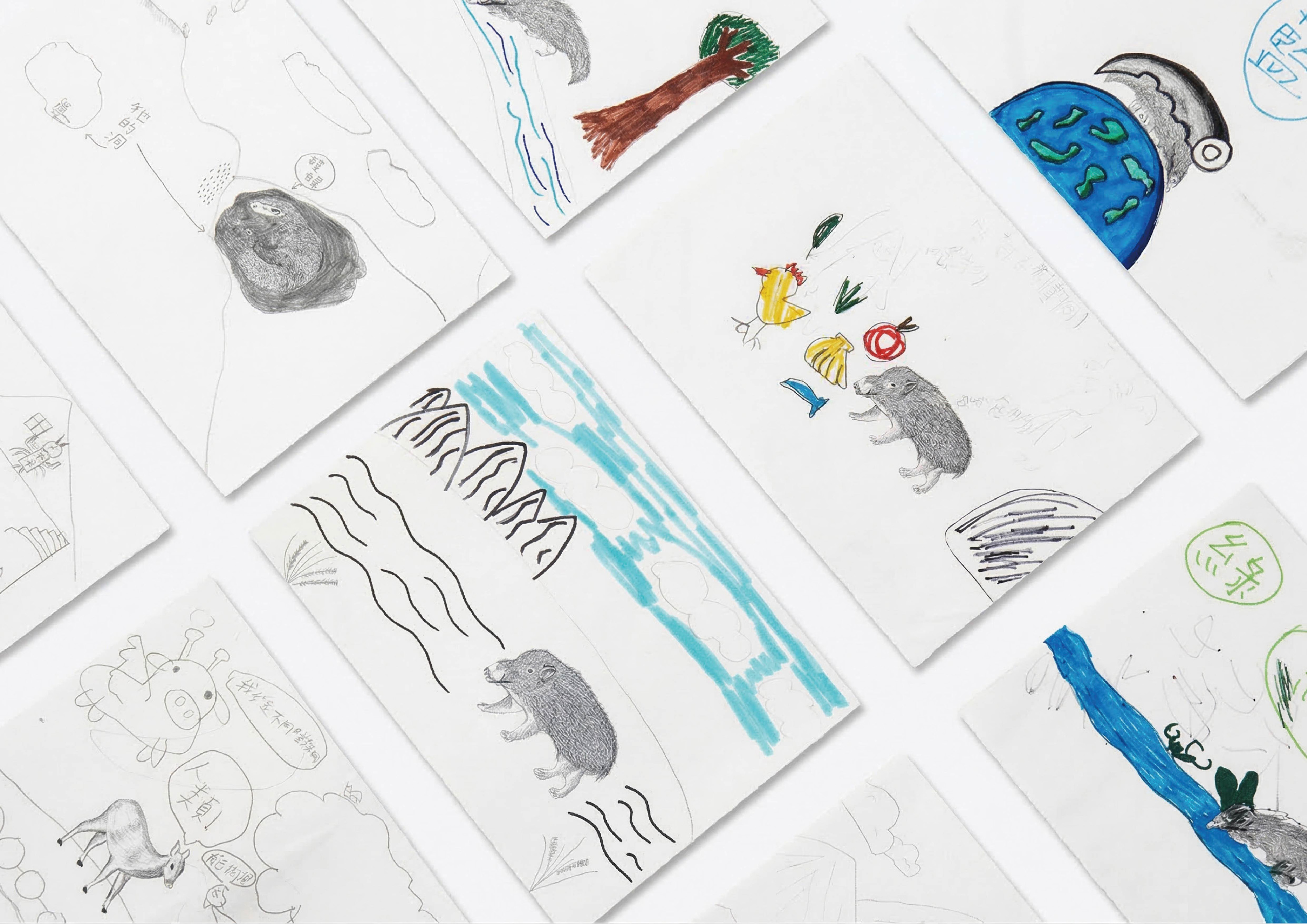
「淺山覓跡」透過設計讓不易被看見的生態線索被理解,將視覺設計轉化為生態溝通的媒介,培養具備觀察力與行動力的淺山守護者,設計成果亦實際運用於當地小學教育及社區志工培訓,引導民眾以低衝擊的方式認識動物,培養具永續意識的淺山守護者。
As abandoned farmlands become wildlife habitats, many animals remain hidden, making their presence hard to detect. This often leads people to underestimate their environmental impact, resulting in habitat fragmentation and ecological pressure.
In collaboration with a southern Taiwan NGO, we designed “Hidden Lives of the Foothills”, a participatory ecological exploration kit including a field journal and tool set. Through four stages—learn, enter, interpret, transform—it guides users to observe and understand nature. Photoreactive and interactive visuals reveal hidden animals under UV light. The kit supports low-impact exploration and fosters ecological awareness.