人的一生是由記憶與情緒拼湊而來的,悲傷並不會消失,快樂亦然。曾經發生的快樂在某些時刻會成為你繼續前進的力量,就像餘留下來的溫度,在我們的心裡保存了一份溫熱。
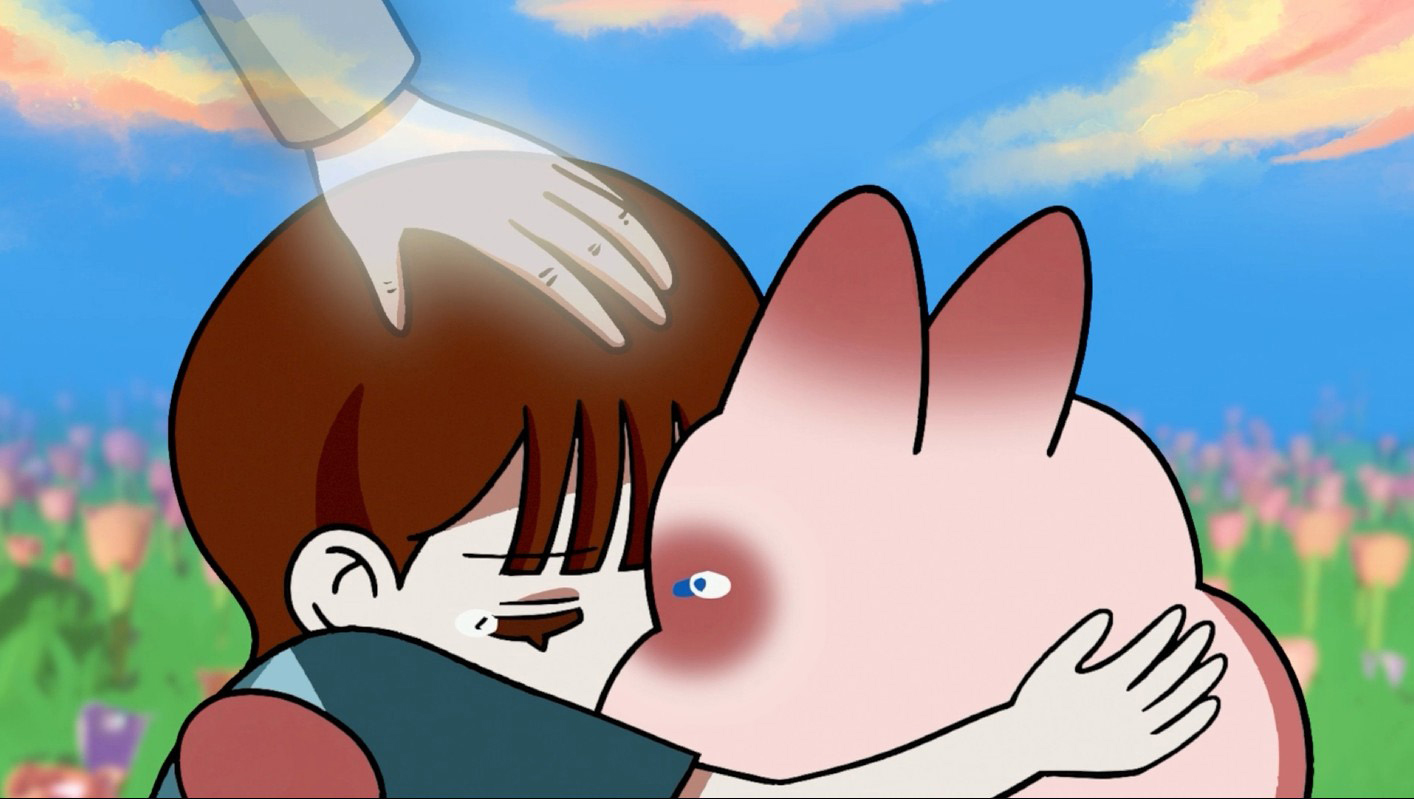
而悲傷是人人都會擁有的情緒,每個人會透過各種方式去接受、遺忘、擁抱它,但當突然的回憶起一份悲傷 ,我們會做些什麼呢? 而悲傷如果是一個娃娃,它會是什麼反應? 悲傷希望我們快樂嗎? 我們覺得他會希望我們快樂。因為悲傷本身是由「愛」做成的,悲傷不只有痛,它的核心是「你曾經深深珍惜過什麼」,而快樂的回憶不會否定痛,它反而是讓痛有了邊界。
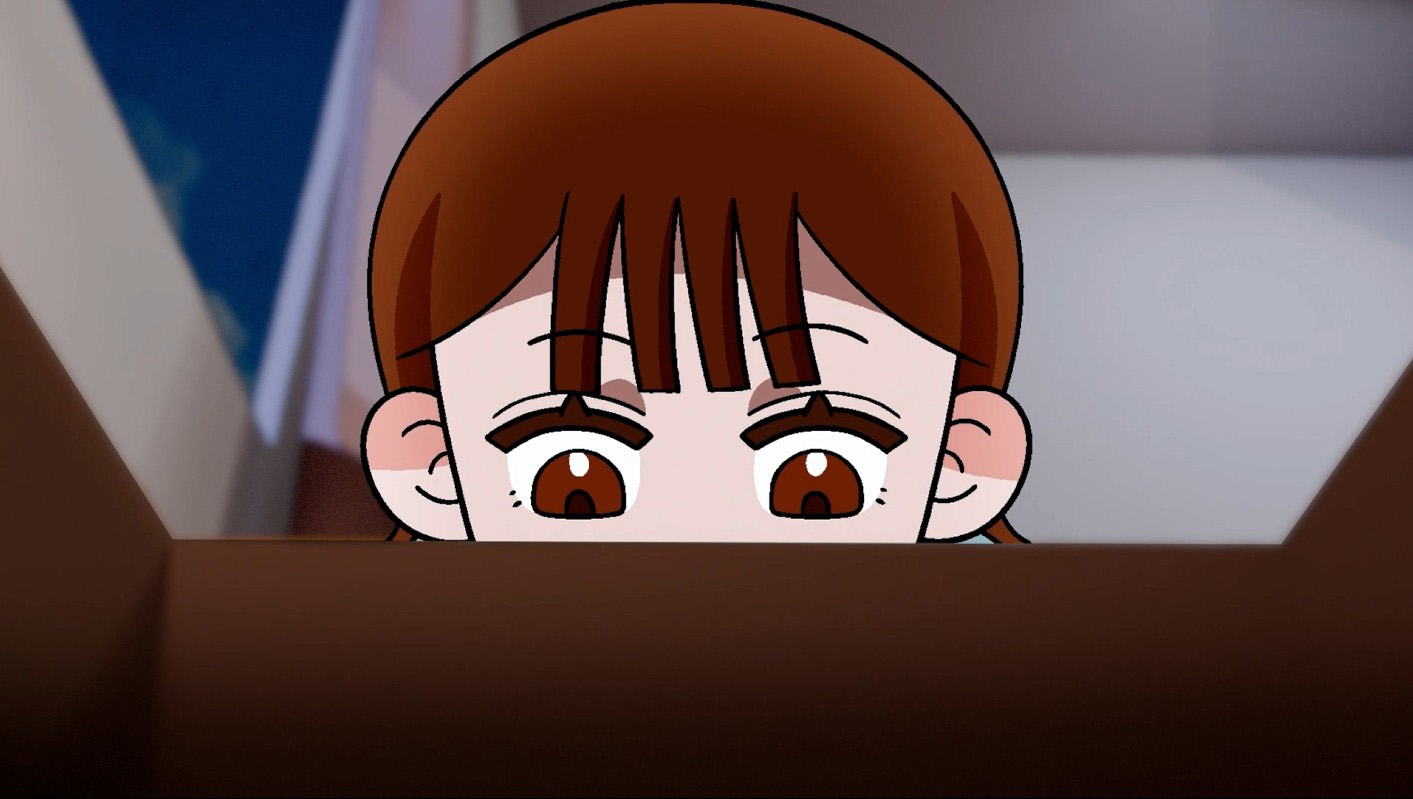
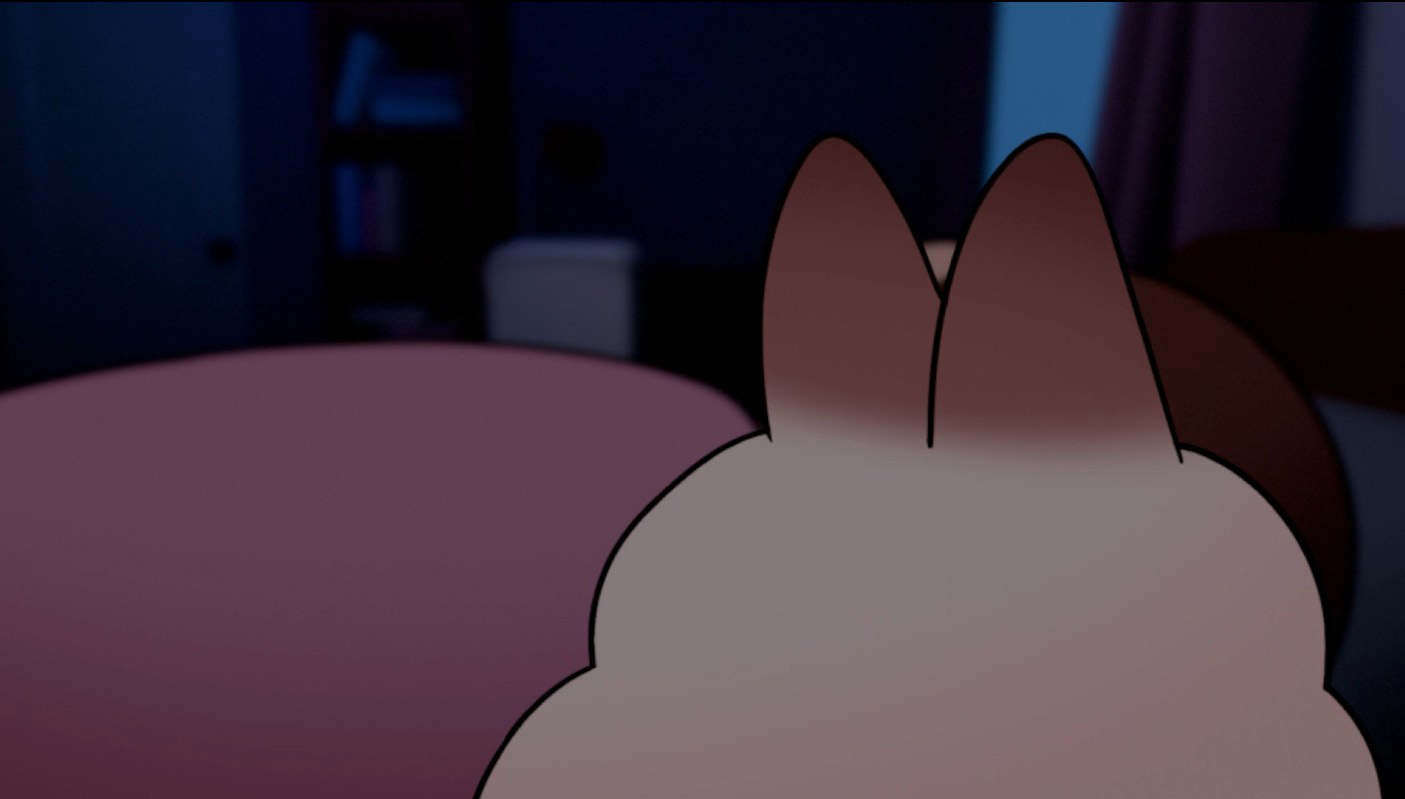
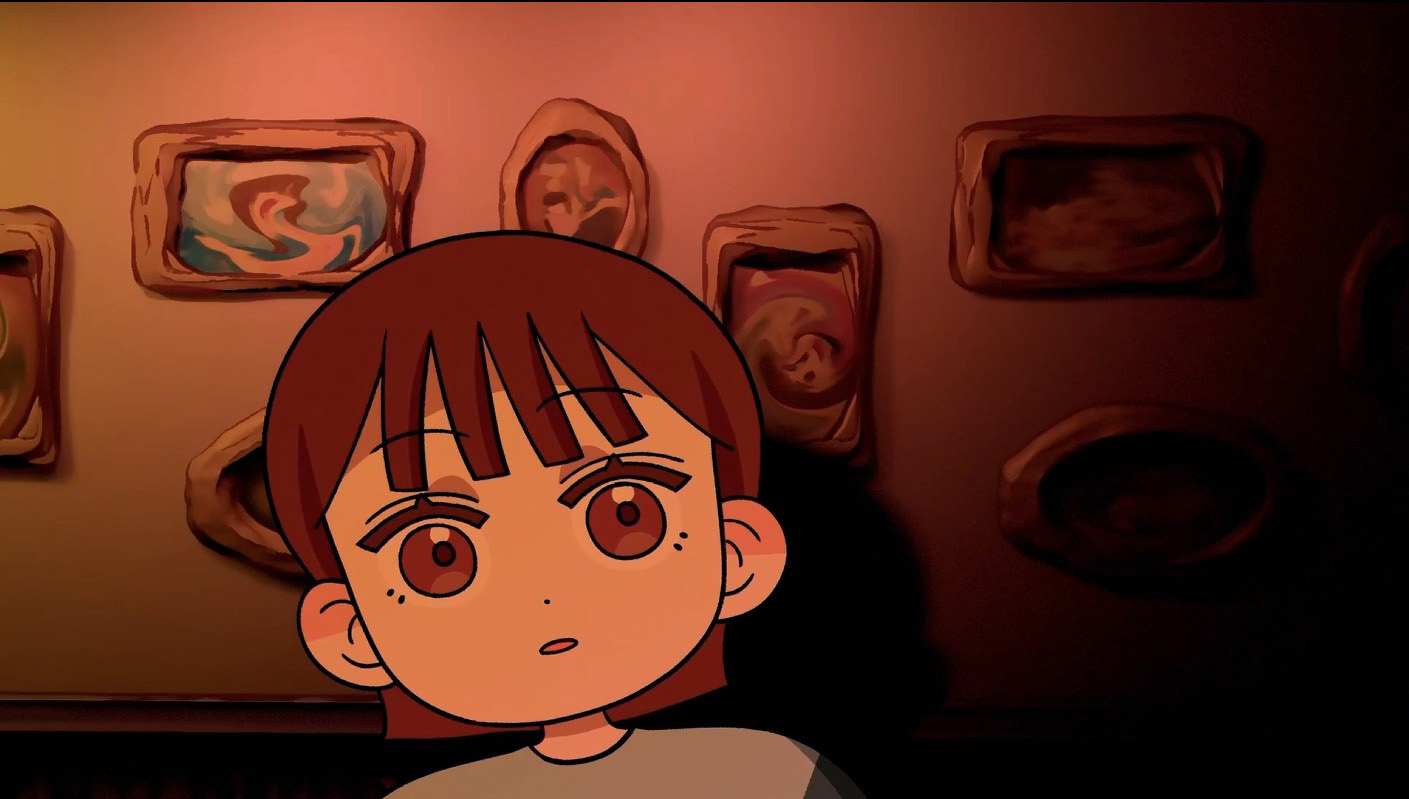
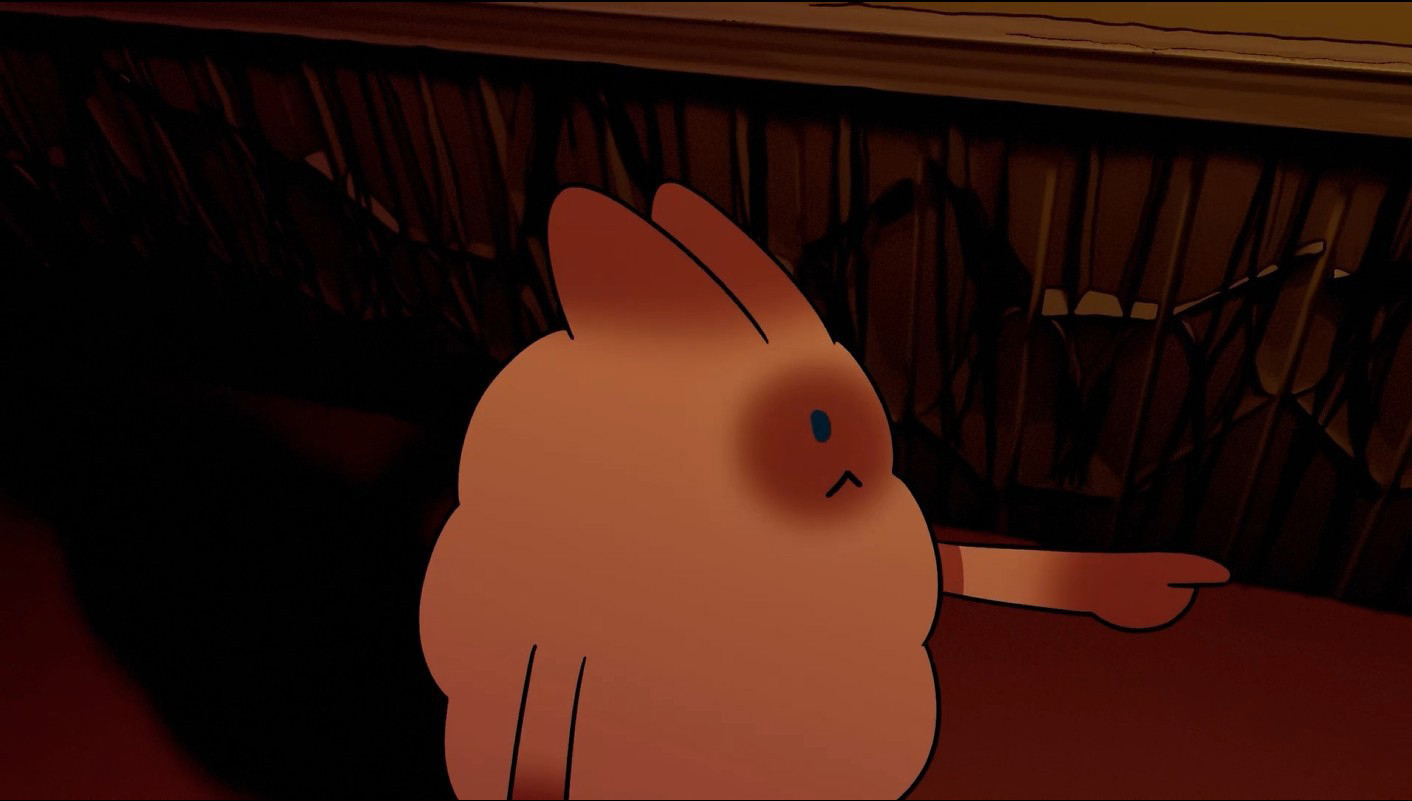
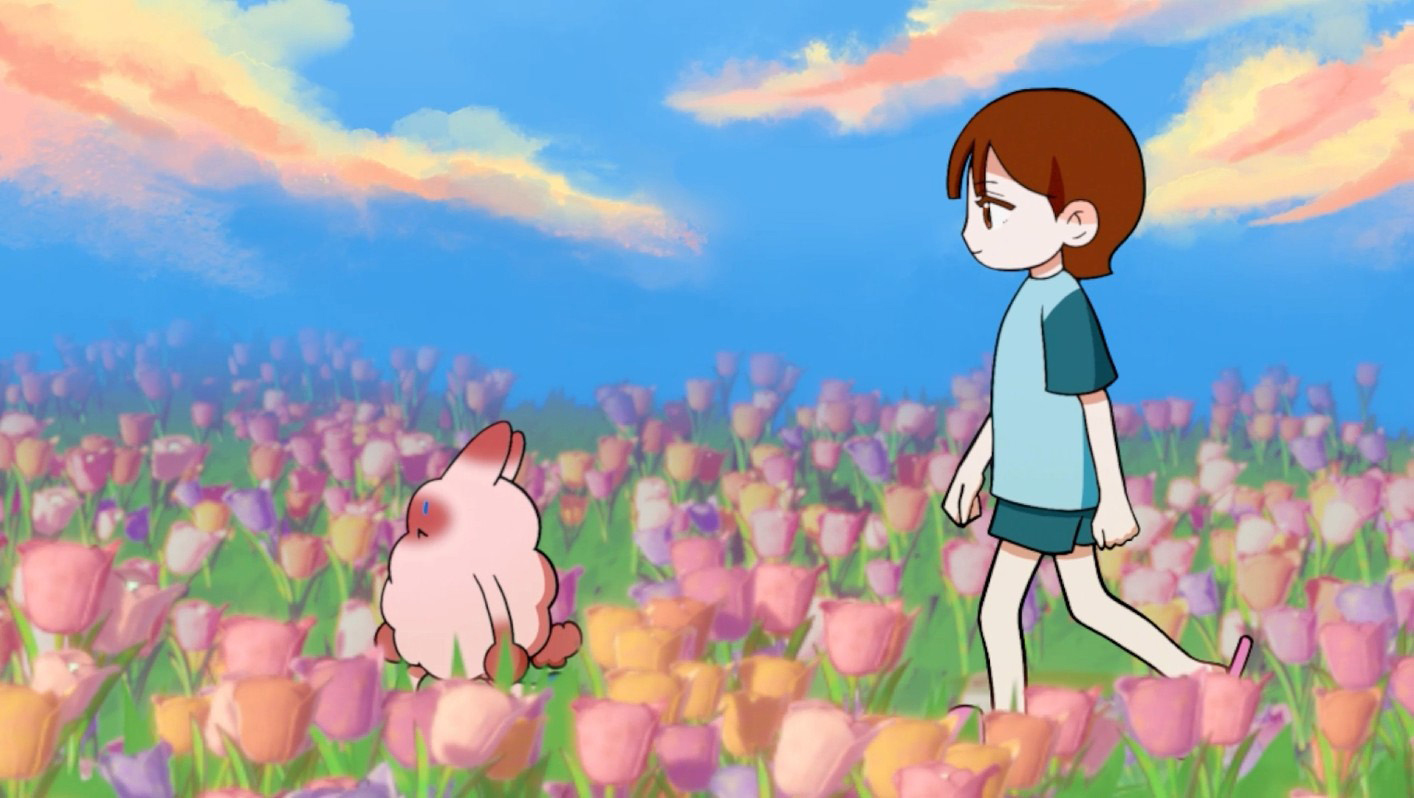
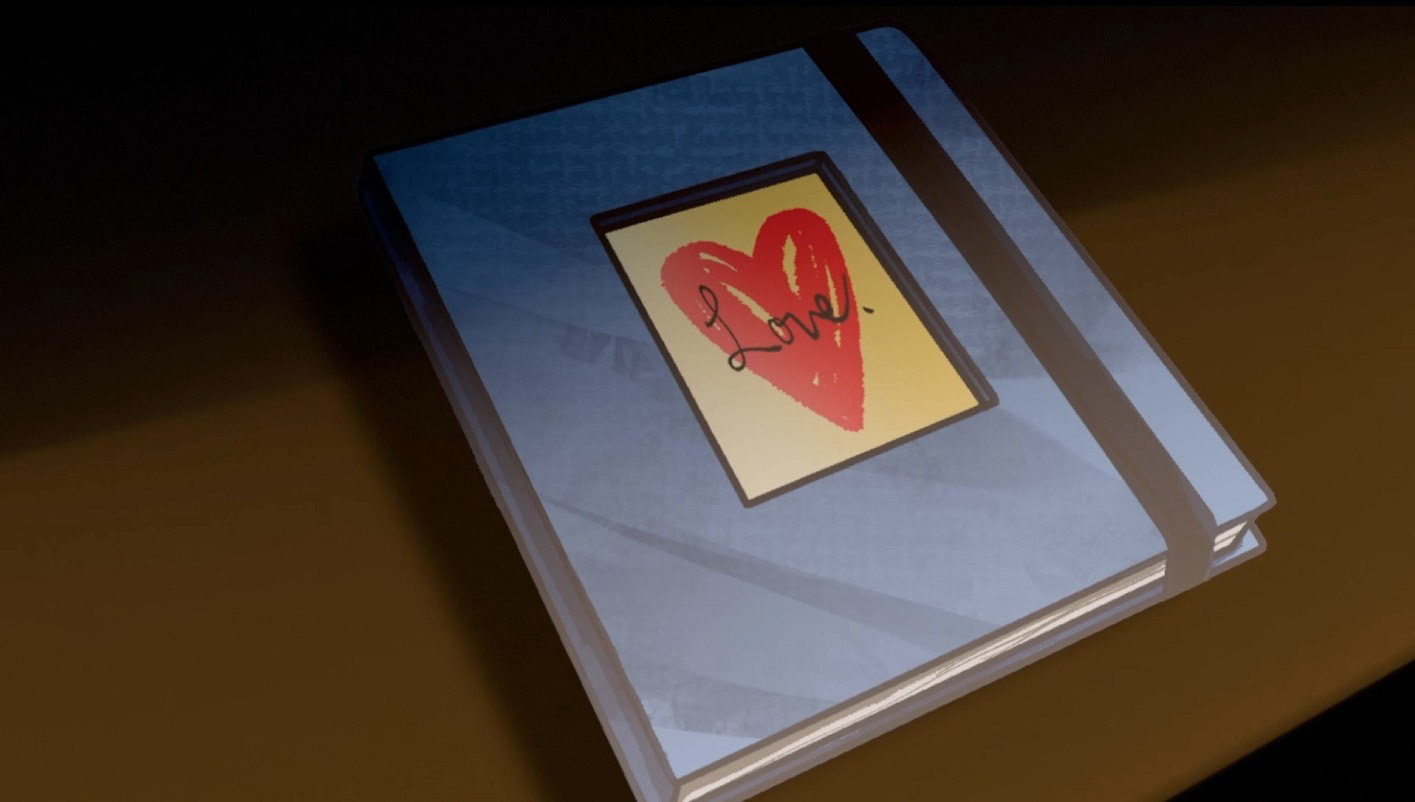
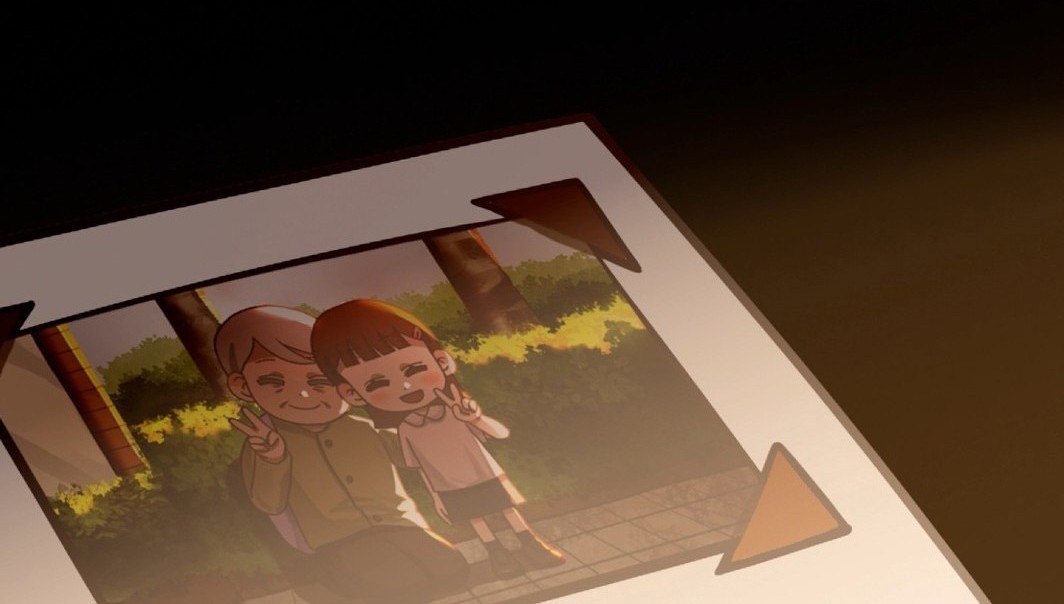
我們聚焦在「悲傷」這個情緒上,將其擬人化,誕生出「寞寞」這個娃娃角色。女孩佳禎已經失去奶奶,佳禎看到曾經的相簿想到奶奶,想起了曾經的心,寞寞如同被呼喚一樣而清醒,而在記憶花田裡,每個關於奶奶的記憶與因奶奶而起的情緒,都是一份奶奶所餘留下的溫度,也是佳禎思念奶奶的證明。
A person’s life is woven from memories and emotions. Sadness never truly vanishes, nor does happiness. The joy we once felt can, at certain moments, become the strength that carries us forward—like a lingering warmth held gently within our hearts.
Sadness is universal. We accept, forget, or embrace it. But when it resurfaces, how do we react? If sadness were a doll, what would it feel? Would it wish for our happiness? We believe it would, for sadness is born of love. It is not merely pain; it proves we once cherished something deeply. Happy memories do not negate the pain; instead, they give that pain a boundary.
We give shape to this emotion through a doll named “Momo.” After losing her grandmother, a girl named Jia-Zhen finds an old photo album. Her memories call Momo to awaken. In the field of memories, every emotion is the warmth her grandmother left behind—the proof of Jia-Zhen's enduring love.