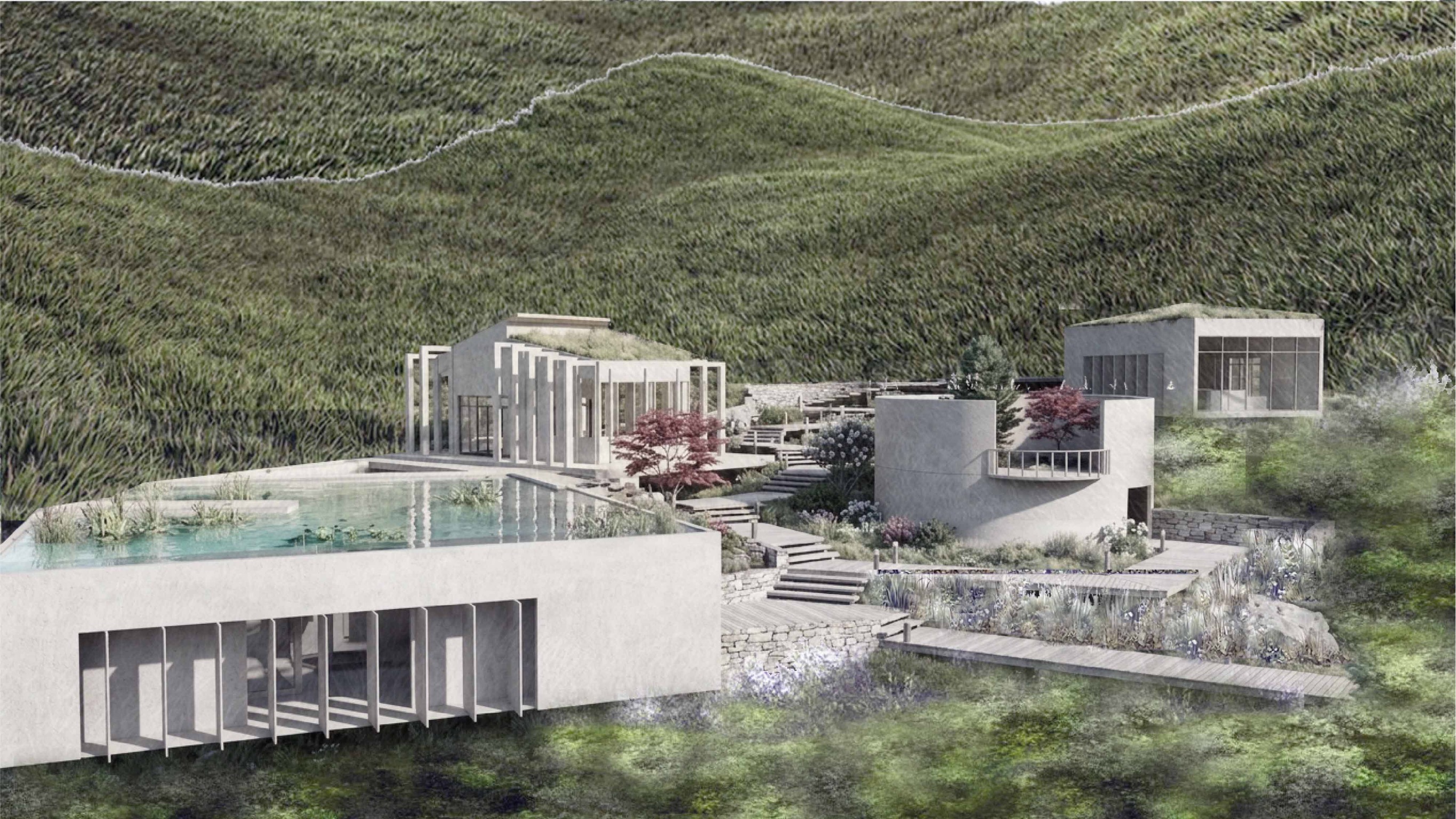
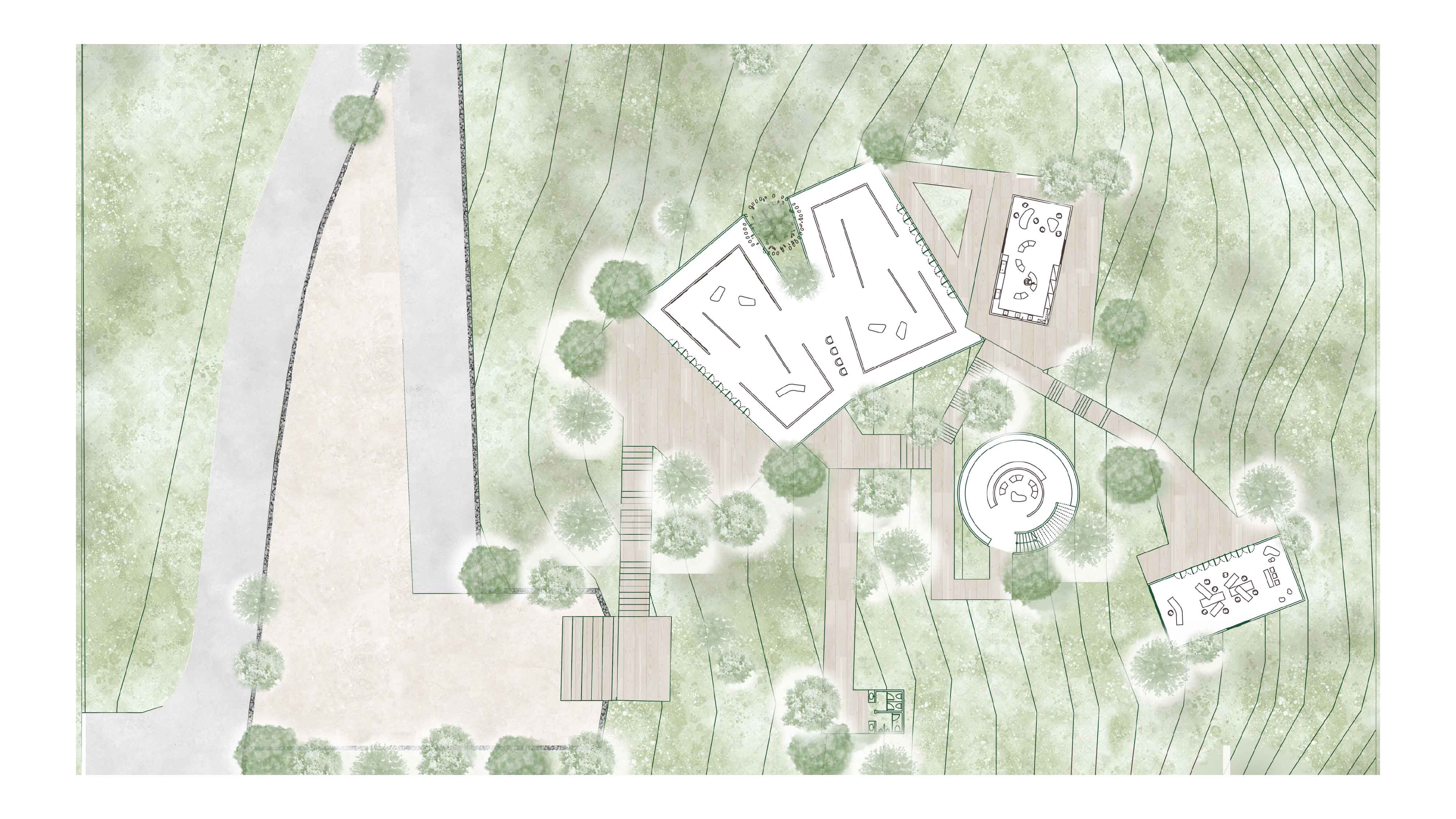
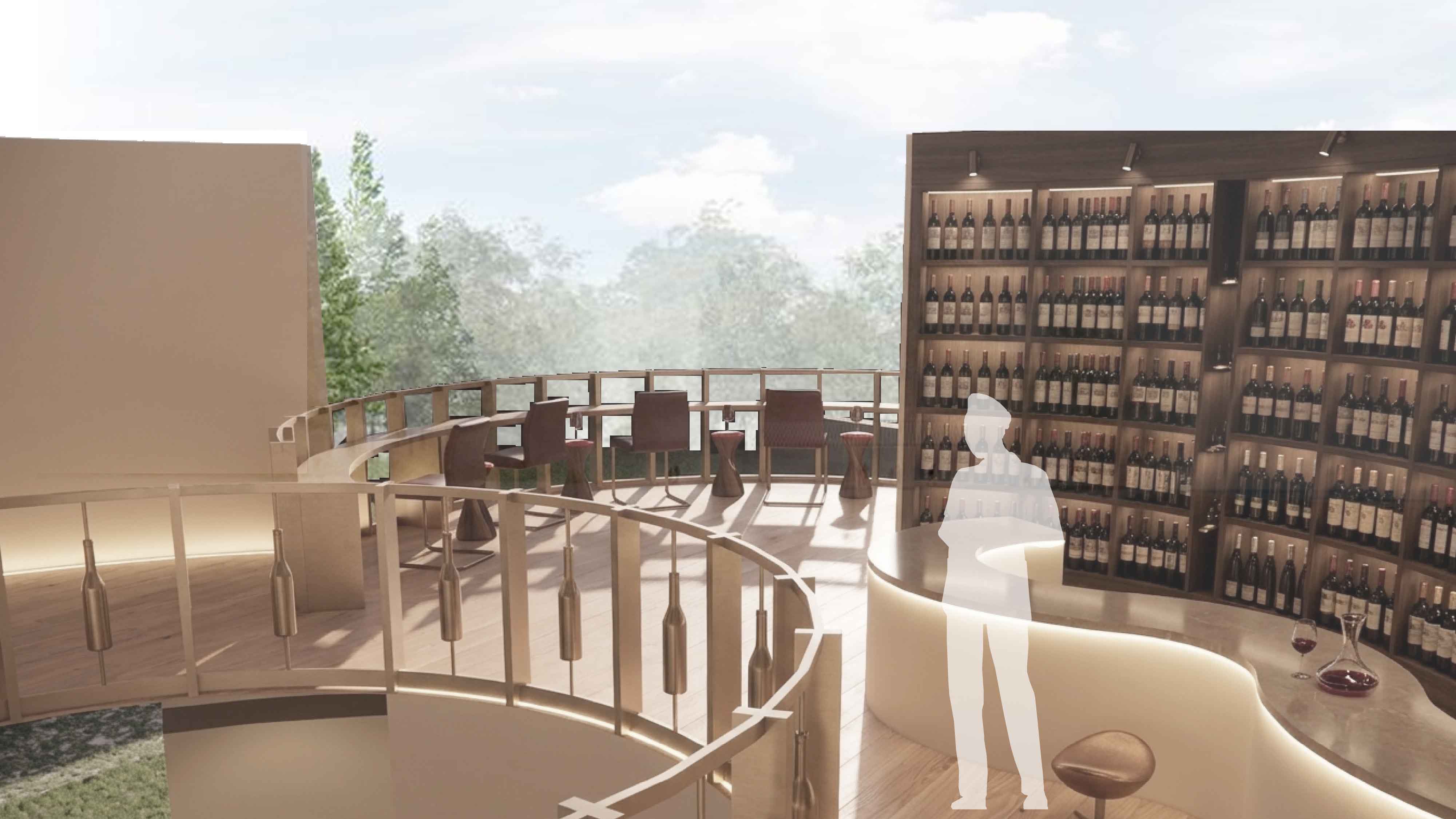
過去,這裡不僅是一處觀光景點,更是居民日常生活的重要場所,人們在湖畔散步、停留與交流,形成充滿生活氣息的公共場域。然而隨著觀光政策的發展,空間逐漸轉向商業導向,原本以生活為核心的使用方式慢慢被取代,湖畔的公共性與地方日常也逐漸淡去。 在這片看似平靜的地景之中,地方仍流傳著關於「七星穴」的傳說。這些隱藏於山林與地形之間的節點,使鯉魚潭不僅是一處自然風景,更形成一種潛藏於地景之中的文化秩序。山體、湖面與林地所構成的地貌關係,使人在行走於山徑與湖畔之間時,視線隨著地形的起伏與路徑轉折而不斷改變,風景也在不同視角之中被重新理解與感知。 因此,本設計將基地設於鯉魚潭東北側的山坳地形之上,在不過度干擾既有地景的前提下,利用地勢較高且視野開闊的條件,使人們在真正抵達湖畔之前,便能先透過空間與視線感知鯉魚潭的整體地景。設計以七星穴的地貌意象與地方故事作為轉化基礎,並結合對應七星穴的視野軸線,生成一系列串聯山林與湖景的觀景步道與平台系統。透過行走、停留與轉折所形成的空間序列,引導人逐步進入不同尺度與方向的觀看關係,使鯉魚潭的山、湖與原野在移動的過程中層層展開,形成一種結合地景閱讀與空間體驗的場域。
Liyu Lake was once a vibrant place of daily life and social interaction. Surrounded by mountains, its lakeside weaves water and fields into layered landscapes, where people walked and gathered, forming a public realm. With tourism-driven development, everyday life and public use gradually declined.
The legend of the “Seven Star Caves” persists, hidden in the terrain, suggesting a cultural order. Moving along paths and the lakeshore, views shift with topography, letting the landscape be reinterpreted through movement.
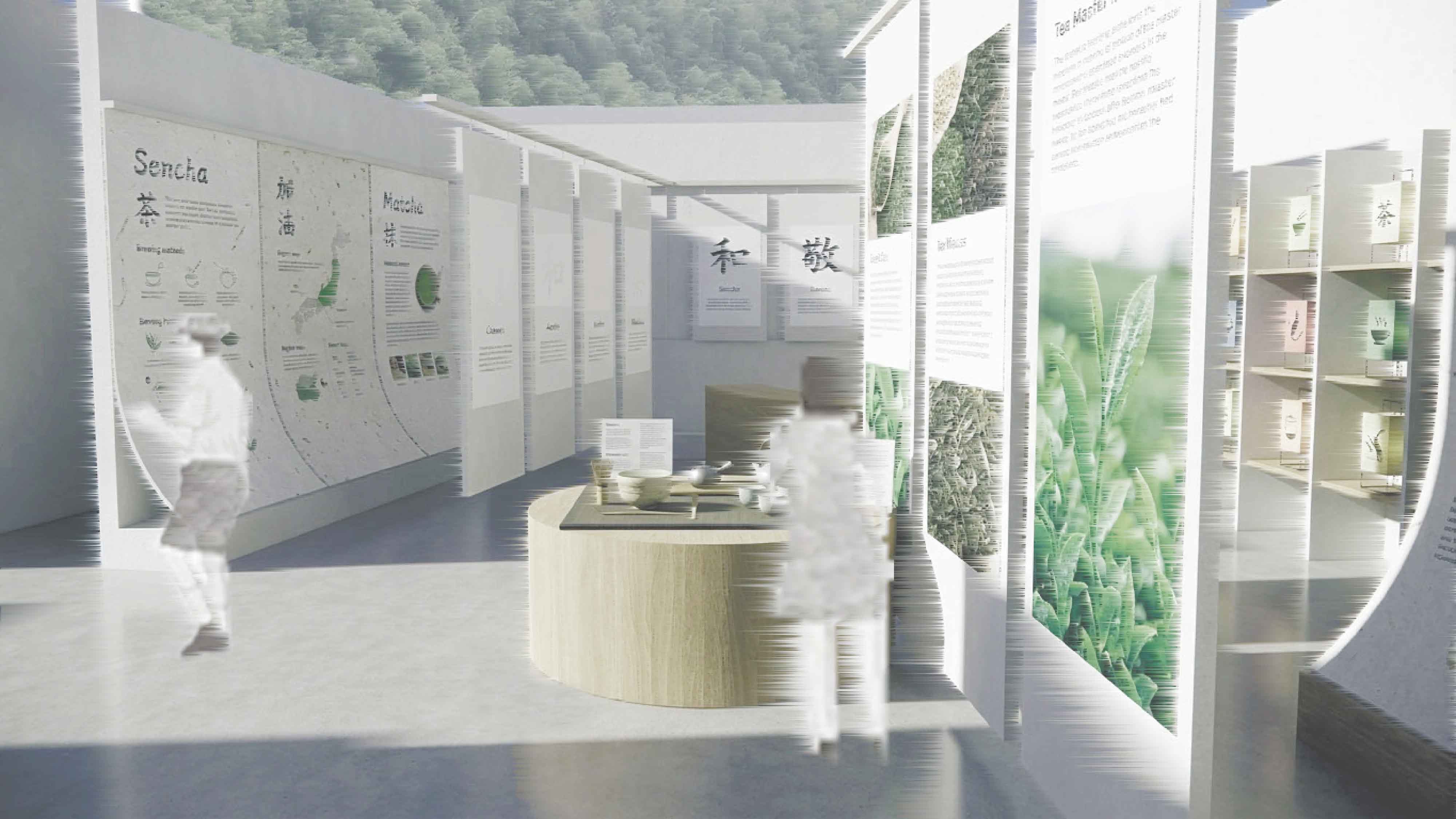
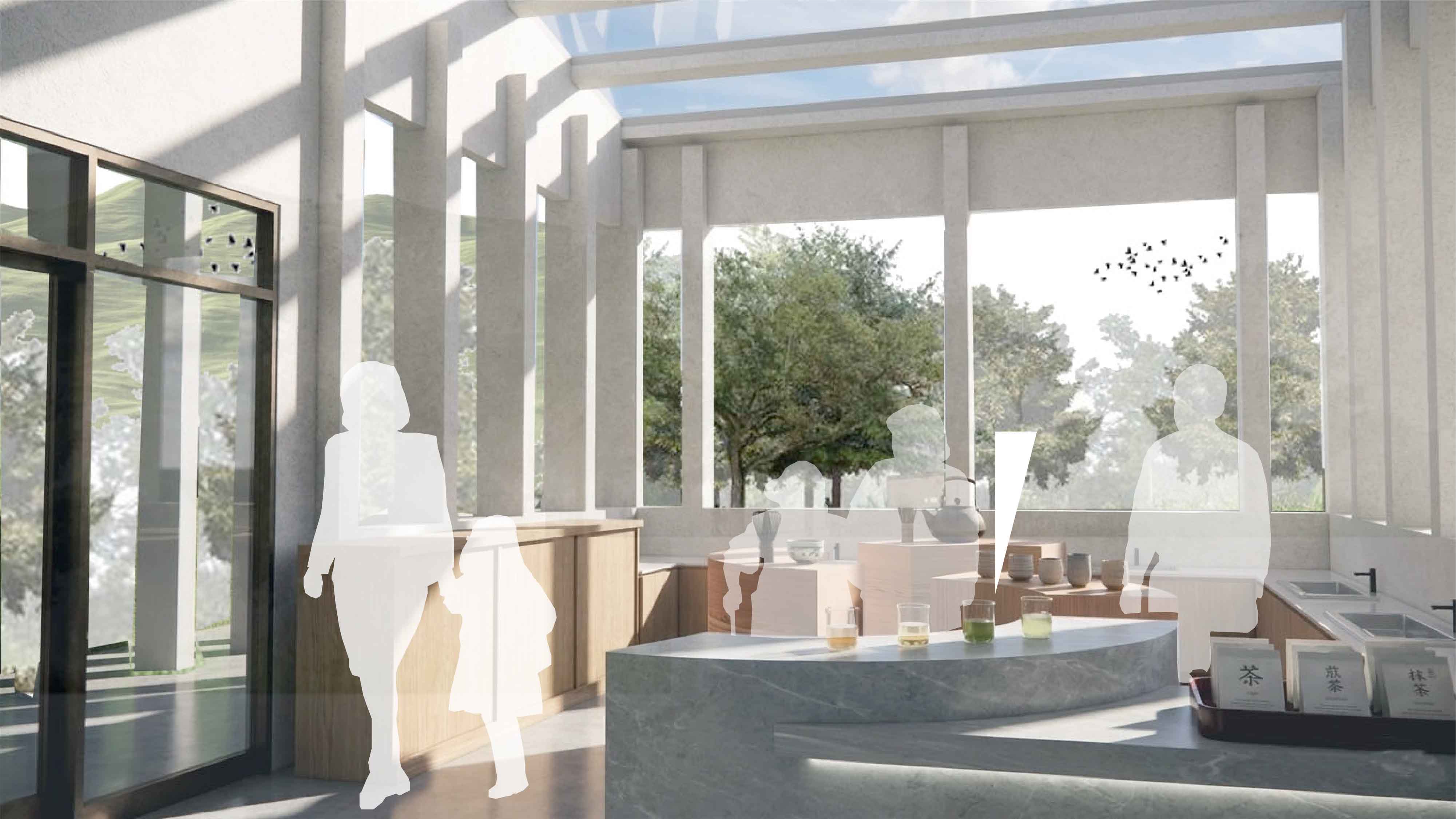
This project, located in a northeastern mountain hollow, uses elevation and open views without disturbing the terrain, allowing visitors to perceive the whole landscape before reaching the shore. Drawing from the caves’ imagery and visual axes, pathways and viewing platforms connect forest and lake. Through walking and turning, the design creates layered experiences, reconnecting landscape with everyday life.