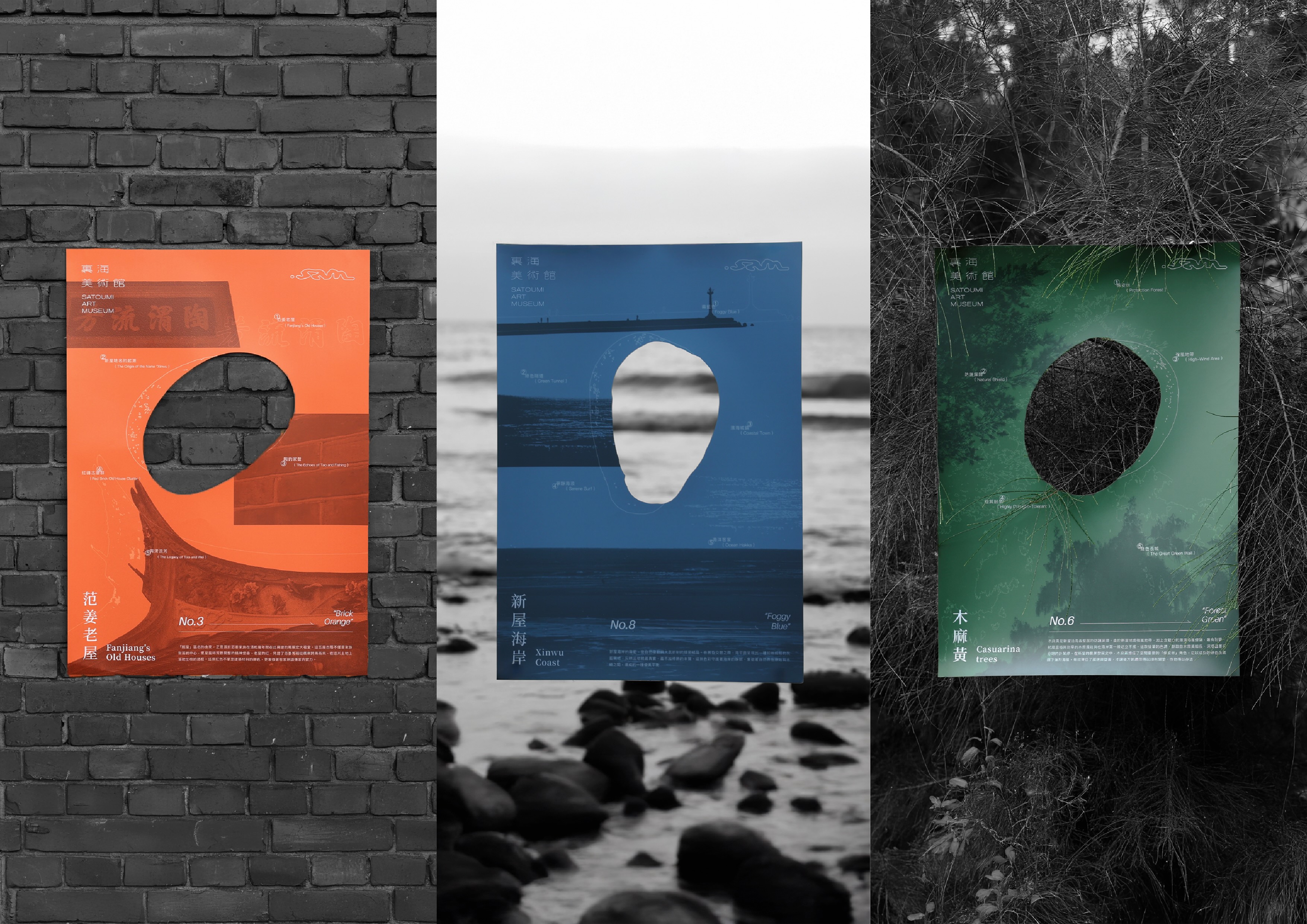
我們計畫在新屋的海岸線上構築一座永續運行的美術館。
展廳佇立於延綿的石滬群上,展品則是人與海洋共生的智慧。
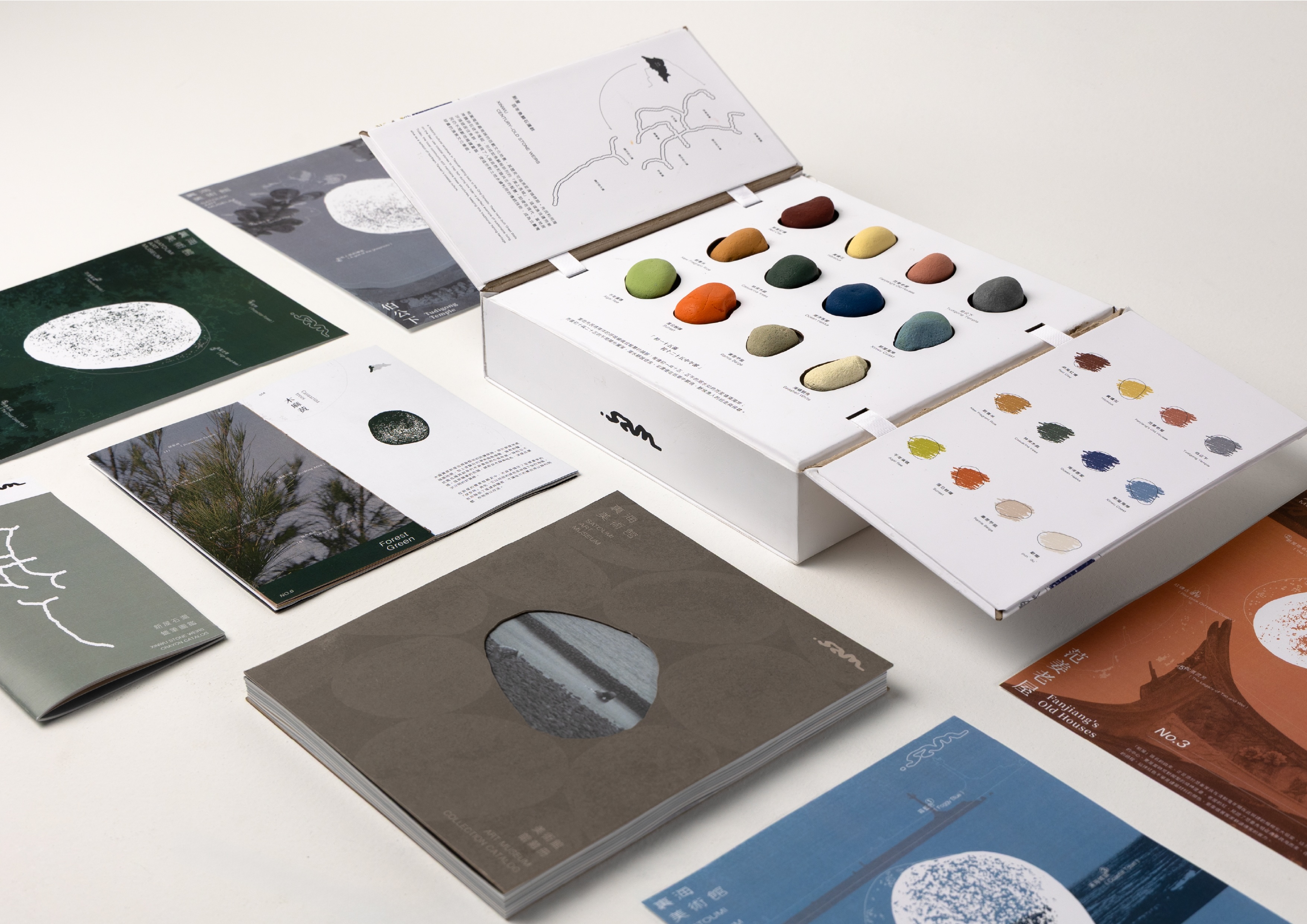
我們以「里海倡議」為核心,將古老的石滬漁法轉譯為自然蠟筆,引領旅行者深度體驗沿海城鎮的色彩與韌性。
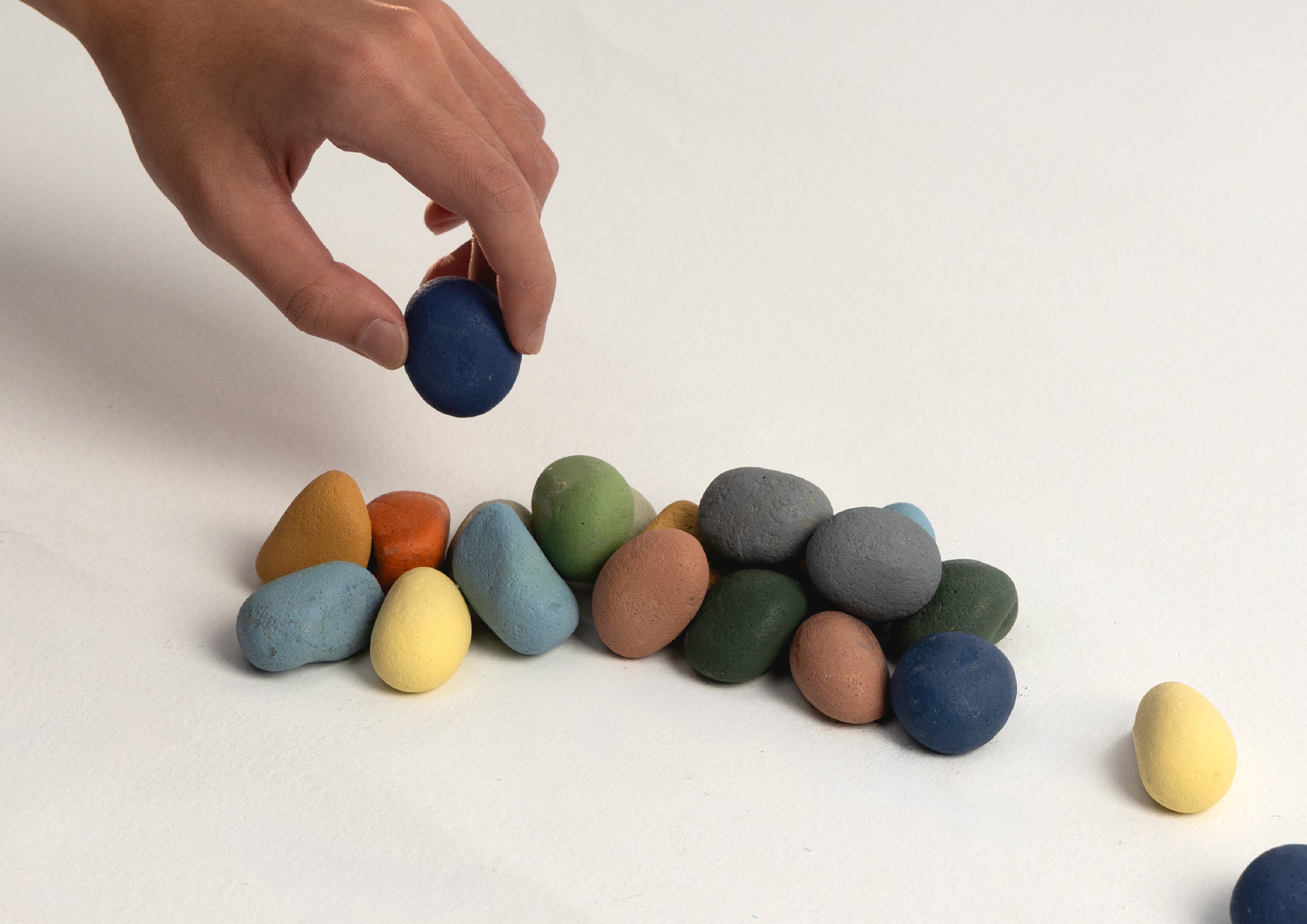
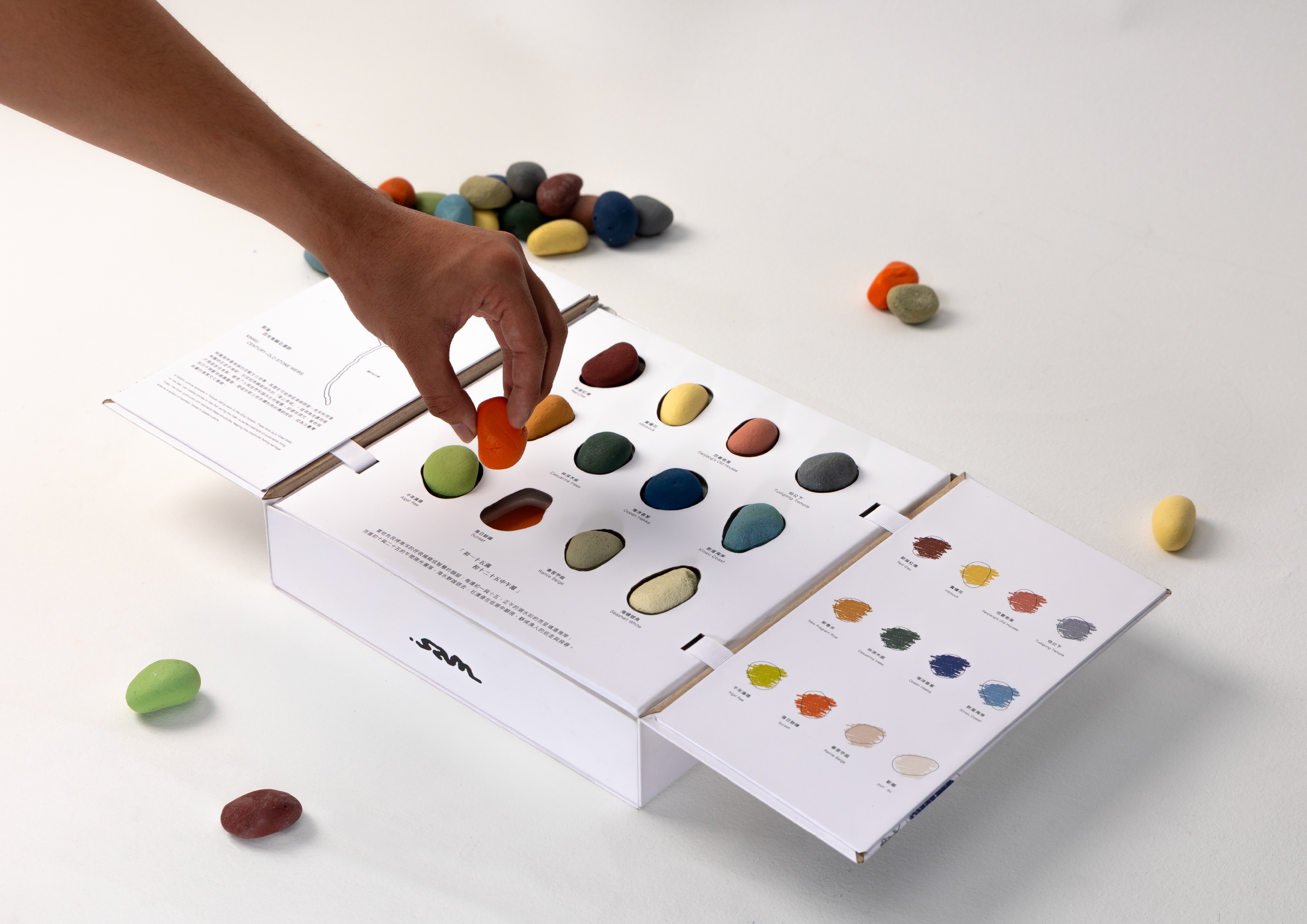
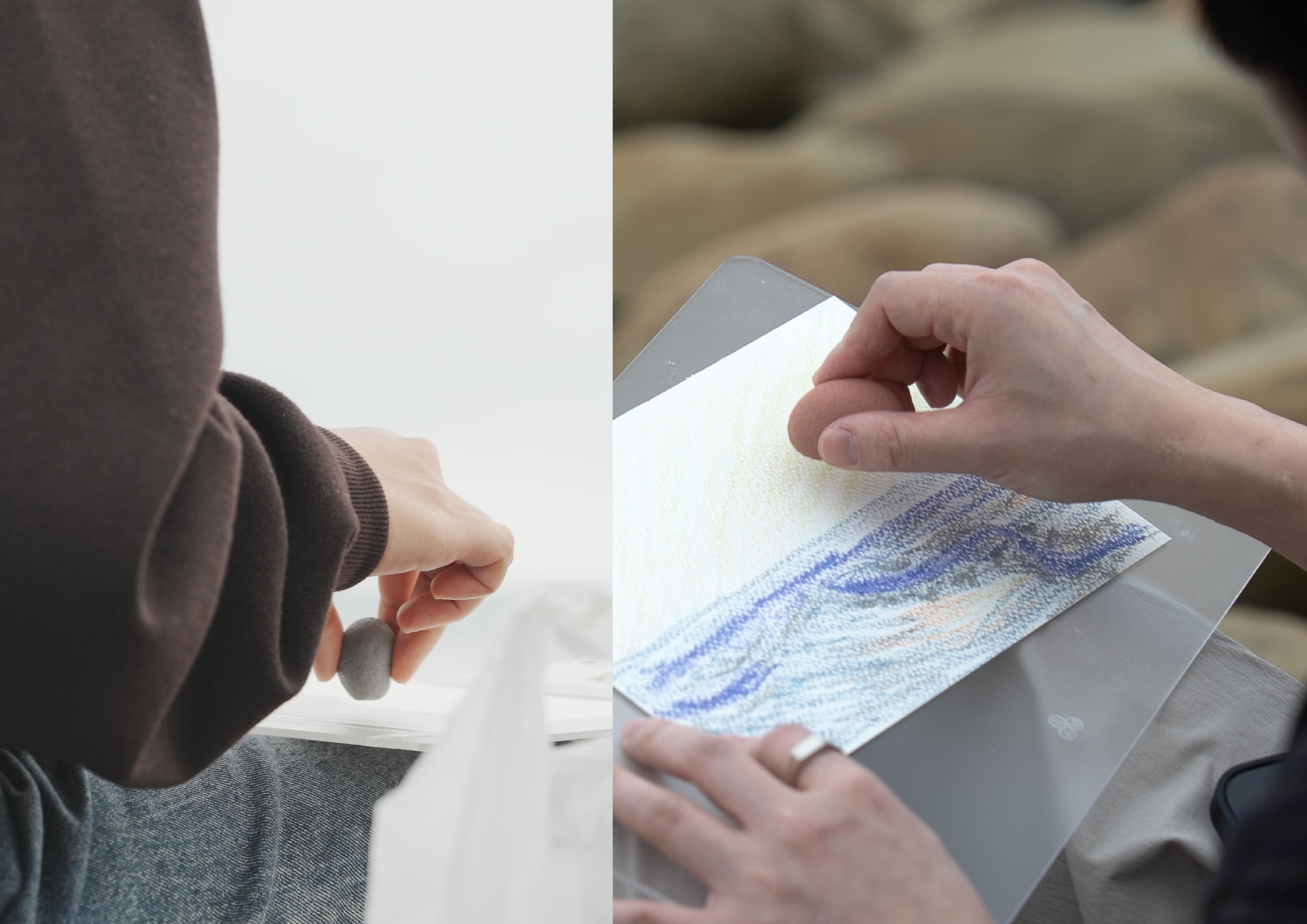
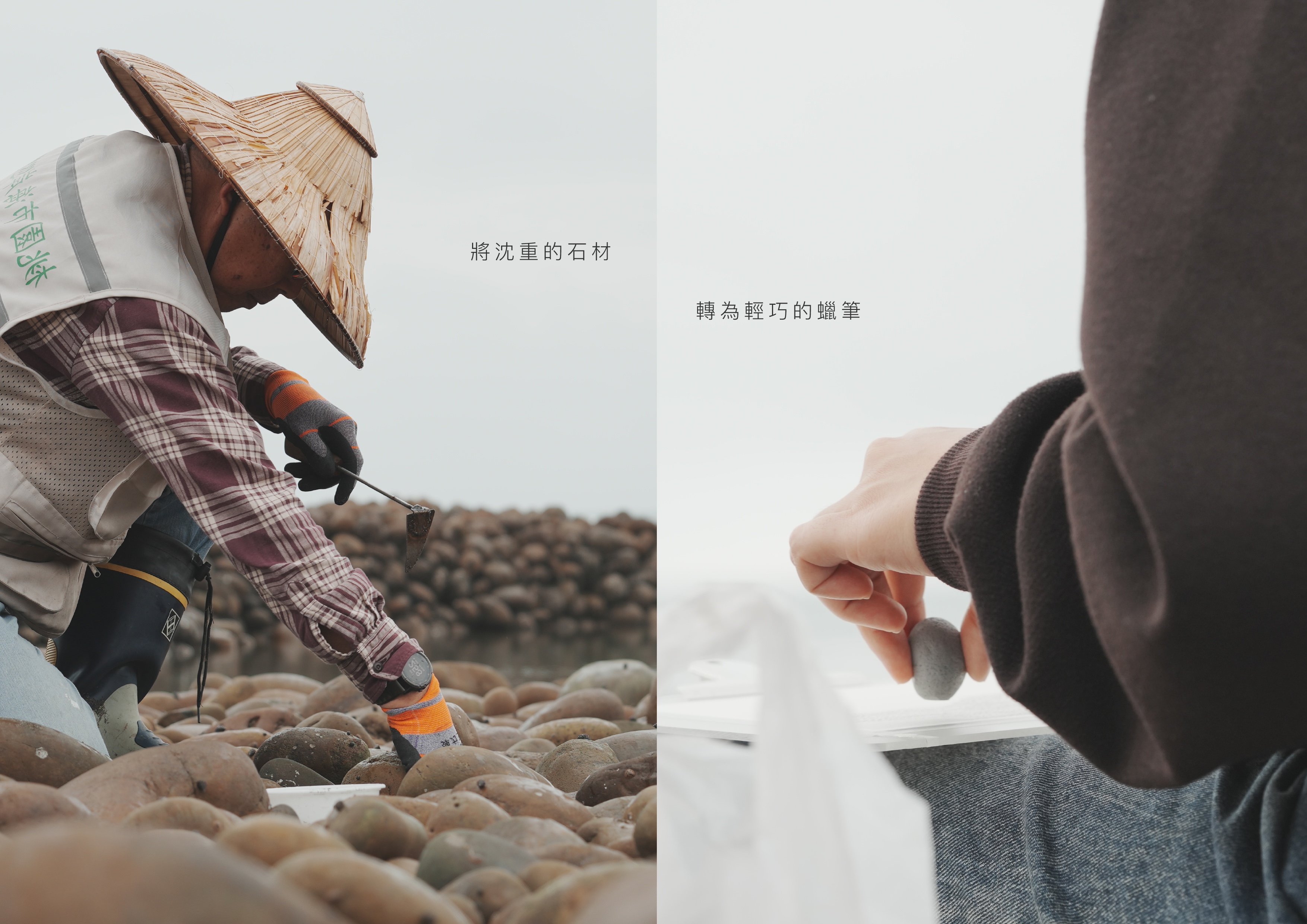
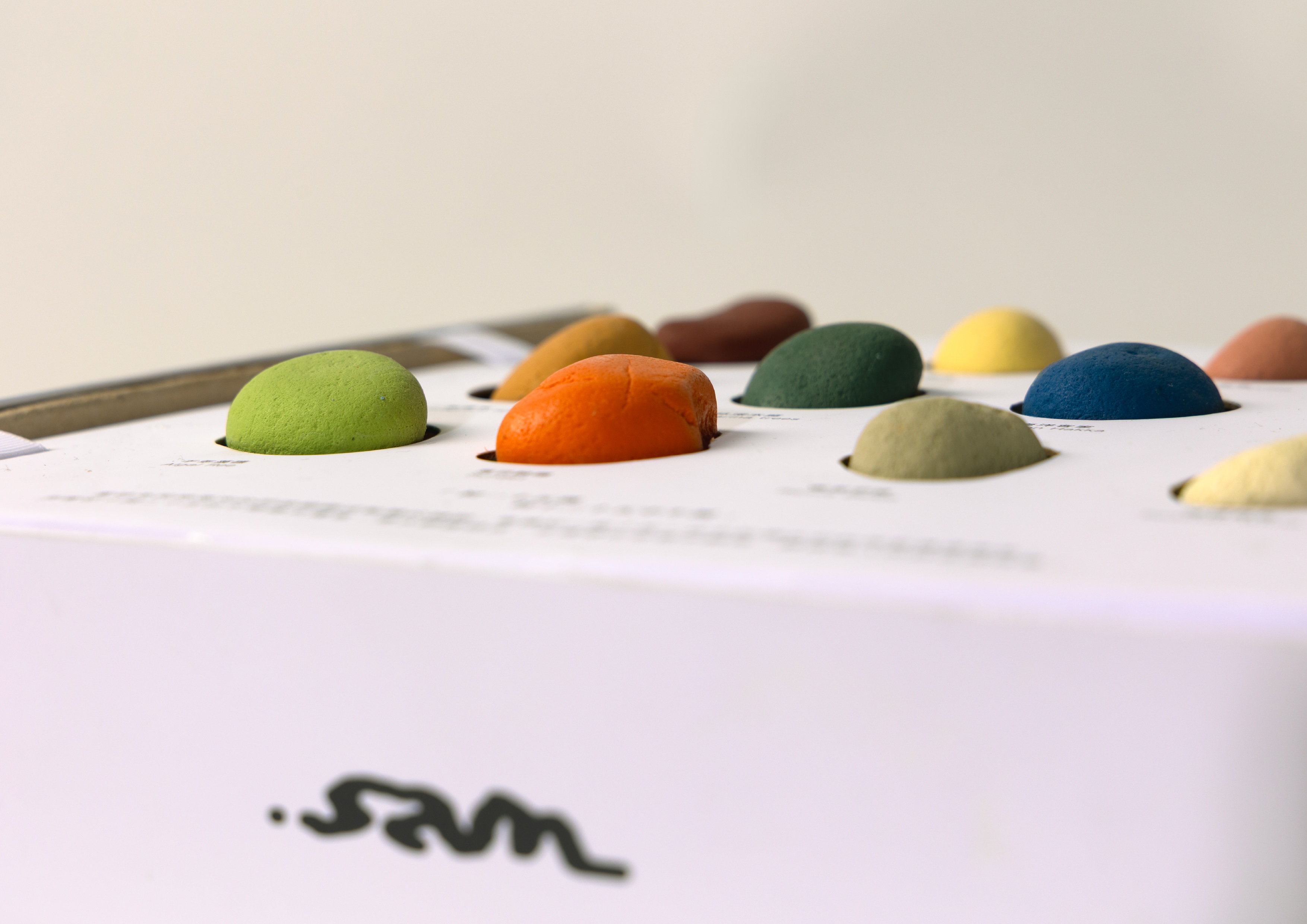
「鵝卵石蠟筆」,是連接土地與當下的載體。不僅是繪畫的媒材,更是承載土地記憶的行動教具。我們將石滬「擋浪亦透水」的防災機能,具象化為蠟筆堆疊時的結構。透過持握、描繪與自由疊合,,讓生硬的防護工法,轉化為可親近的藝術觸碰。
這是一場在地和旅人的集體策展。透過串聯在地石滬協會與創生組織,將體悟具體化為美術館的「館藏作品」。在這裡,旅行者不再只是路過的遊客,而是從觀者晉升為守護環境的「共同策展人」,構築永續的無牆美術館。
Imagine the vast Xinwu coast as a grand gallery under the open sky. Here, the traditional stone weirs—monuments of human ingenuity—are translated into 'natural crayons,' inviting everyone to pick up the colors of the earth.
These crayons are more than just tools for drawing; they are vessels carrying the memory of the tides and the wisdom of the elders. When a traveler holds a stone weir crayon, they are touching the history of the sea. Each sketch made and every insight gained is gathered back into the museum, becoming a cherished 'collection' of our shared journey.
We are not just building a structure; we are fostering a movement. In collaboration with local heritage associations and passionate travelers, we are creating a museum without walls. Centered on the 'Satoyama Initiative,' this project invites you to move beyond the role of a visitor and become a 'co-curator'—a guardian of the coast, documenting the vibrant resilience of our coastal towns together.