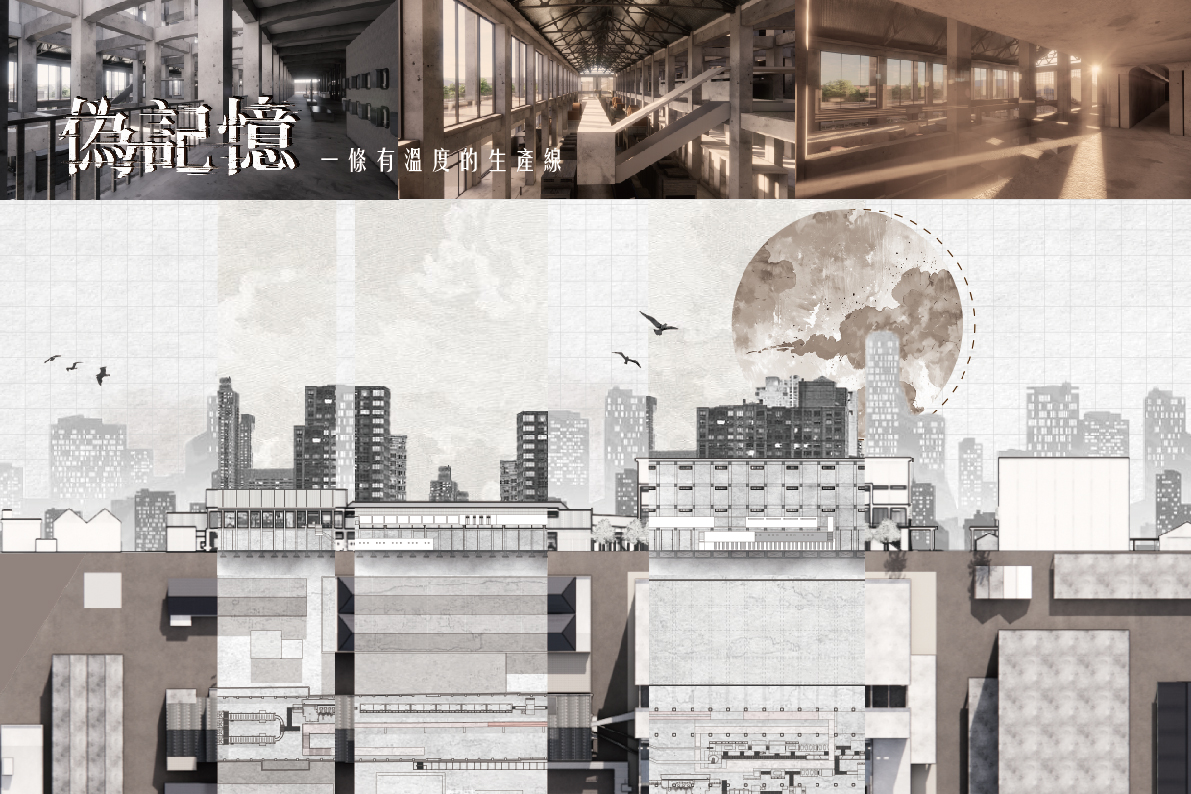
我們的設計動機源自於現代對於舊空間的態度,多以做舊、保留,來重現過去記憶,因此我們開始反思「重構後的記憶還是以前的記憶嗎?」
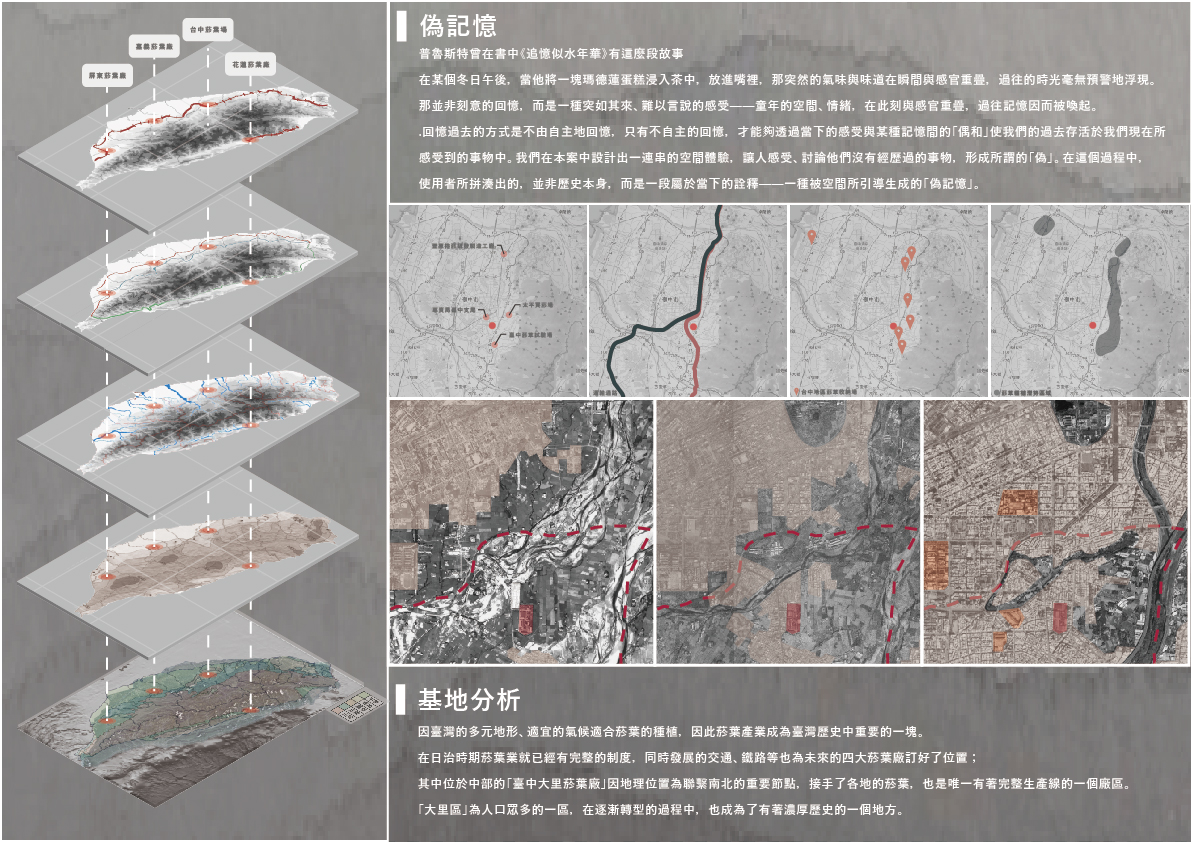
馬塞爾·普魯斯特曾在書中《追憶似水年華》有這麼段故事在某個冬日午後,當他將一塊瑪德蓮蛋糕浸入茶中,放進嘴裡,那突然的氣味與味道在瞬間與感官重疊,過往的時光毫無預警地浮現。那並非刻意的回憶,而是一種突如其來、難以言說的感受——童年的空間、情緒,在此刻與感官重疊,過往記憶因而被喚起。而正是不自主的回憶,才能夠透過當下的感受與某種記憶間的「偶和」使我們的過去存活於我們現在所感受到的事物中。
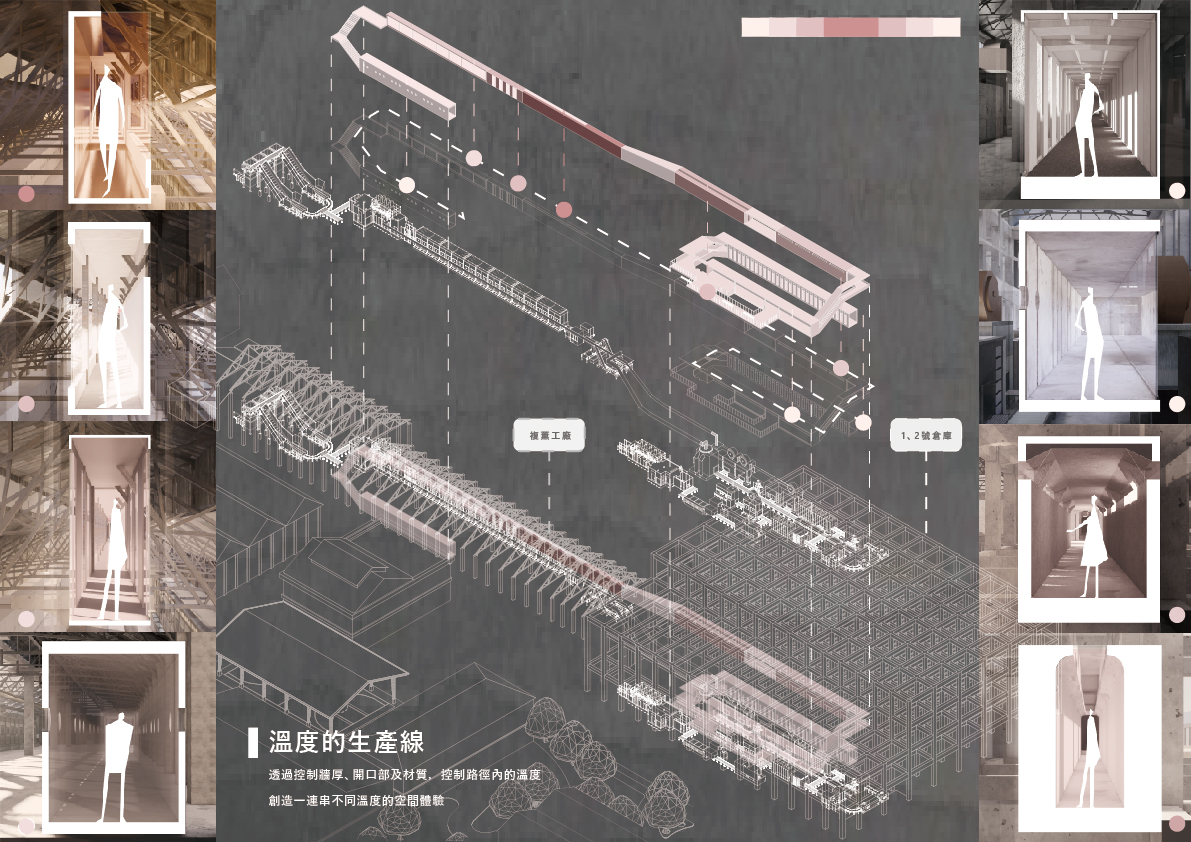
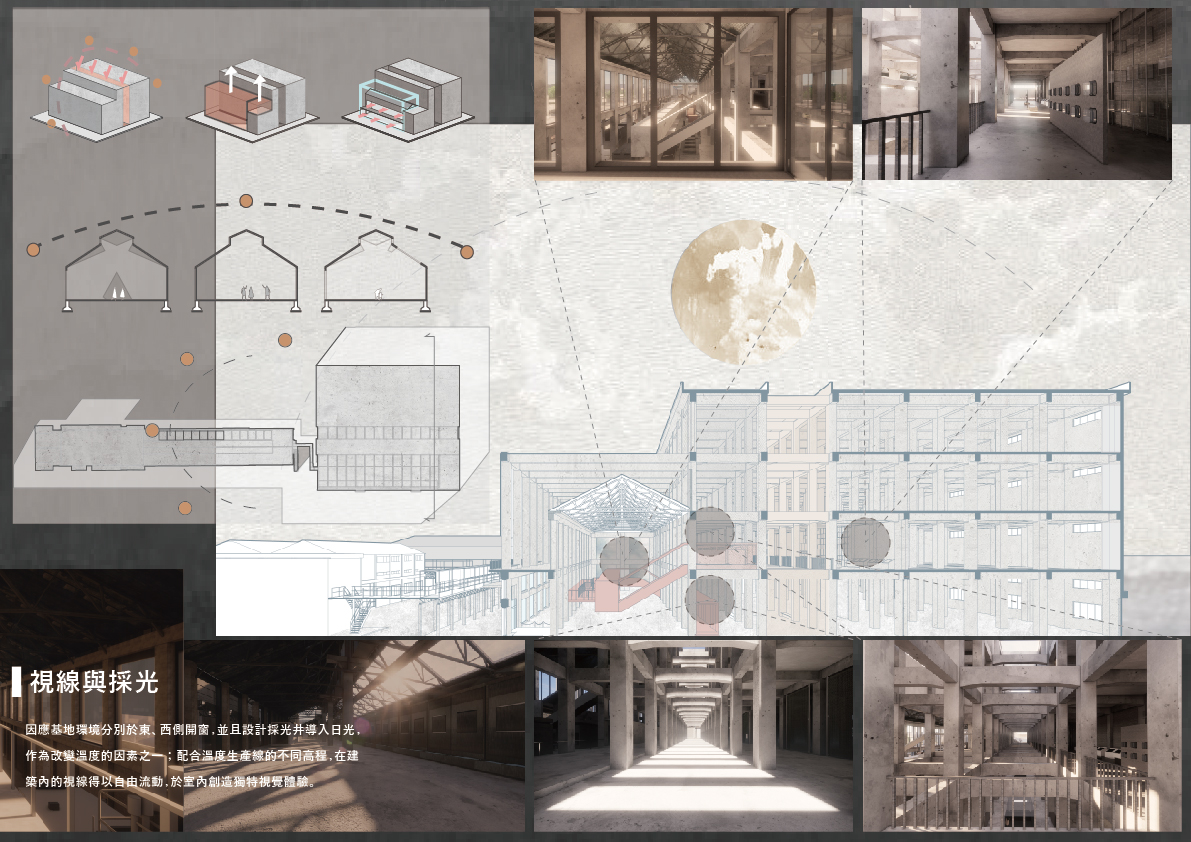
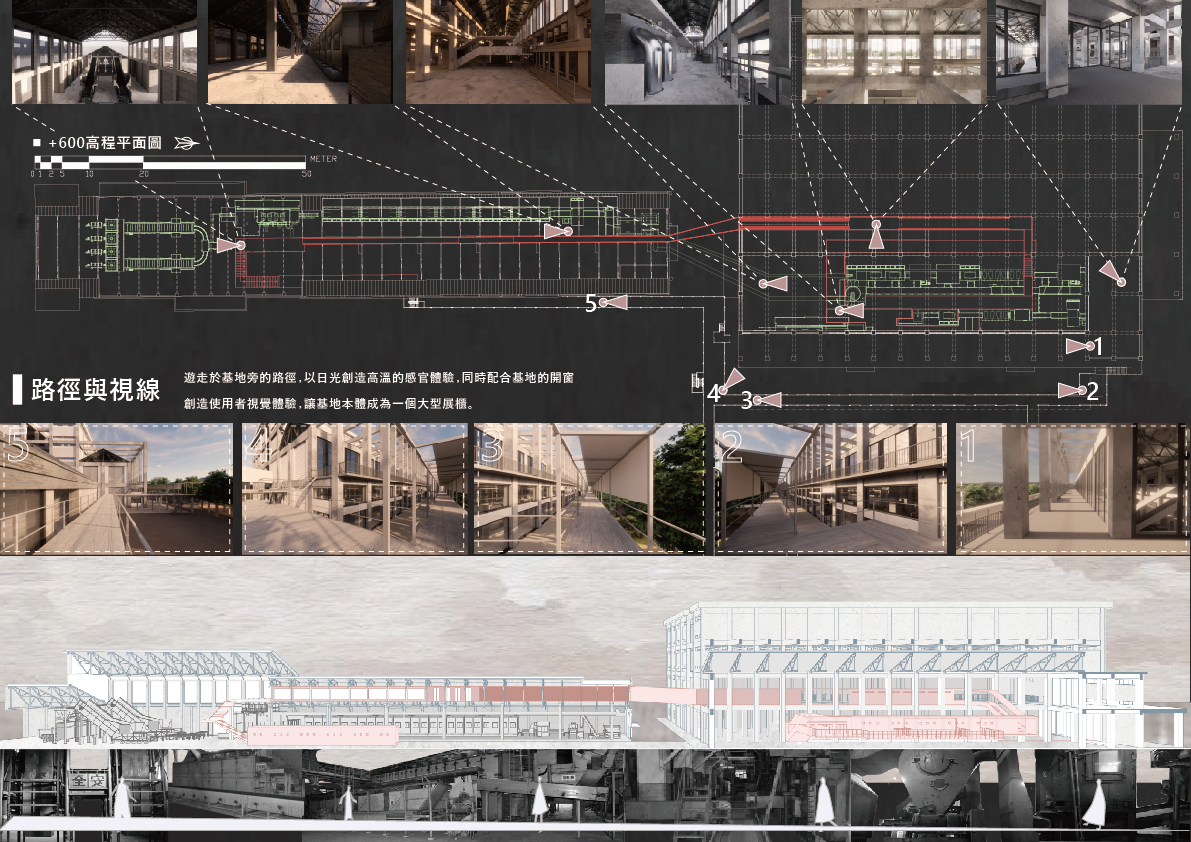
我們試著設計出一連串的空間體驗,讓現代人感受、體驗他們沒有經歷過的事物,透過感官的不斷重疊、建構,來形成我們的「偽」。在這個過程中,使用者所拼湊出的,並非歷史本身,而是一段屬於當下的再詮釋——一種被空間所引導生成的「偽記憶」。
Our design motivation stems from contemporary approaches to old spaces, which often rely on aging or preservation to recreate memories of the past. This raises a key question: when memory is reconstructed, is it still the same memory?
In In Search of Lost Time, Marcel Proust describes a winter afternoon when the taste of a madeleine dipped in tea अचानक evokes vivid memories. This involuntary memory is not intentional recall, but a sudden sensory overlap through which the past re-emerges in the present.
We design a sequence of spatial experiences that allow people to encounter what they have never lived through. Through layered sensory construction, we generate the “pseudo.” What users piece together is not history itself, but a present-day reinterpretation—a “pseudo-memory” shaped and guided by space.