影與光
Shadow and light
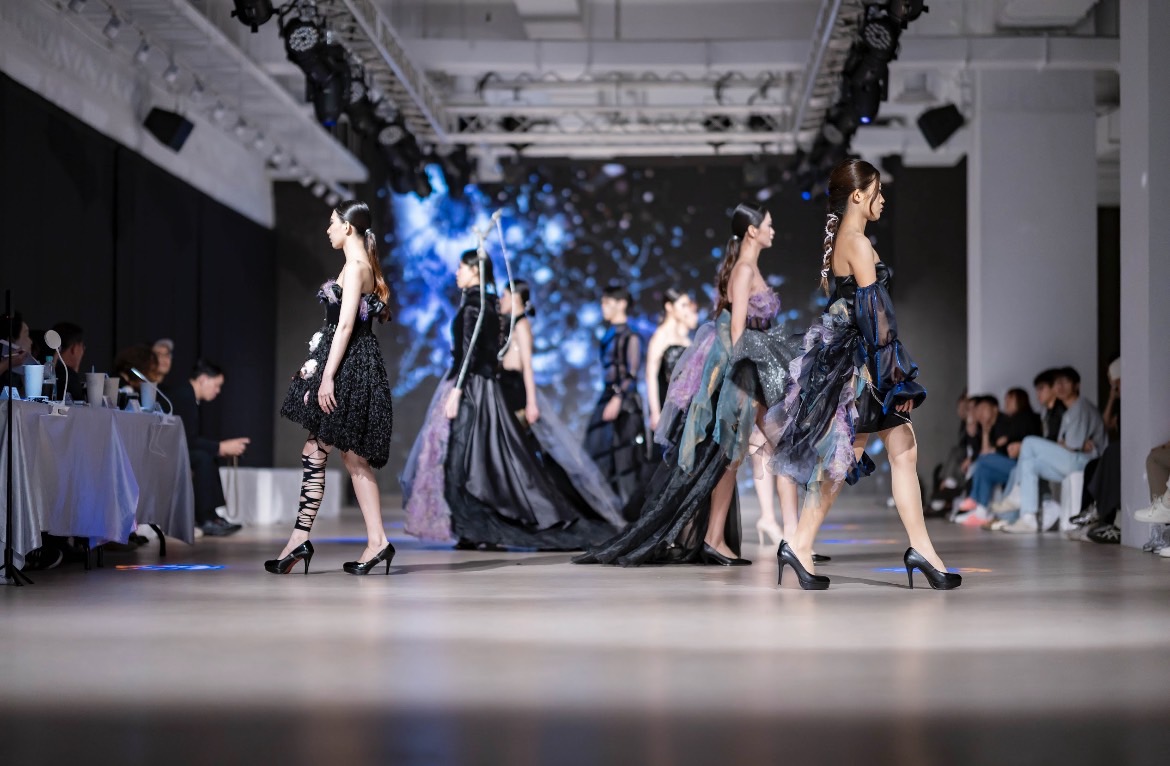
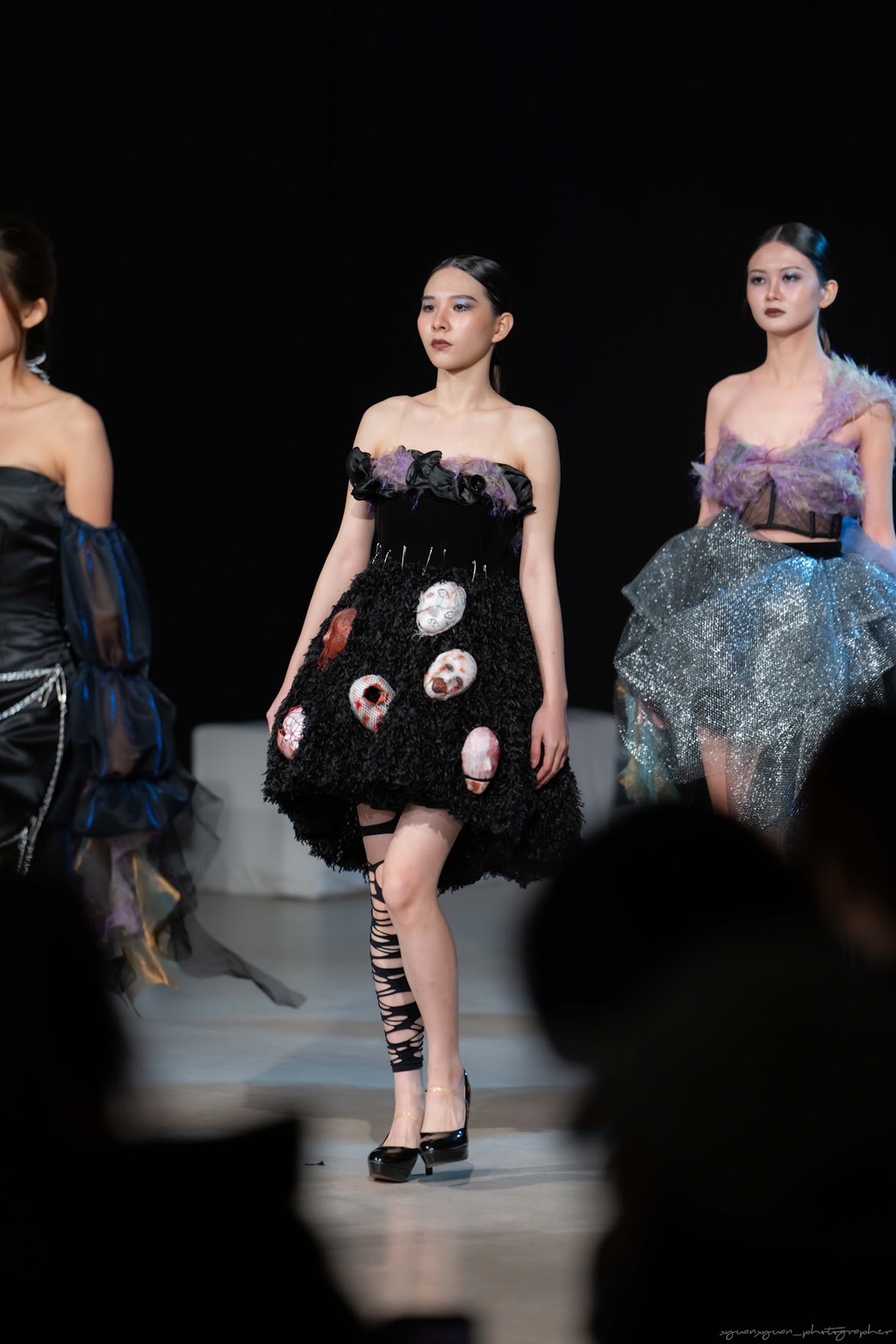
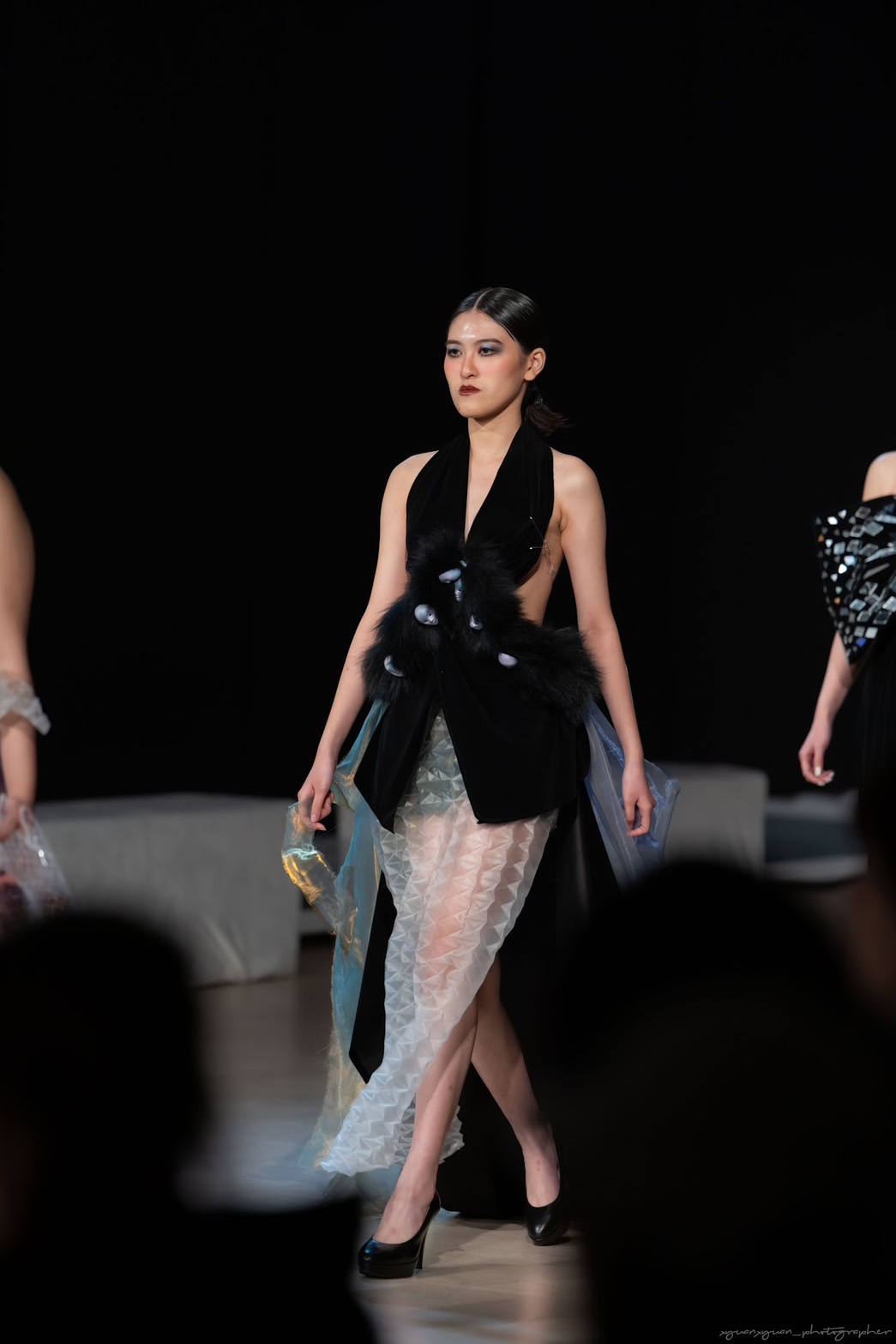
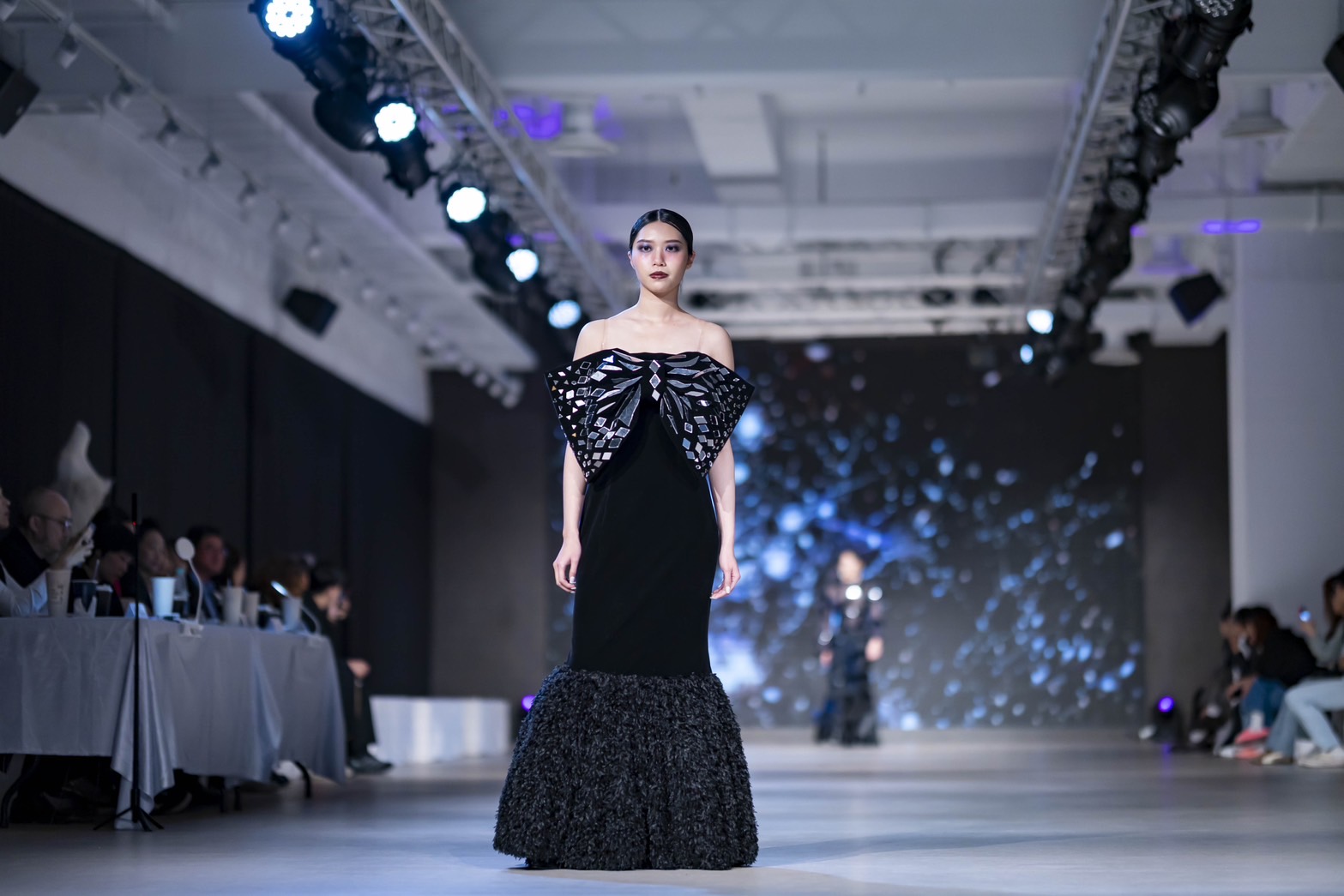
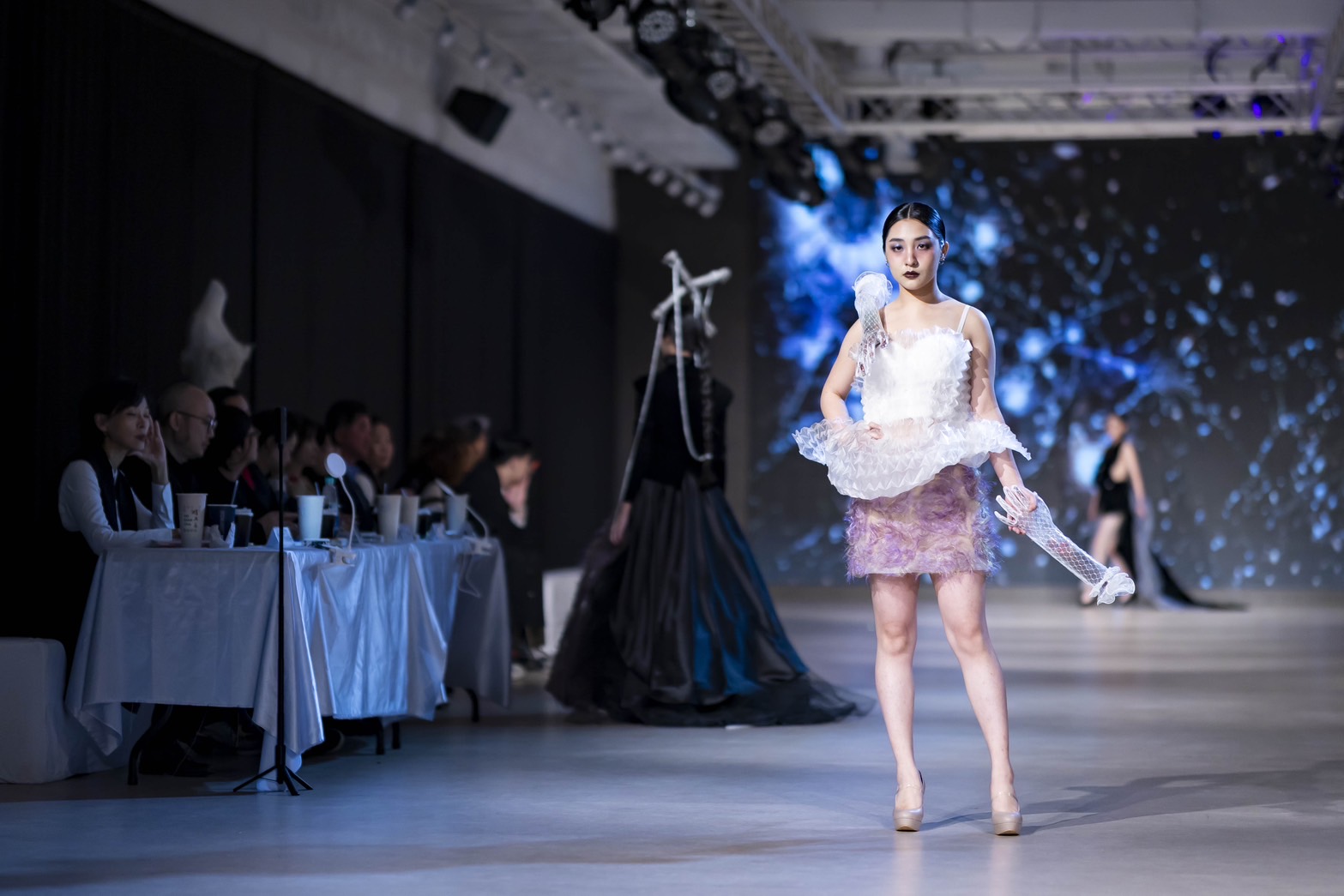
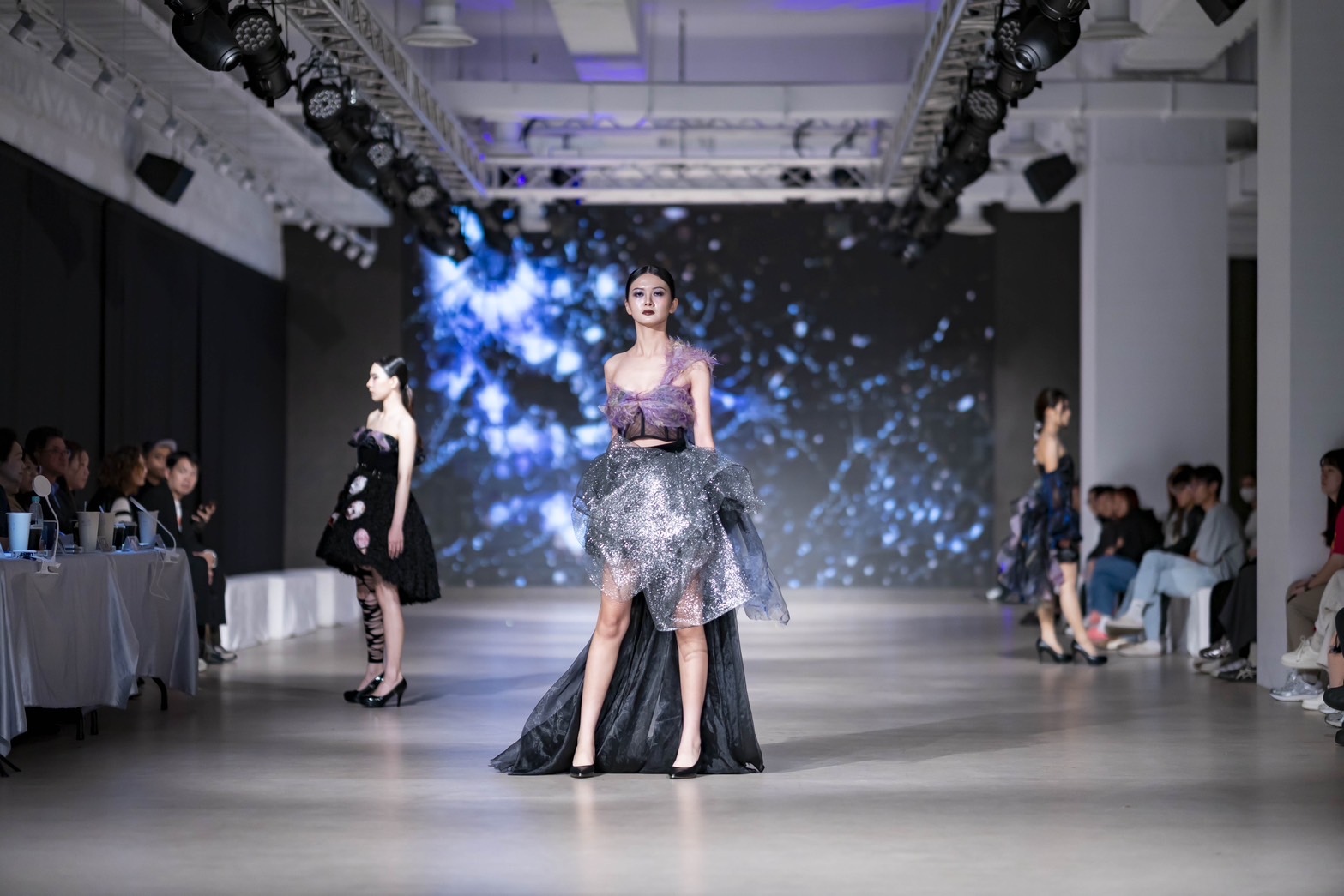
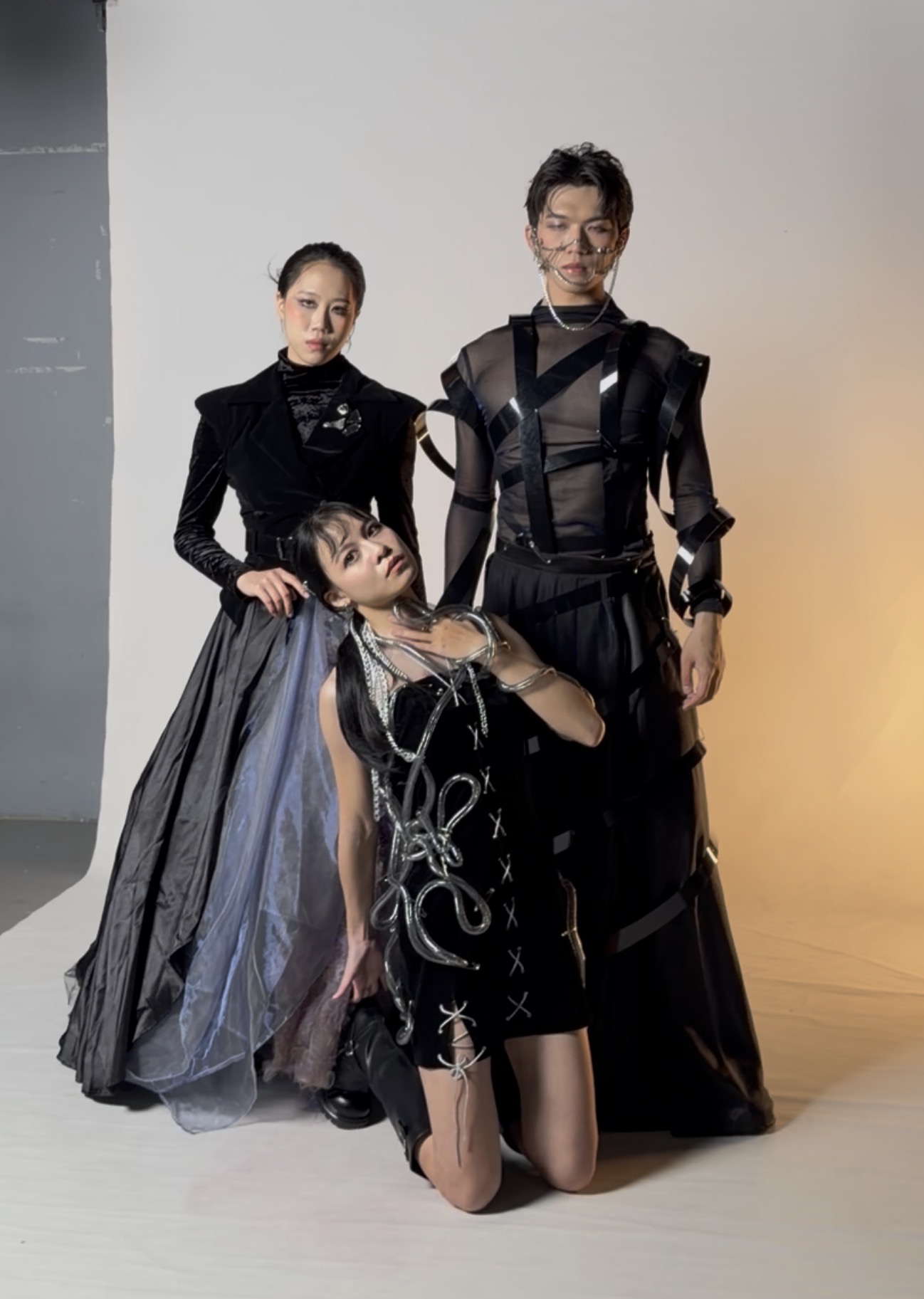
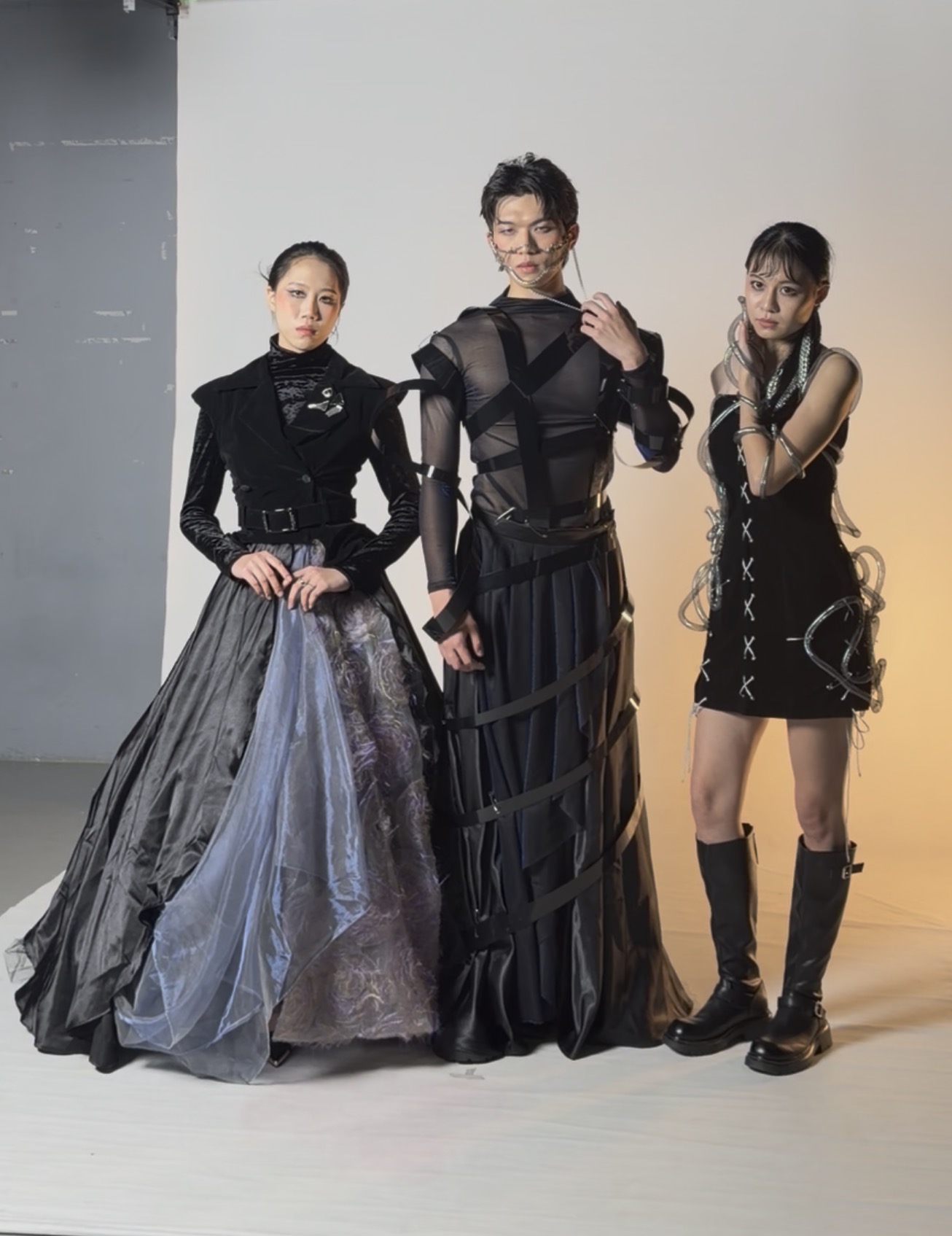
「影與光」揭示了心理與社會議題的雙重性。影代表霸凌者的傷害,受害者心理陰影的持續影響,而光則象徵如何透過勇氣與希望突破困境。此概念反映心理學中的創傷理論,強調陰影可能塑造一個人的行為模式,而光則是重建自信與自尊的關鍵。透過服飾的設計,將暗色與亮色並置,不僅展現傷害與療癒的對比,也讓觀者思考,如何在現實中協助受害者走向光明,重拾力量。
不只是色彩的對比,更是心理狀態的象徵。影,代表那些來自霸凌的創傷,如同陰影般無聲無息地籠罩著受害者,影響其自我認同與社會互動。心理學中,創傷後壓力症候群(PTSD)便是影的具現,受害者可能長期陷入恐懼、焦慮,甚至自我懷疑。相對地,光象徵療癒的可能,是一種內在的力量,來自支持、理解與自我突破。服飾設計可透過布料、剪裁與層次展現這兩種狀態,例如運用半透明材質表現影子的縈繞,並以光澤面料或發光元素呈現希望的閃爍,使穿戴者在行走間展現出掙脫陰影、邁向光明的過程。這不僅是一種視覺美學,更是對霸凌生存者心理歷程的詮釋,讓服裝成為情感與社會議題的橋樑,引發共鳴與省思。
Shadow and light
"Shadow and Light" reveals the duality of psychological and social issues. The shadow represents the hurt of the bully and the continuous influence of the victim's psychological shadow, while the light symbolizes how to break through the dilemma through courage and hope. This concept reflects the theory of trauma in psychology, emphasizing that shadows may shape a person's behavior pattern, while light is the key to rebuilding self-confidence and self-esteem. Through the design of clothing, dark colors and bright colors are juxisted, which not only shows the contrast between injury and healing, but also makes the viewer think about how to help the victim move towards the light and regain their strength in reality.
崑山科技大學 時尚展演事業系
(四年級)
王O閔
崑山科技大學 時尚展演事業系
(四年級)
彭O喬
崑山科技大學 時尚展演事業系
(四年級) 指導老師 鄭O文