從有至無-從無至有
From Being to Nothingness — From Nothingness to Being
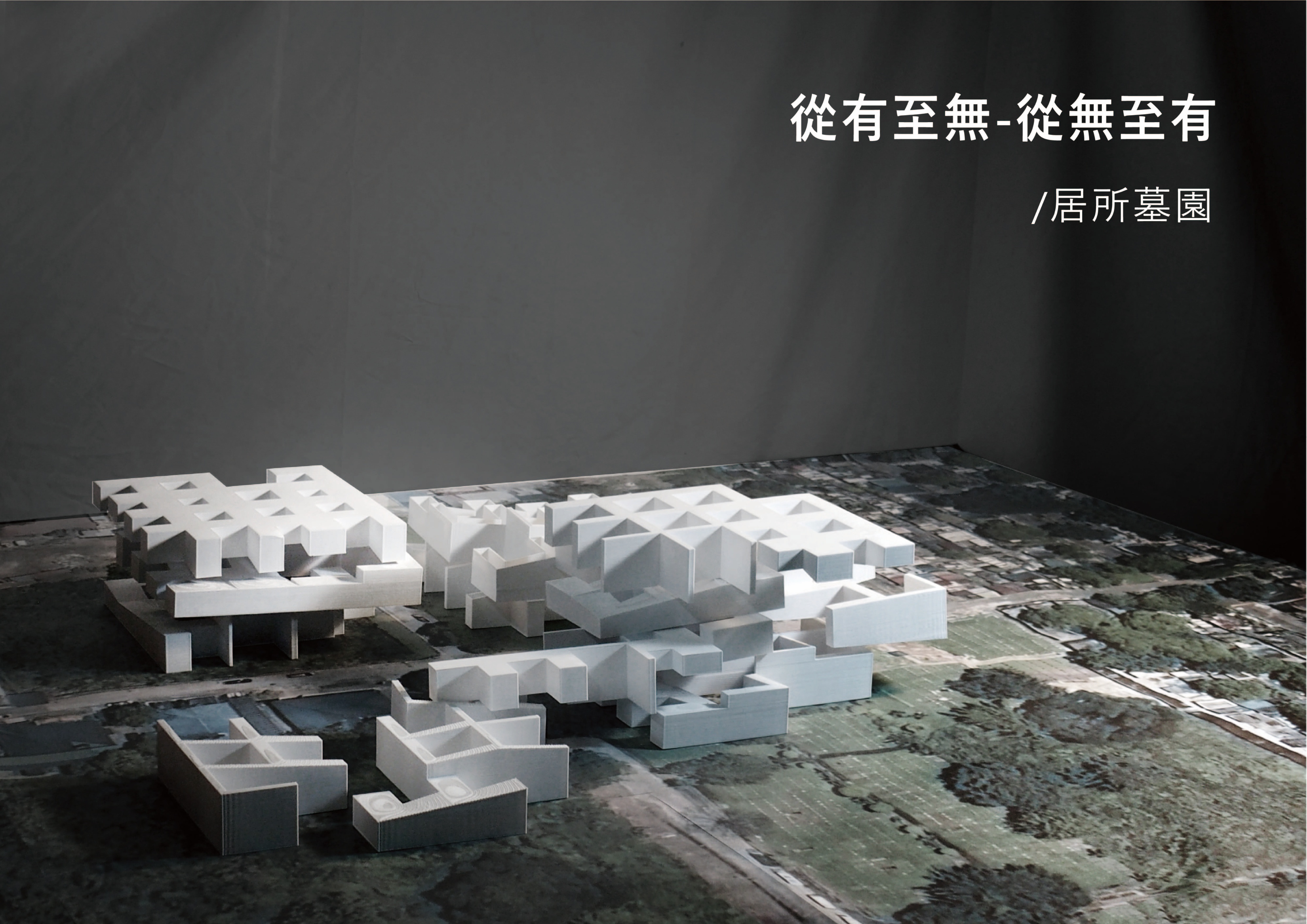
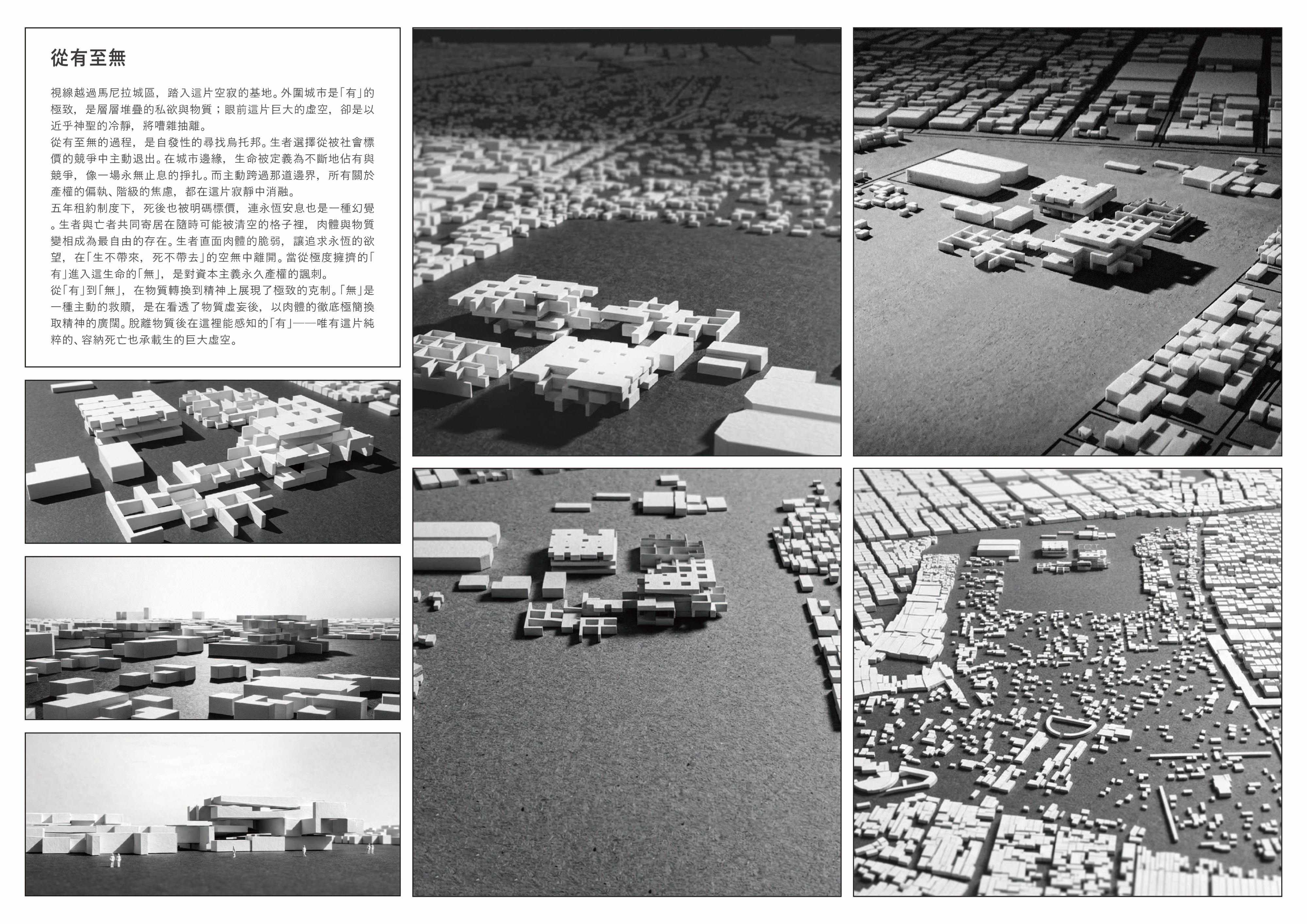
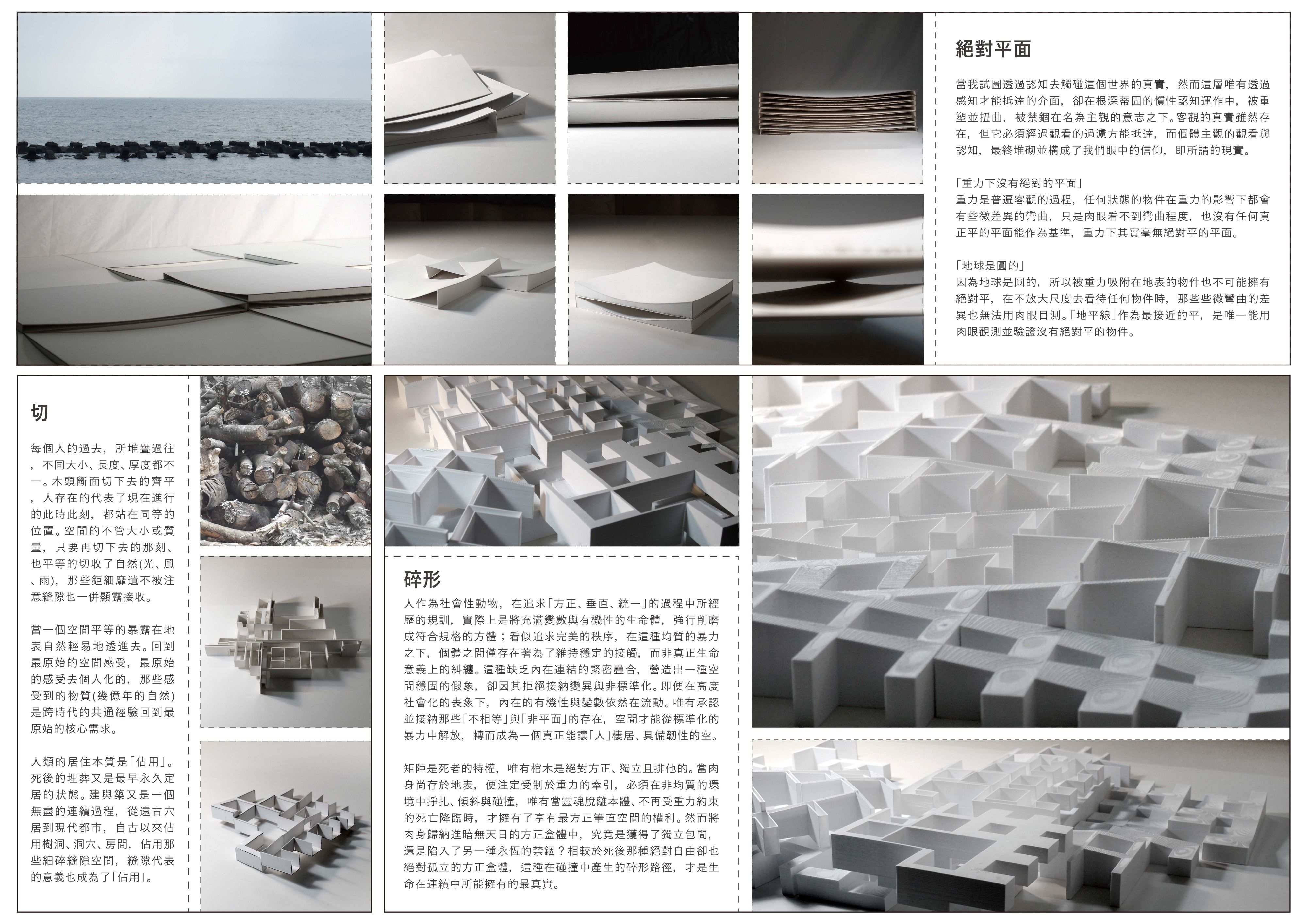
視線越過馬尼拉城區,踏入這片空寂。外圍城市是「有」的極致,是層層堆疊的私欲;眼前這片巨大的虛空,則以神聖的冷靜將嘈雜抽離。
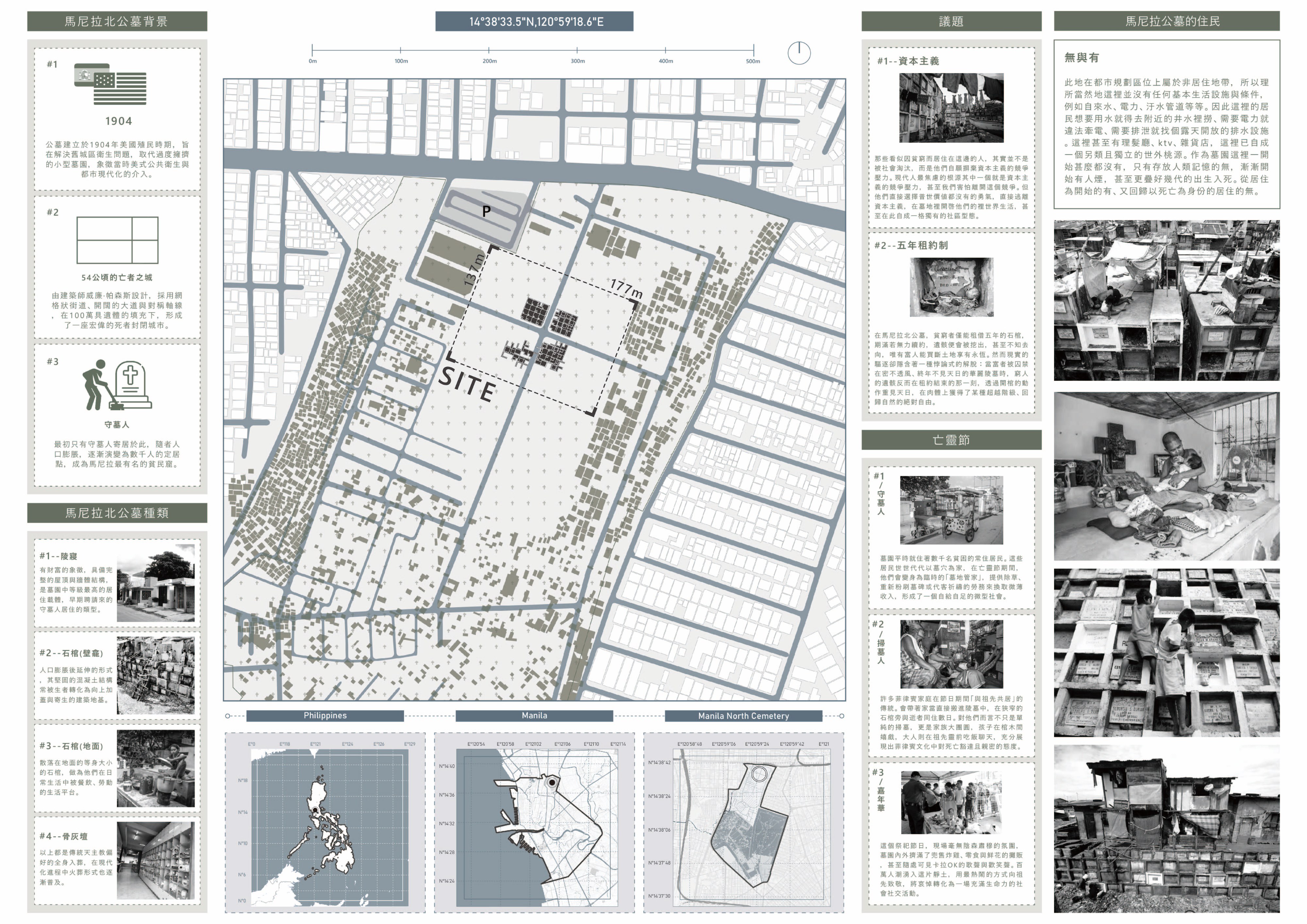
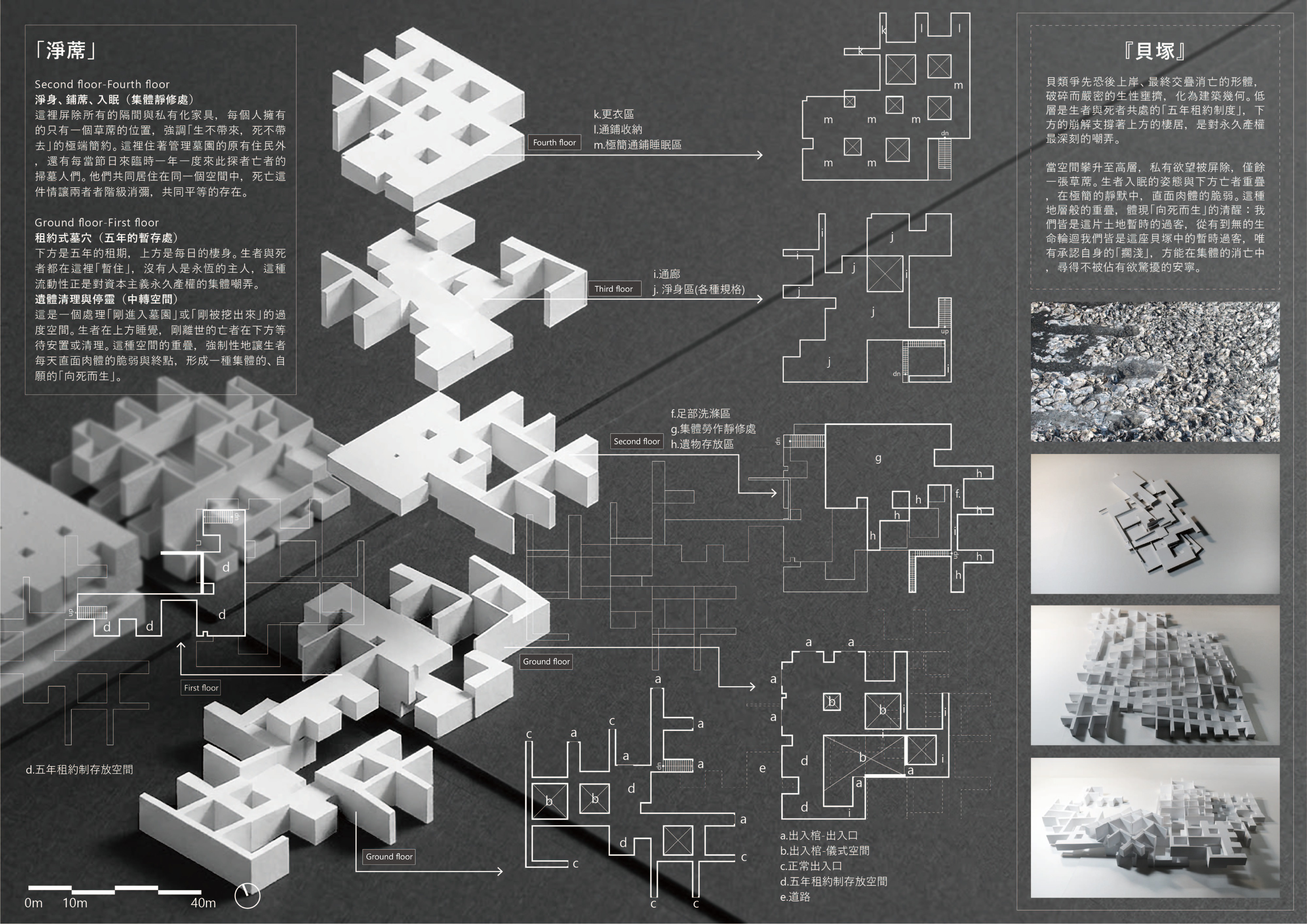
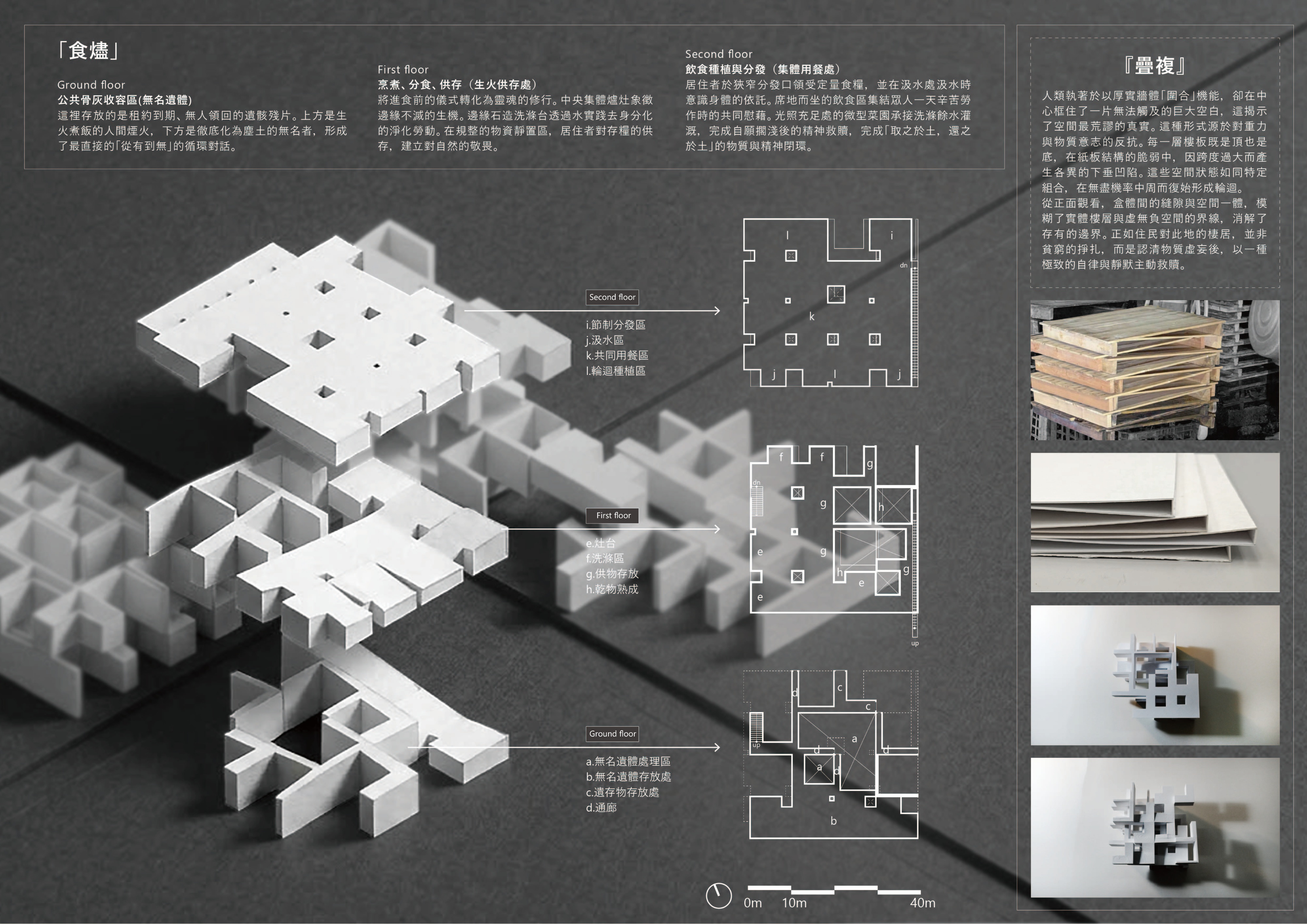
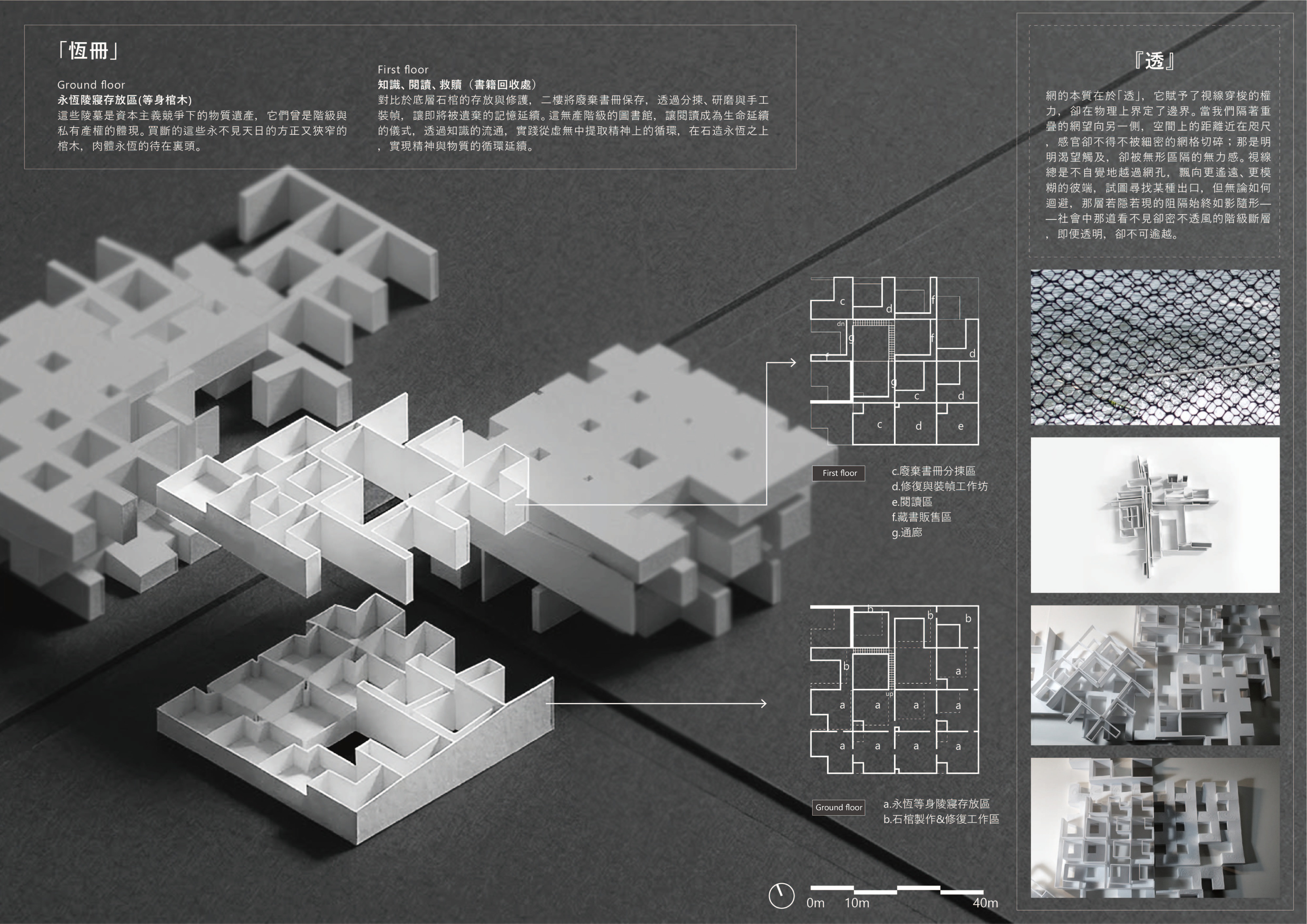
從有至無,是自發性地尋找烏托邦。生者主動從被標價的競爭中退出。在城市邊緣,生命被定義為不斷地佔有,像一場永無止息的掙扎;而跨過邊界,產權的偏執與階級焦慮都在寂靜中消融。五年租約制度下,安息也是幻覺。生者與亡者共同寄居在隨時可能被清空的格子裡。生者直面肉體的脆弱,讓追求永恆的欲望,在「生不帶來,死不帶去」的空無中化解。從擁擠的「有」進入生命的「無」,是對資本主義永久產權的諷刺。
「無」是一種主動的救贖,在看透物質虛妄後,以極簡換取精神的廣廣。脫離物質後,能感知的「有」——唯有這片承載生死的巨大虛空。
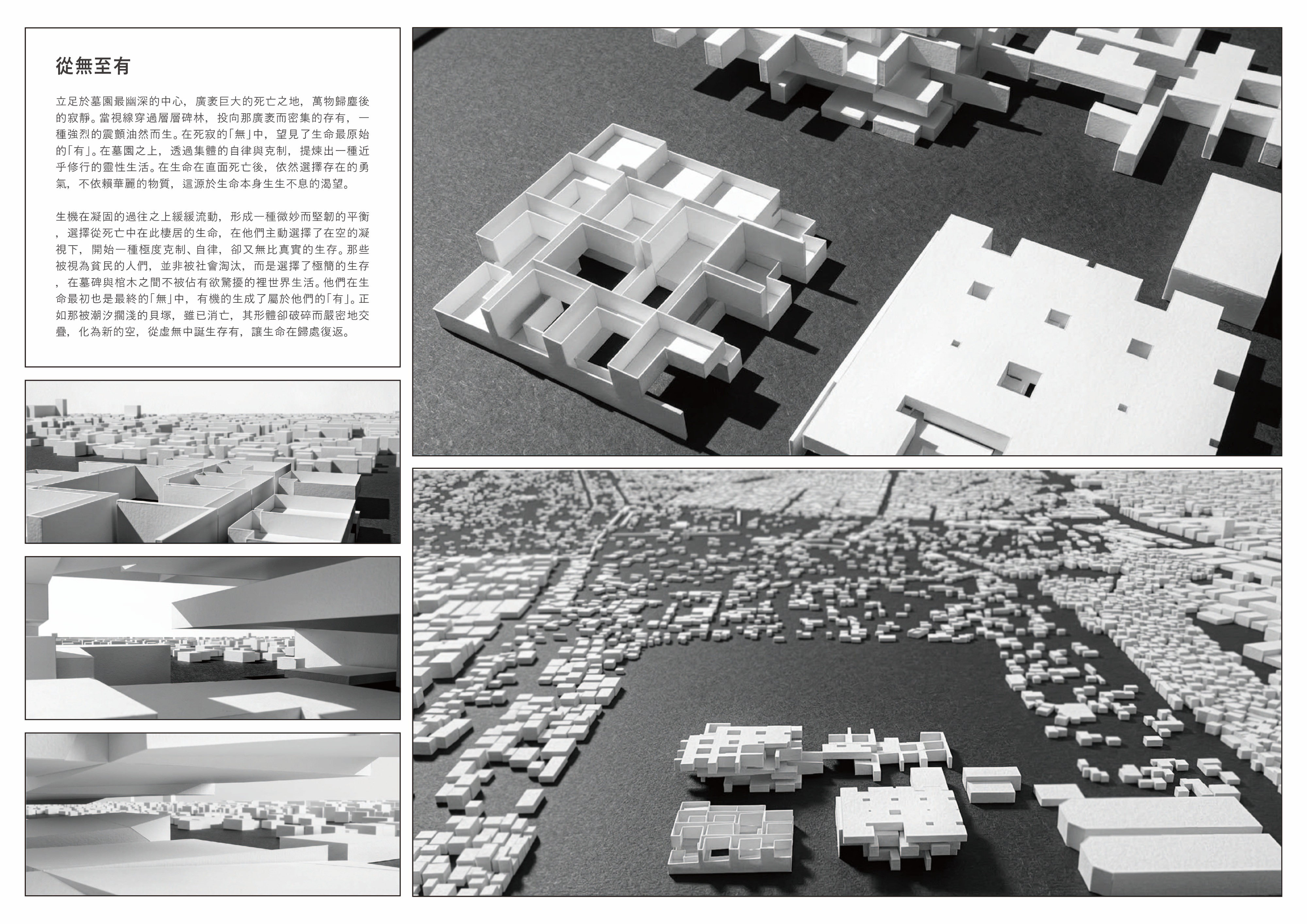
立足於墓園深處,萬物歸塵。在死寂的「無」中,望見了生命最原始的「有」。透過集體的自律,提煉出近乎修行的靈性。這源於生命直面死亡後,依然選擇存在的勇氣。生機在凝固的過往上流動。在此棲居的人們,在「空」的凝視下,開始極度克制卻真實的生存。他們選擇在墓碑與棺木間,不被佔有欲驚擾地生活。在最初也最終的「無」中,有機地生成了屬於自己的「有」。正如被潮汐擱淺的貝塚,雖已消亡,其形體卻交疊化為新的空間,讓生命在歸處復返。
From Being to Nothingness — From Nothingness to Being
Beyond Manila’s urban sprawl, a sacred void emerges where the frenzy of private possession fades into stillness. This voluntary retreat from a capitalist world offers a spontaneous search for Utopia. At the city’s edge, anxieties of class and acquisition dissolve. In a system where even burial niches are leased temporarily, the illusion of permanence is shattered. This inherent fragility critiques ownership; by confronting the reality that we possess nothing permanently, the desperate drive for material fullness is neutralized.
In this space, nothingness becomes redemption. Residents trade material excess for a spiritual vastness where the void cradles both life and death. Through collective, ascetic discipline, those living among the tombs exist free from the burden of property. In this ultimate silence, life returns to its primal essence—like a shell mound left by the tide—reaching a true, unburdened destination.