摸摸
momo
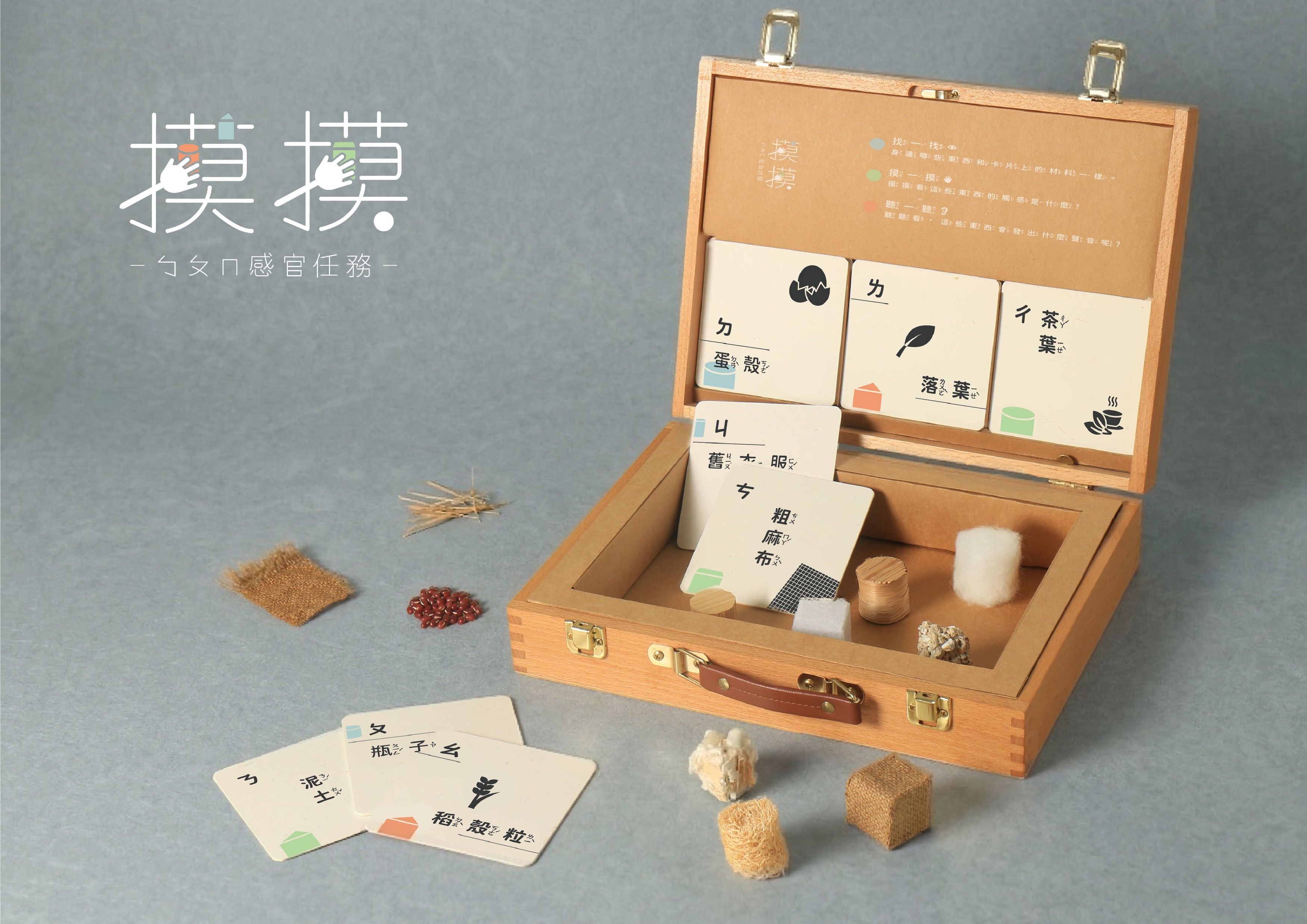
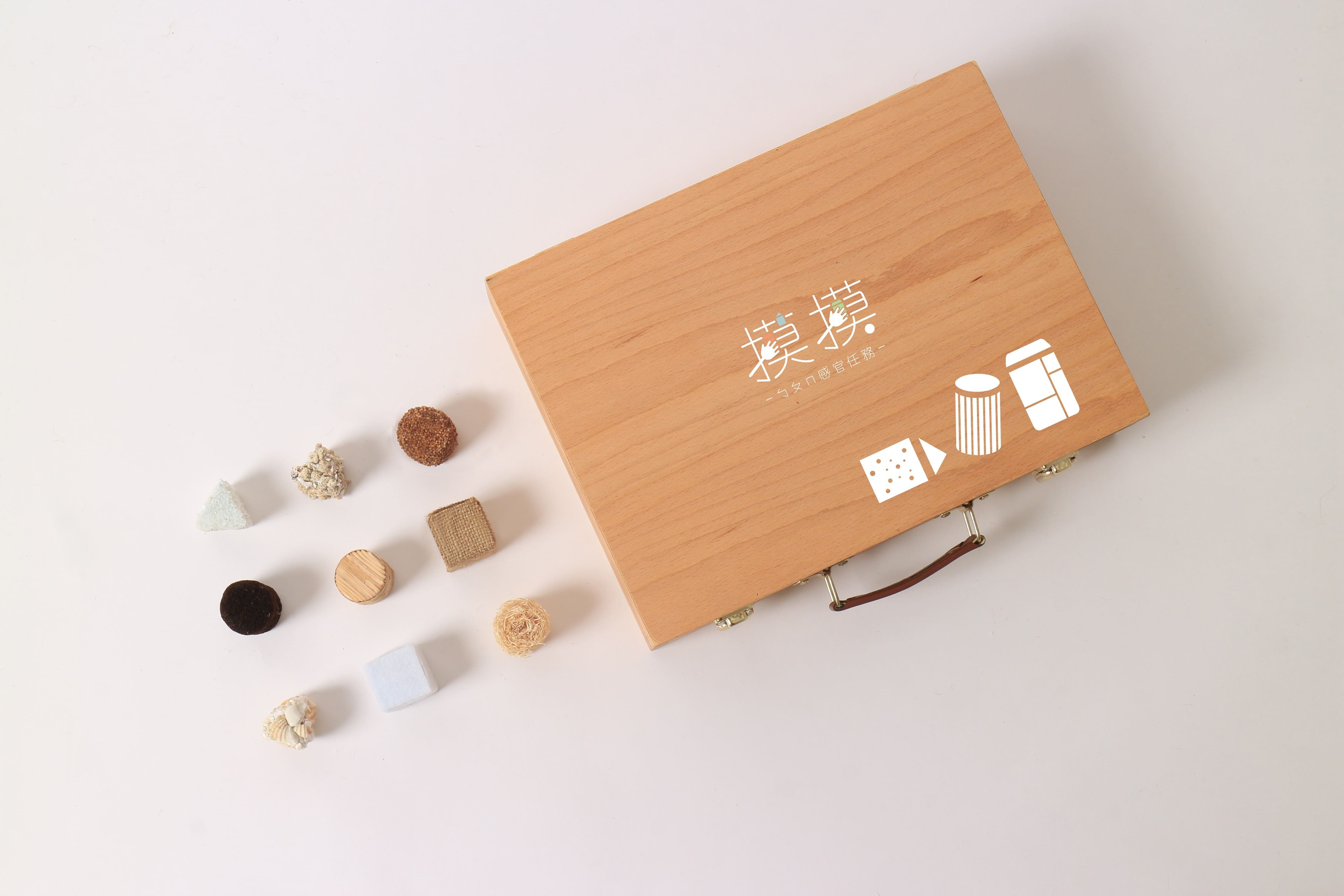
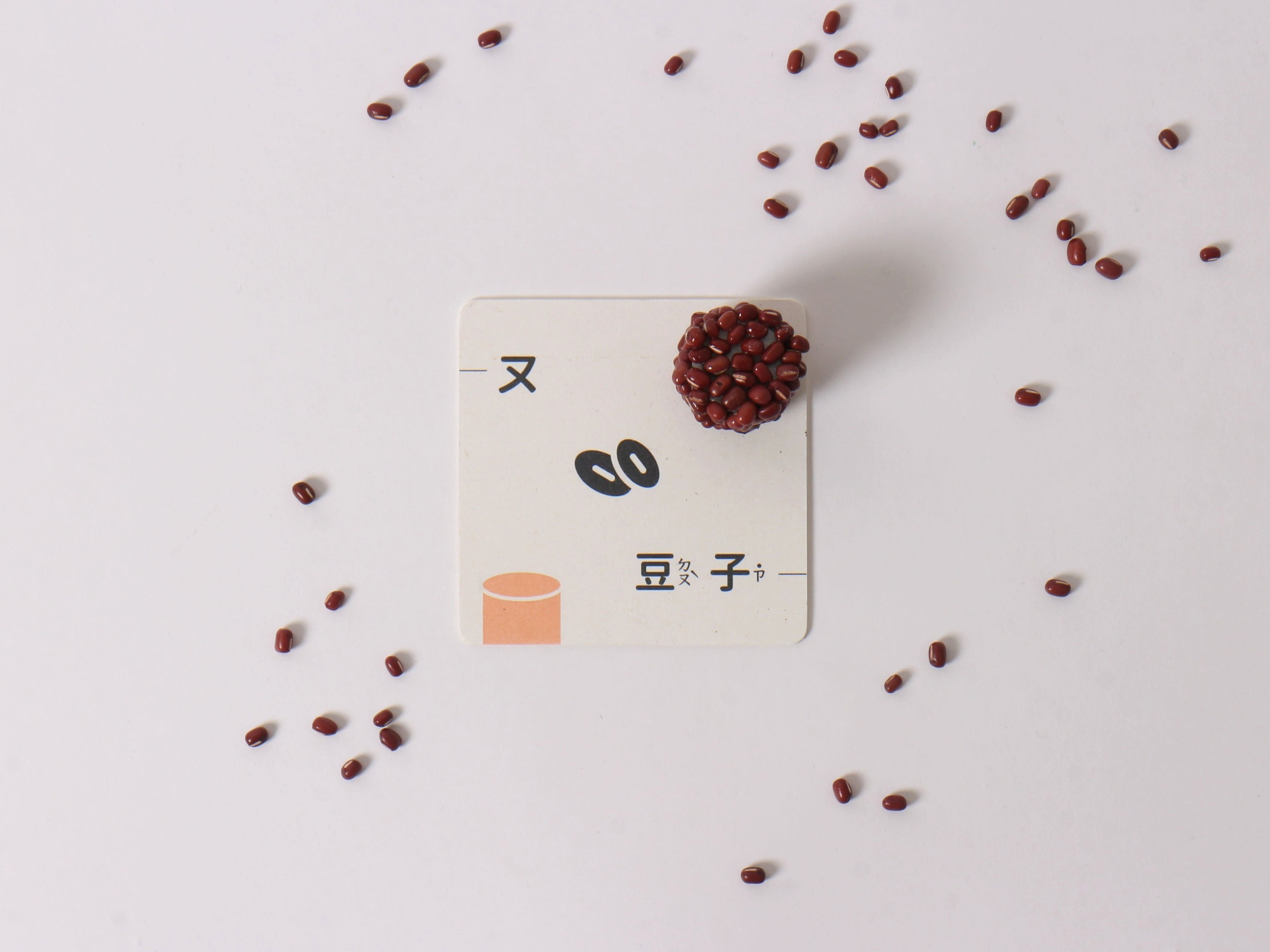
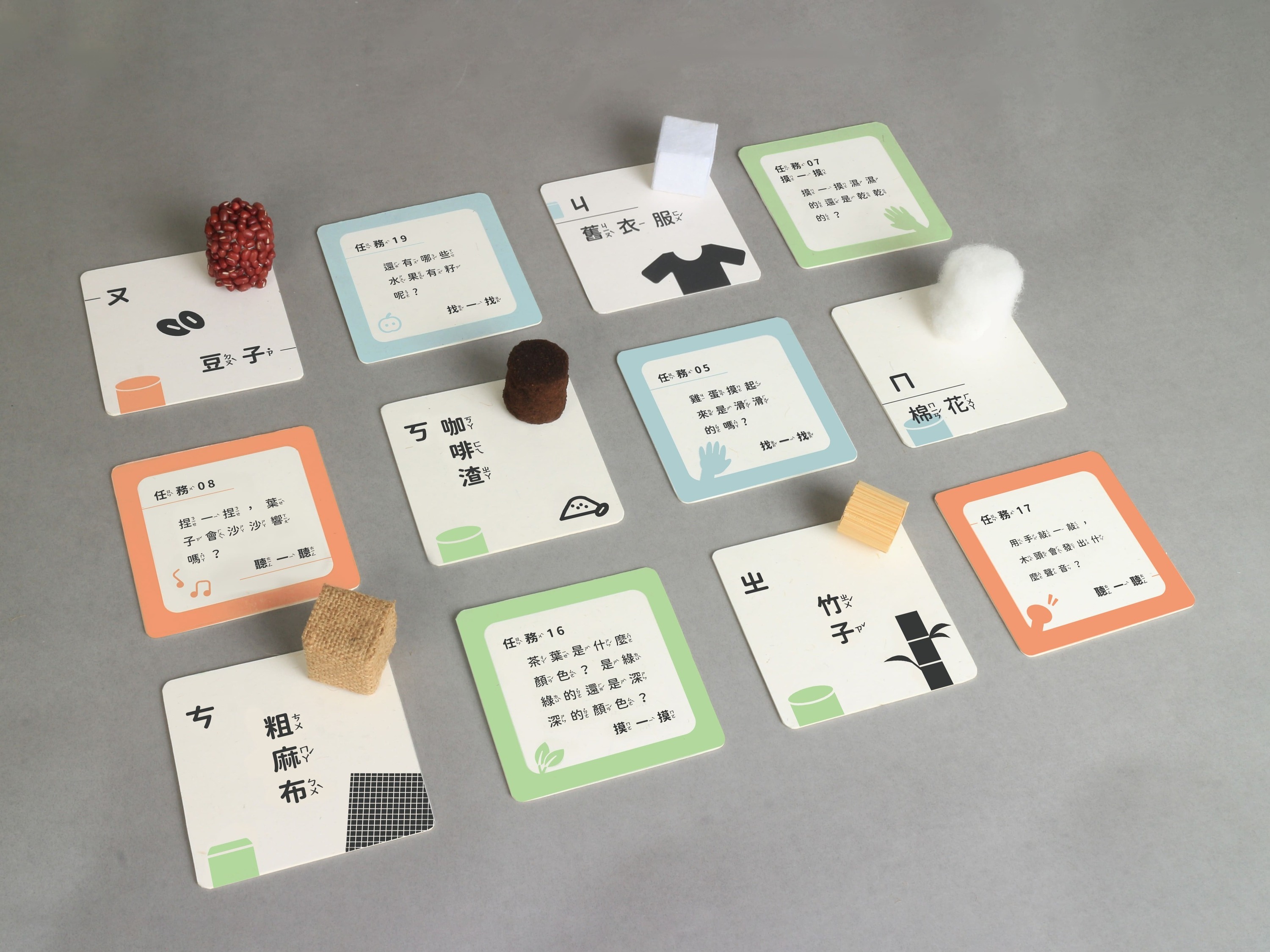
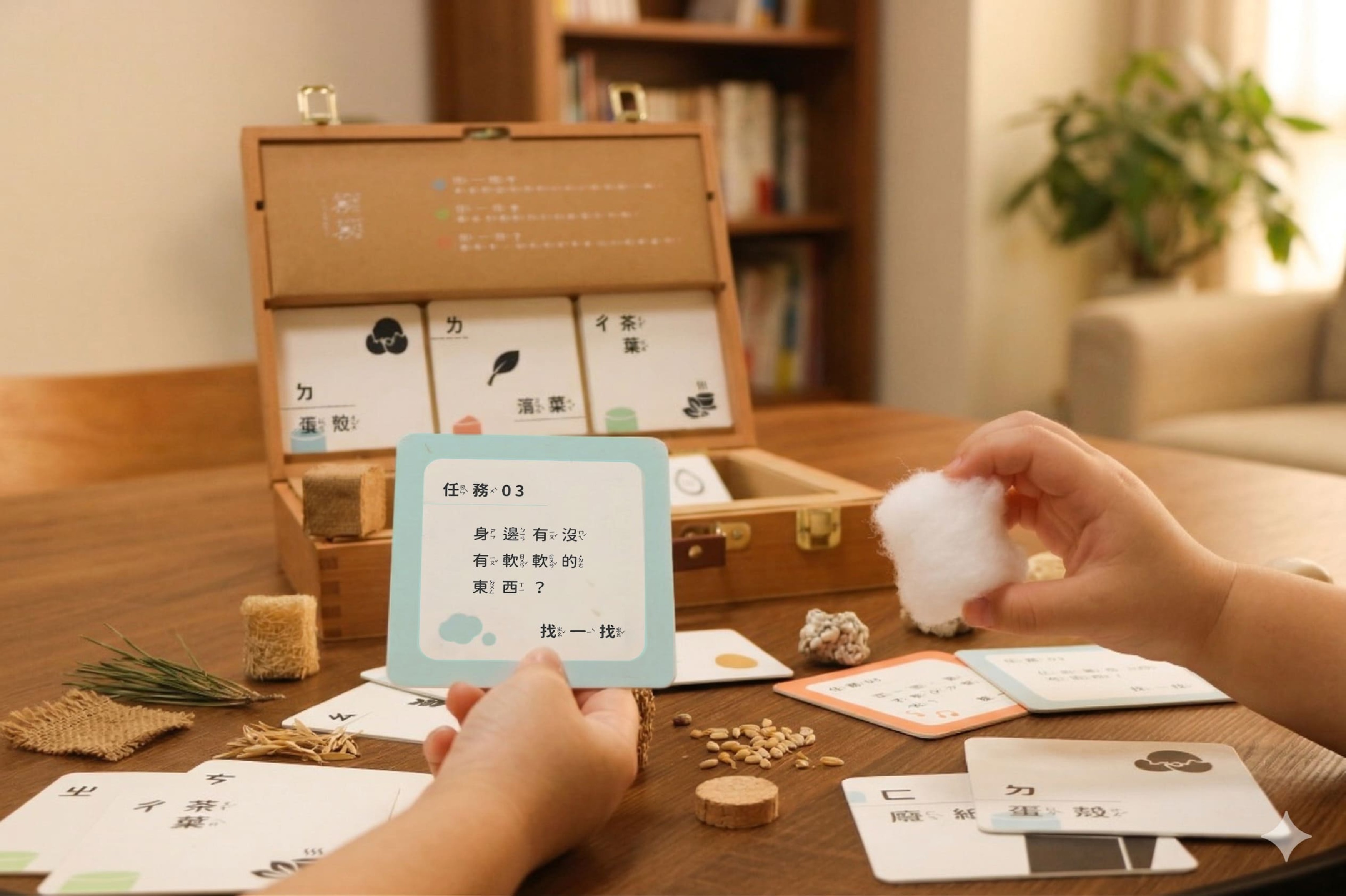
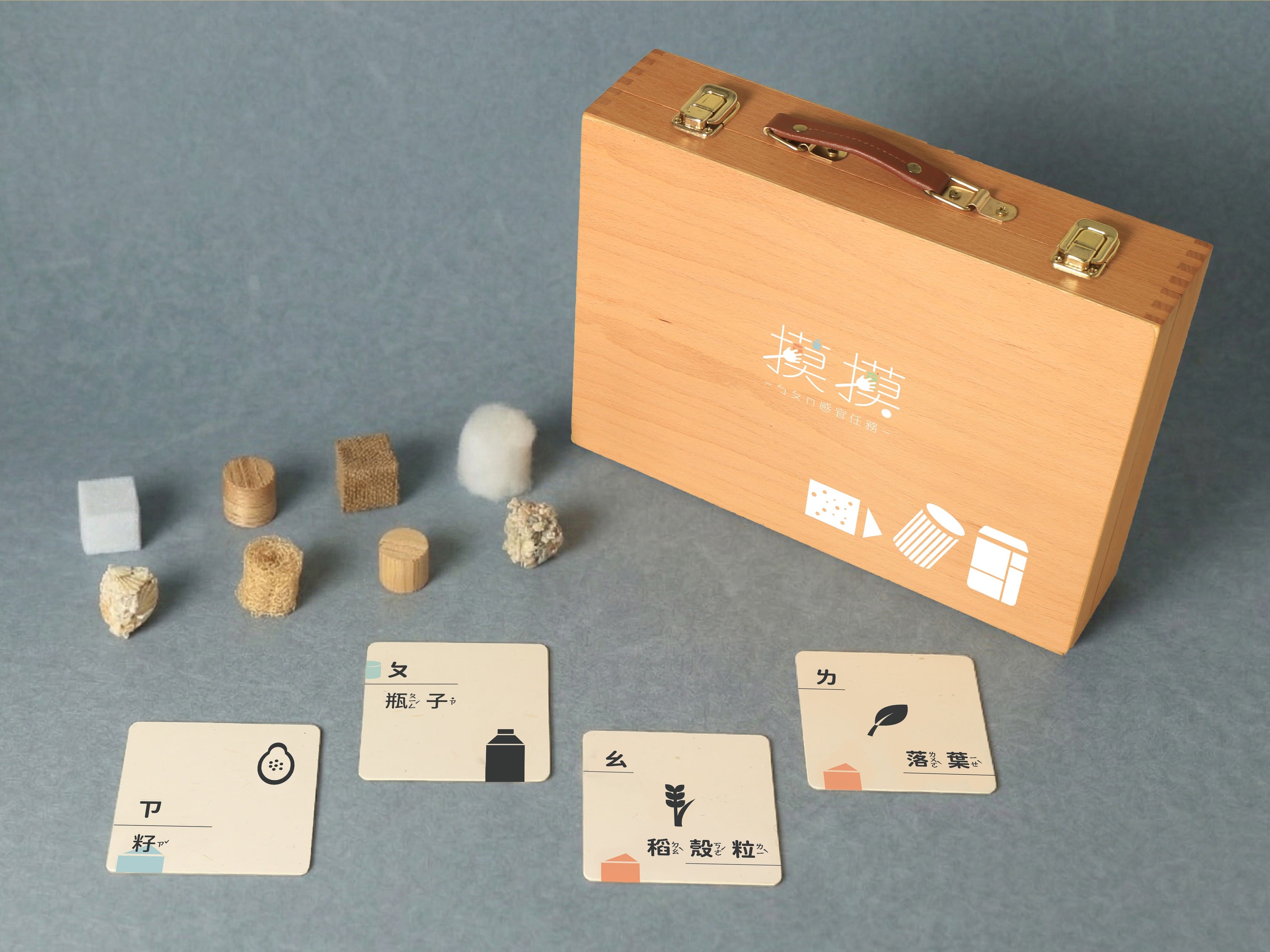
以「觸覺」為核心,透過視覺與材質的整合設計,重新詮釋注音符號的學習方式。在視覺傳達上,將臺灣特有注音轉為可被觸摸與操作的體驗,使注音能被感知與理解。整體設計以一致性的圖像語言,建立清晰且溫和的視覺識別系統,使兒童在無壓力的情境中進行探索。
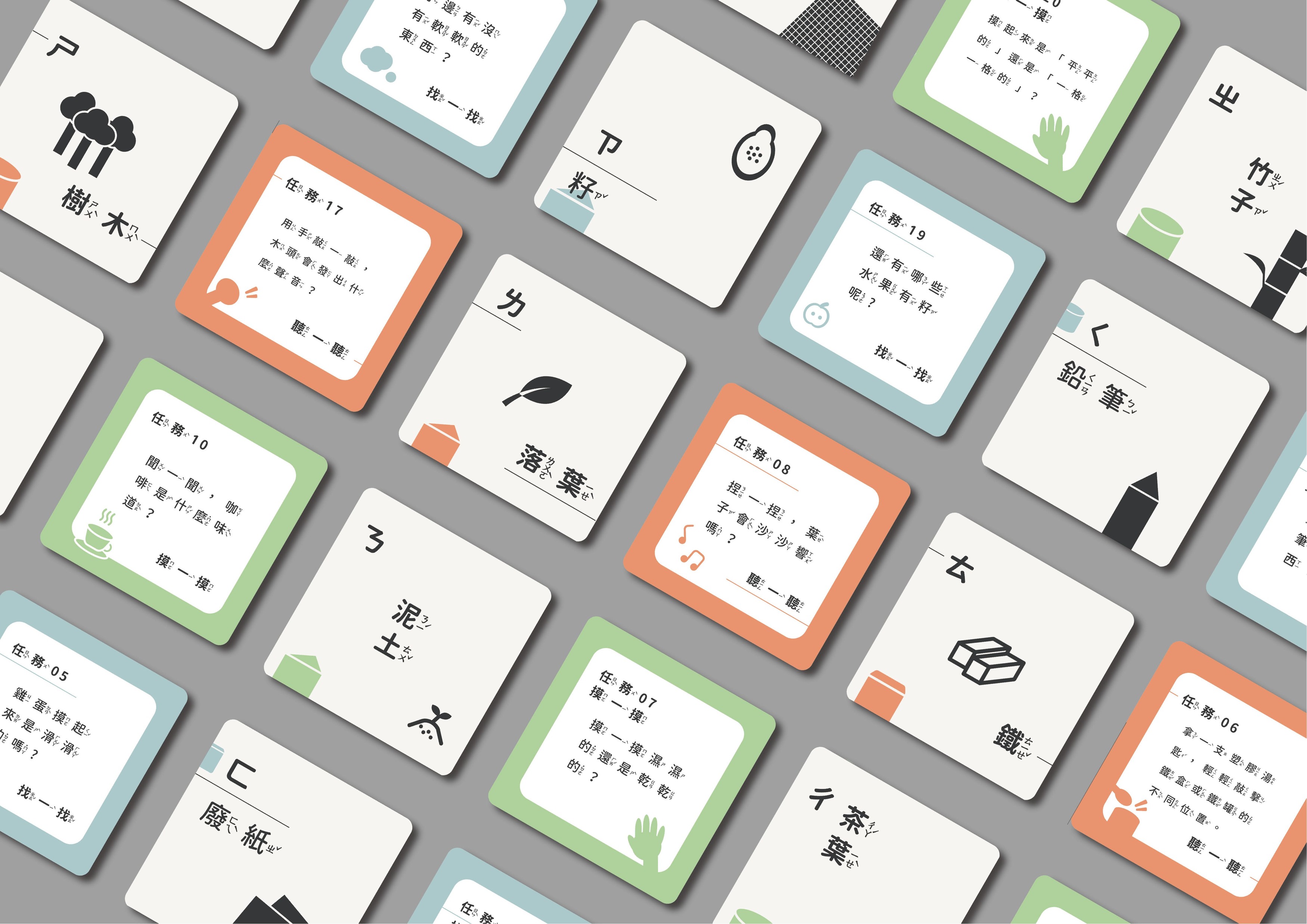
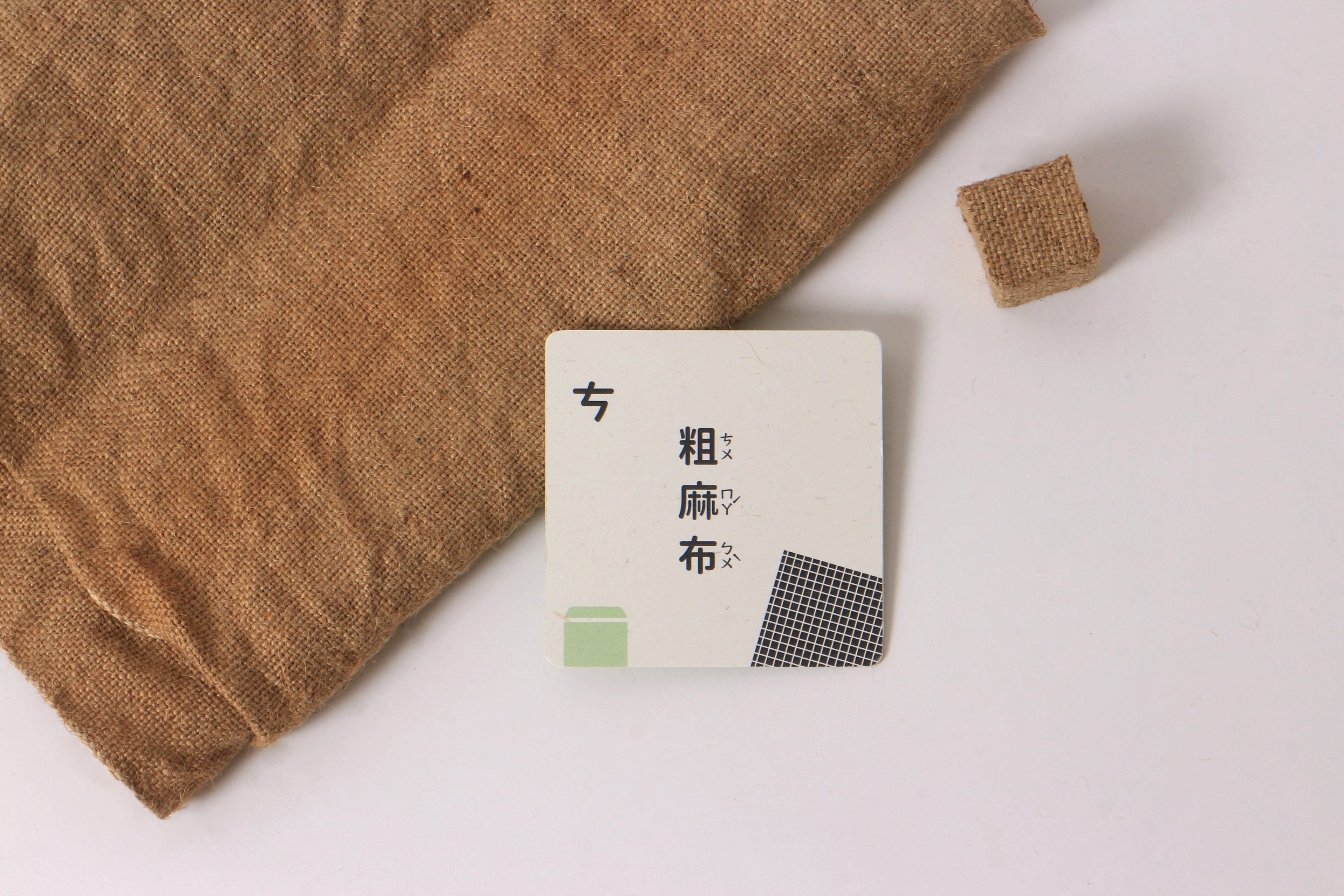
在圖像表現上,字卡結合注音符號、材質插圖與任務提示,形成資訊層次分明的視覺結構,引導兒童由「看」進入「做」,再延伸至「感受」。插圖風格簡化材質特徵,保留辨識度與觸感聯想,使視覺成為觸覺的前導媒介。同時,版面設計採用留白與排列,降低資訊負擔,提升閱讀節奏與直覺。
在整體系統上,設計透過「字卡與材質組」建立一致且可延展的設計,使學習歷程具有連續性與邏輯性。符號、材料與行為之間的關係被清晰地轉譯為一套可被理解的視覺系統,讓兒童在探索過程中自然建立認知連結。
「摸摸」試圖突破傳統語文教材以視覺為主的限制,透過跨感官的設計思維,將視覺傳達從「資訊呈現」轉向「經驗引導」,使設計不僅傳遞知識,更成為連結語言、身體與環境的媒介,展現視覺傳達於教育與永續議題中的多重可能性。
momo
Centered on tactile experience, this project reimagines Zhuyin learning through the integration of visual design and material interaction. Symbols are transformed into touchable forms, enabling children to learn through direct sensory experience within a calm and accessible visual system.
Each card combines symbols, material cues, and task prompts, guiding children from seeing to doing and feeling. Simplified visuals and clean layouts reduce cognitive load and support intuitive learning.
By linking symbols, materials, and actions, the system creates a coherent and continuous learning experience. “Touch & Feel” shifts visual communication from information delivery to experiential guidance, connecting language, body, and environment.
南臺科技大學 視覺傳達設計系
(四年級)
史O荷
南臺科技大學 視覺傳達設計系
(四年級)
徐O茹
南臺科技大學 視覺傳達設計系
(四年級) 指導老師 賴O玲
童O鈞