光落不均
Unevenly Lit

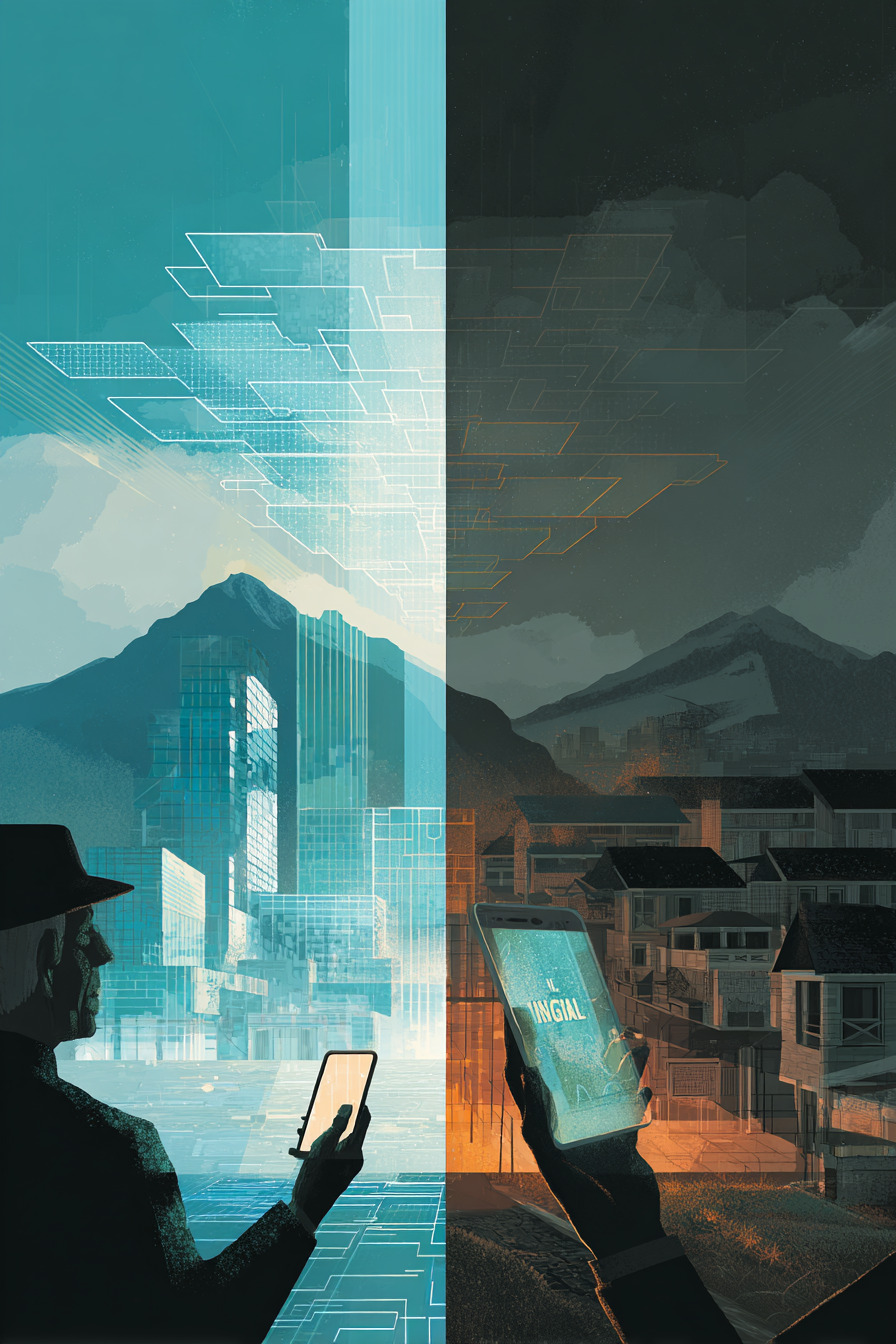
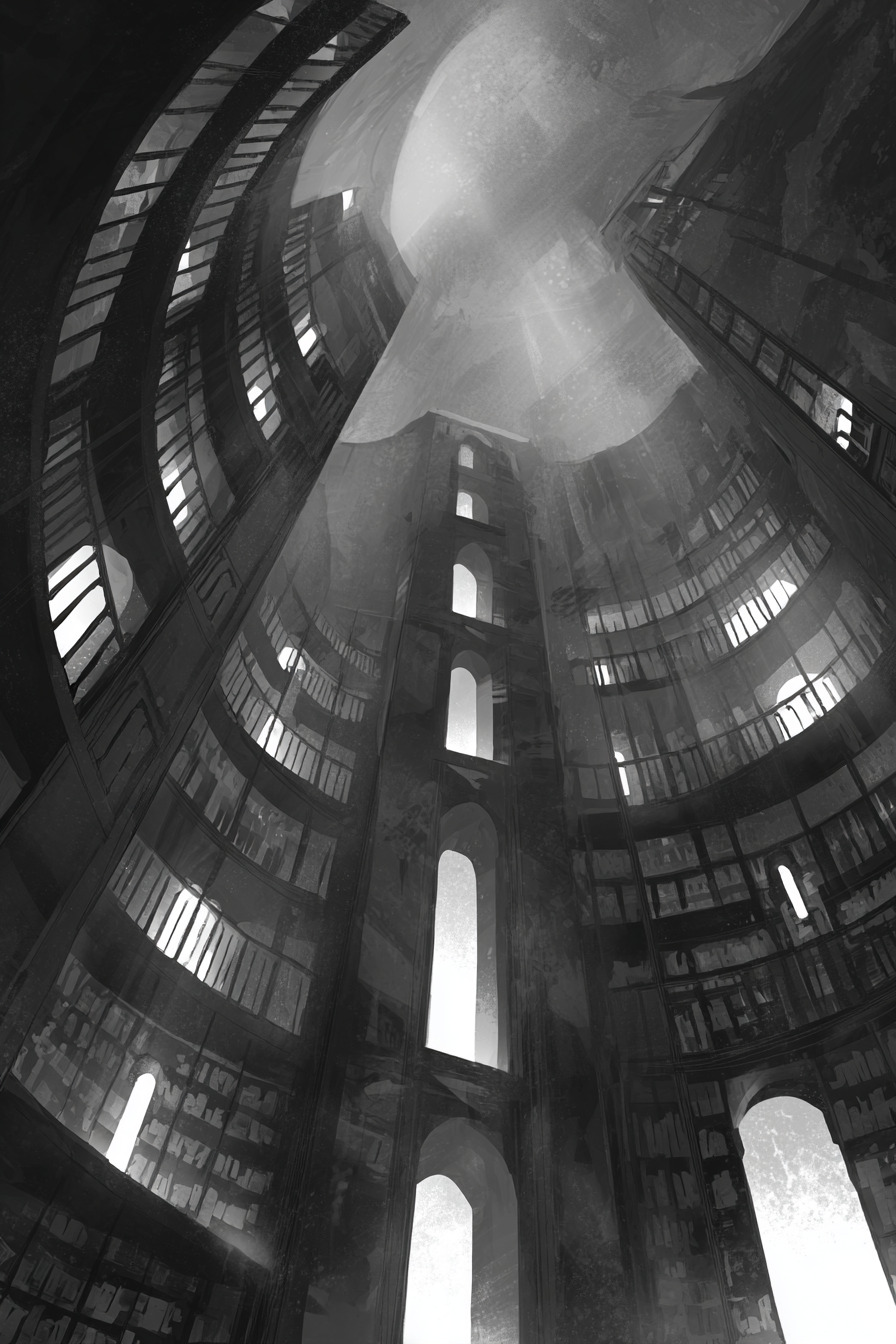
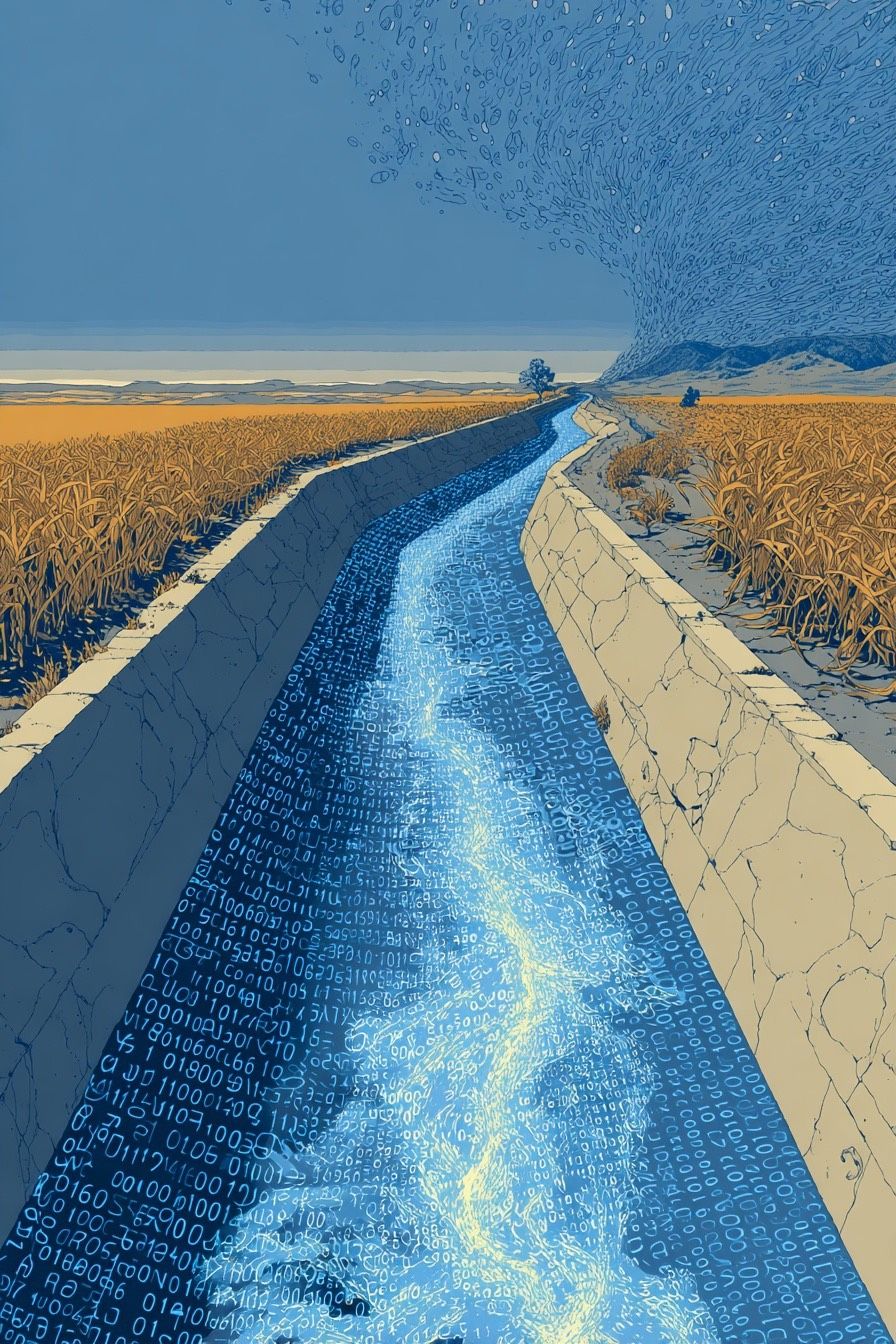
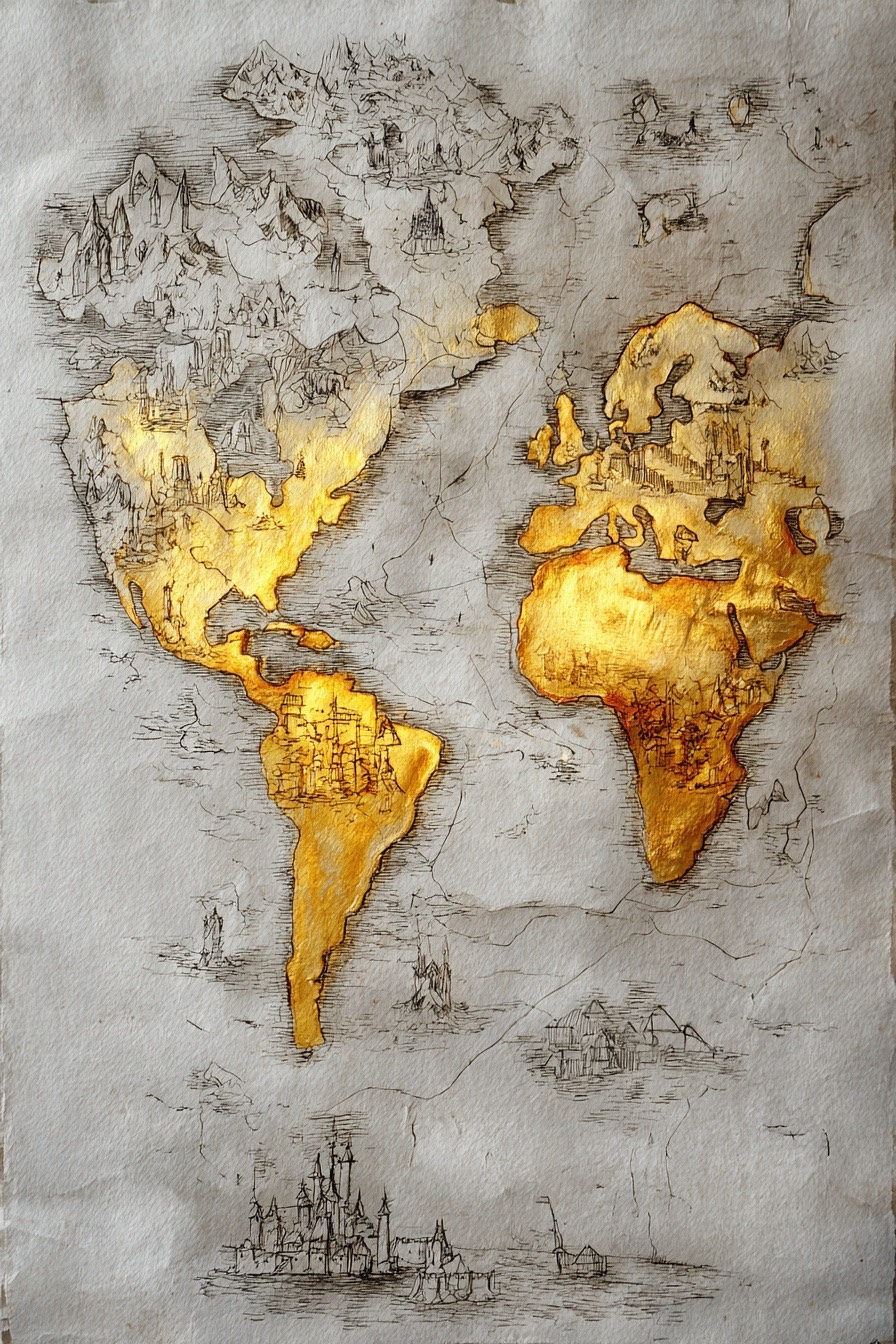
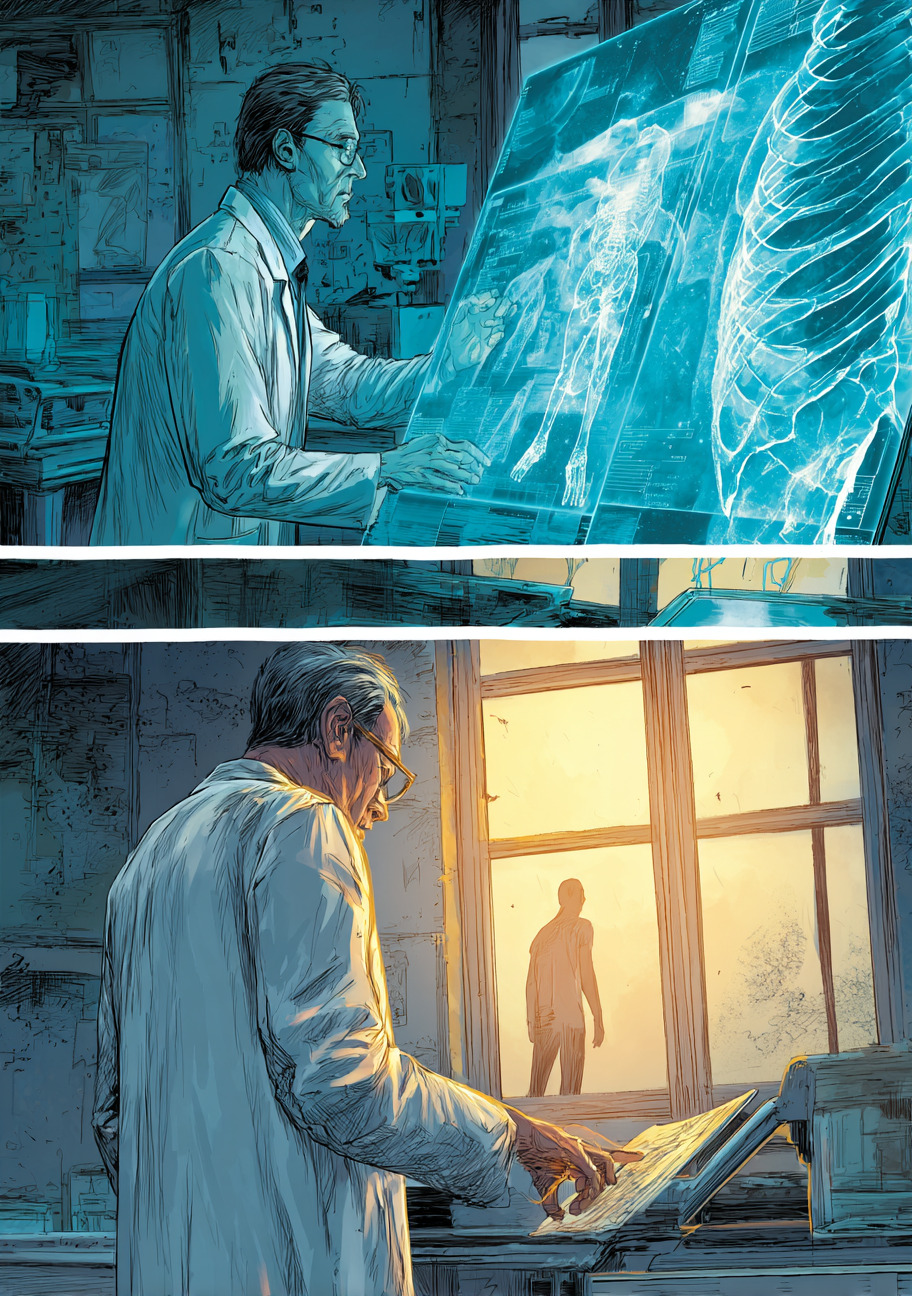
《光落不均》以光影作為隱喻,探討人工智慧快速發展下,人與人之間逐漸擴大的資源落差與機會不平等。當技術成為新的「光源」,擁有資源與能力接觸 AI 的群體被優先照亮,得以掌握更多資訊、機會與話語權;相對地,處於邊緣或缺乏資源的人,則逐漸隱沒於陰影之中,難以被看見與參與。
作品透過不均勻的光線分布與強烈的視覺對比,呈現資訊、資源與權力集中所造成的結構性差異,使部分個體被過度放大,而另一些則被忽視甚至消失。光在此不再只是單純的照明元素,而是一種具有選擇性與導向性的分配機制,象徵當代科技環境中看不見卻真實存在的篩選過程。
隨著人工智慧持續滲透至教育、工作與日常生活,這種不均的現象也不斷被放大與固化,甚至形成新的社會階層。作品試圖提出反思:當科技進步持續加速,我們是否正在默許一個「光只照向少數人」的世界?而那些未被照亮的存在,又將如何被重新看見與理解
Unevenly Lit
Uneven Illumination uses light as a metaphor to examine the growing gap and inequality brought about by the rapid advancement of artificial intelligence. As technology becomes a new source of “light,” those with access to AI are increasingly illuminated, gaining more opportunities and influence, while others are left in the shadows.
Through contrasts of light and darkness, the work visualizes how resources, information, and power become unevenly distributed, amplifying certain individuals while marginalizing others. In this context, light is no longer a neutral element, but a mechanism of selection and control.
The work invites reflection: as technological progress accelerates, are we allowing a world where light shines only on a few—and what happens to those who remain unseen?
正修科技大學 視覺傳達設計系
(四年級)
許O綮
正修科技大學 視覺傳達設計系
(四年級) 指導老師 吳O霖