共築堡壘
FORT TOGETHER
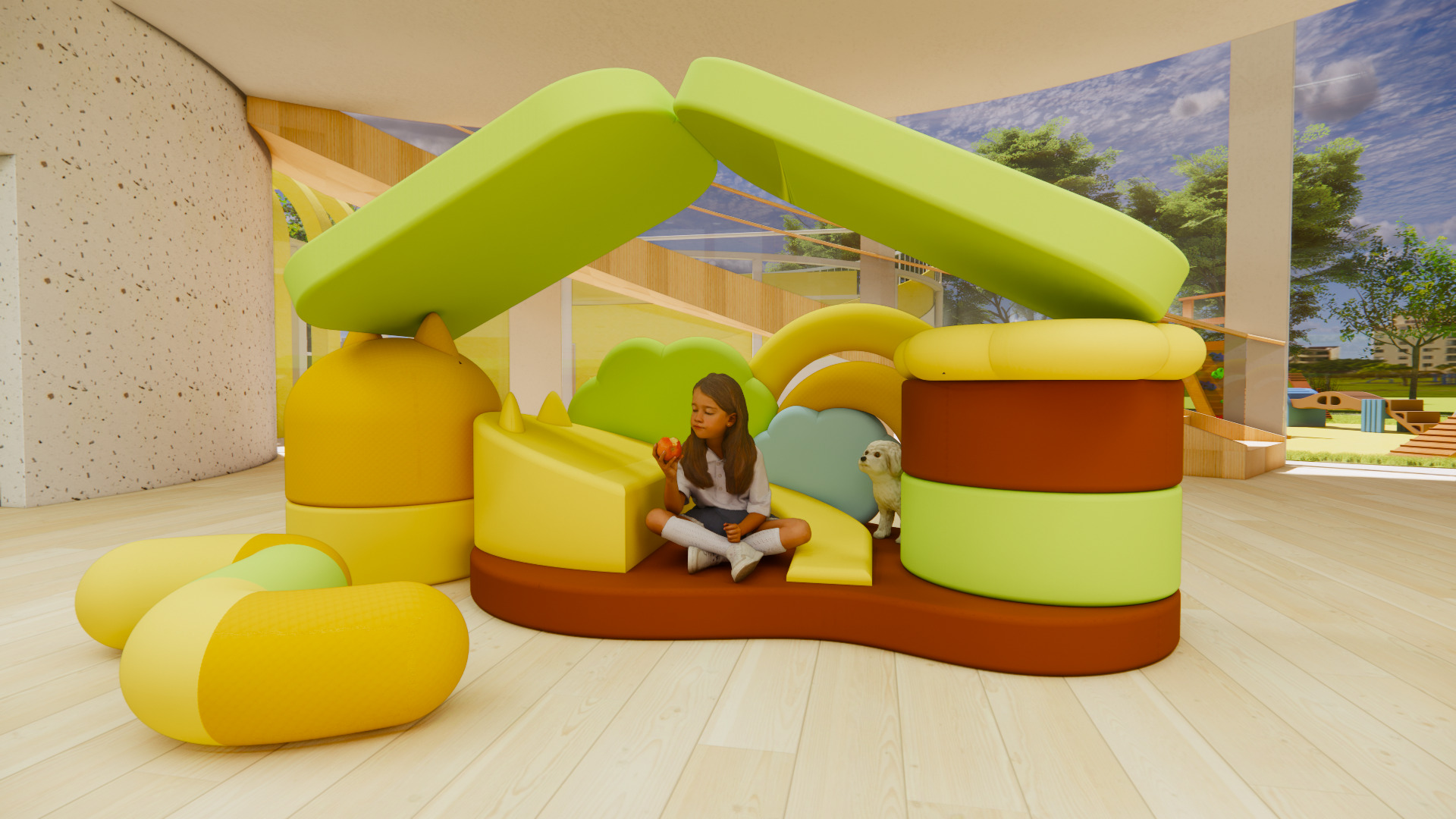
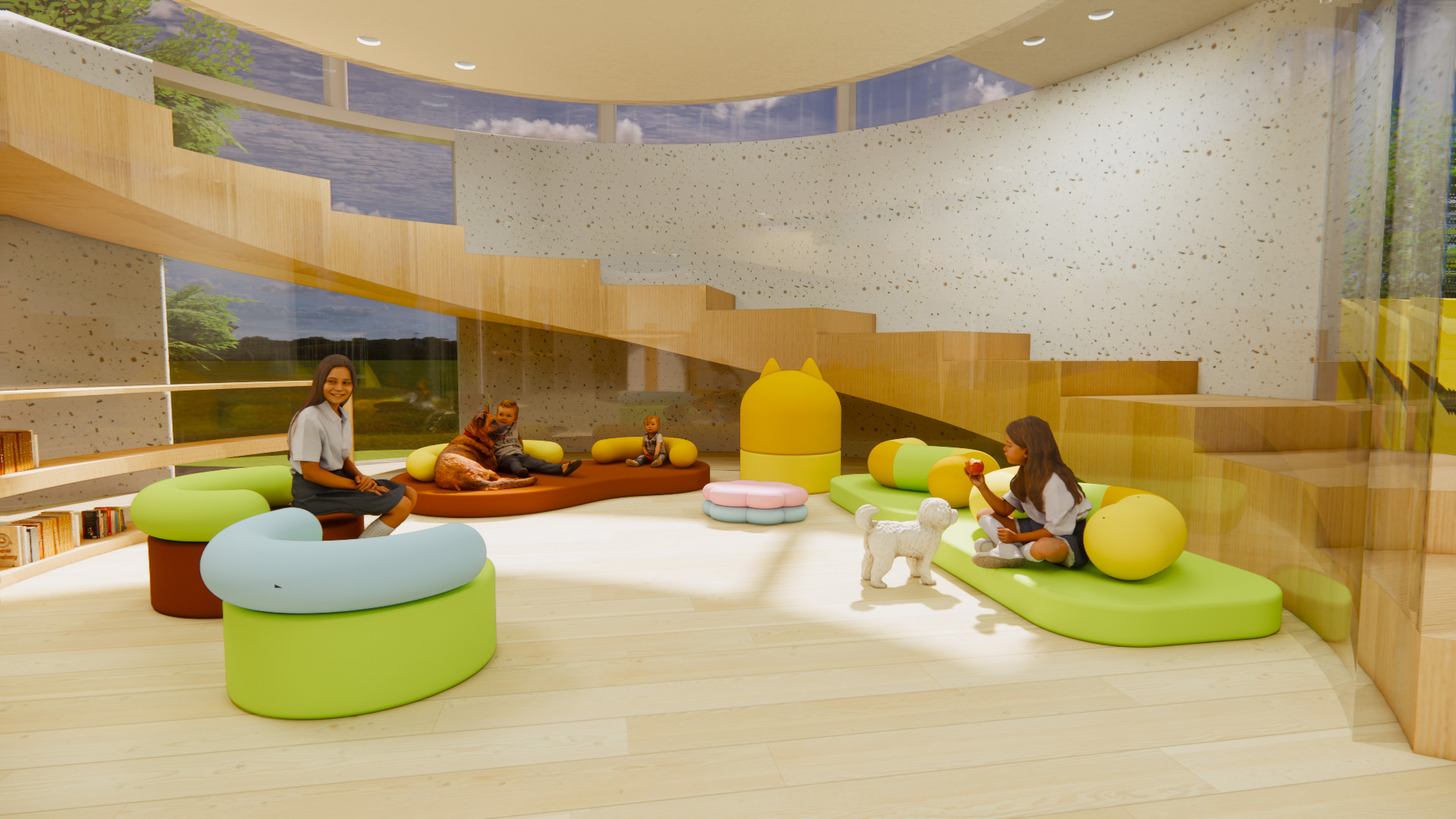
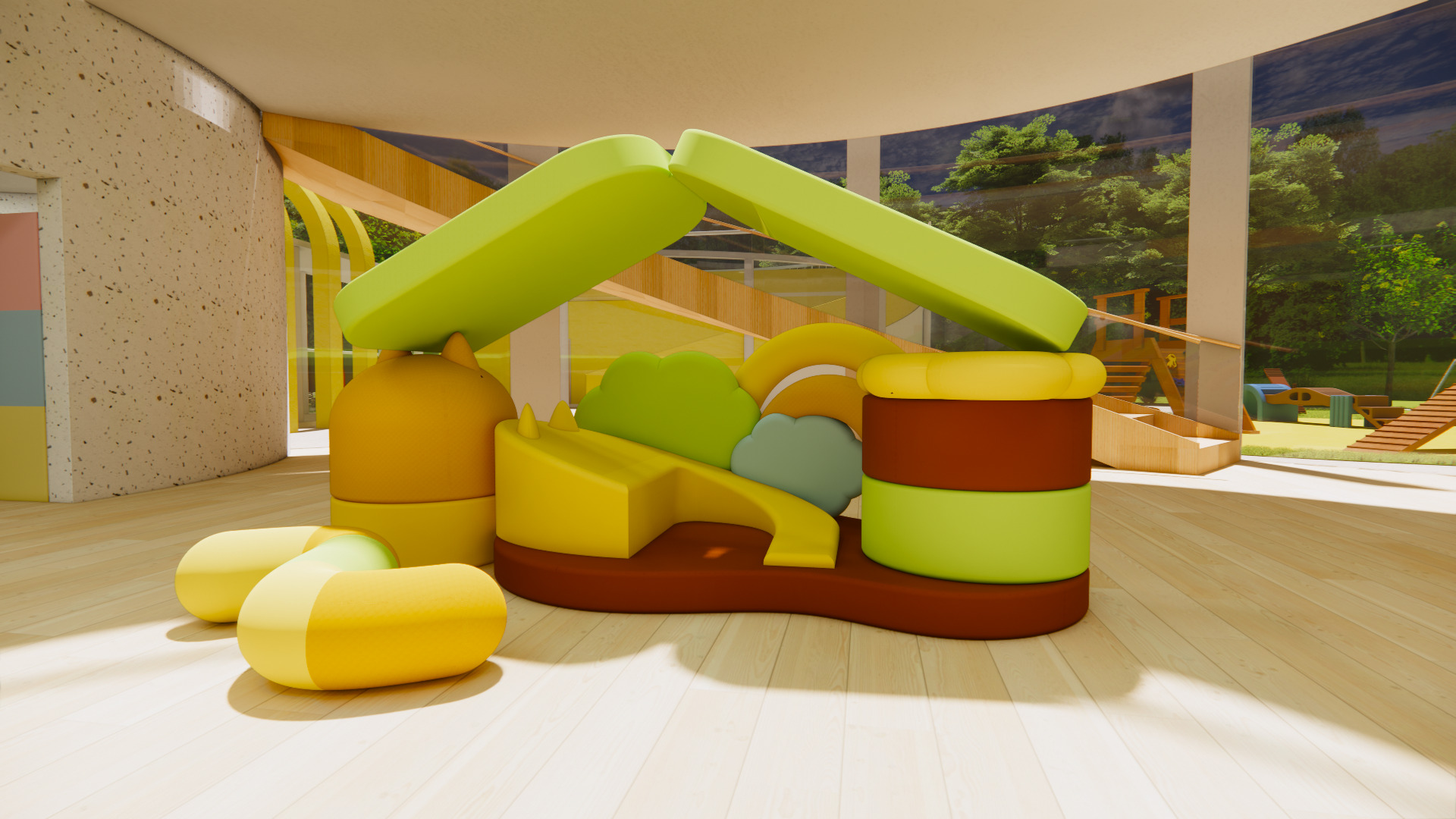
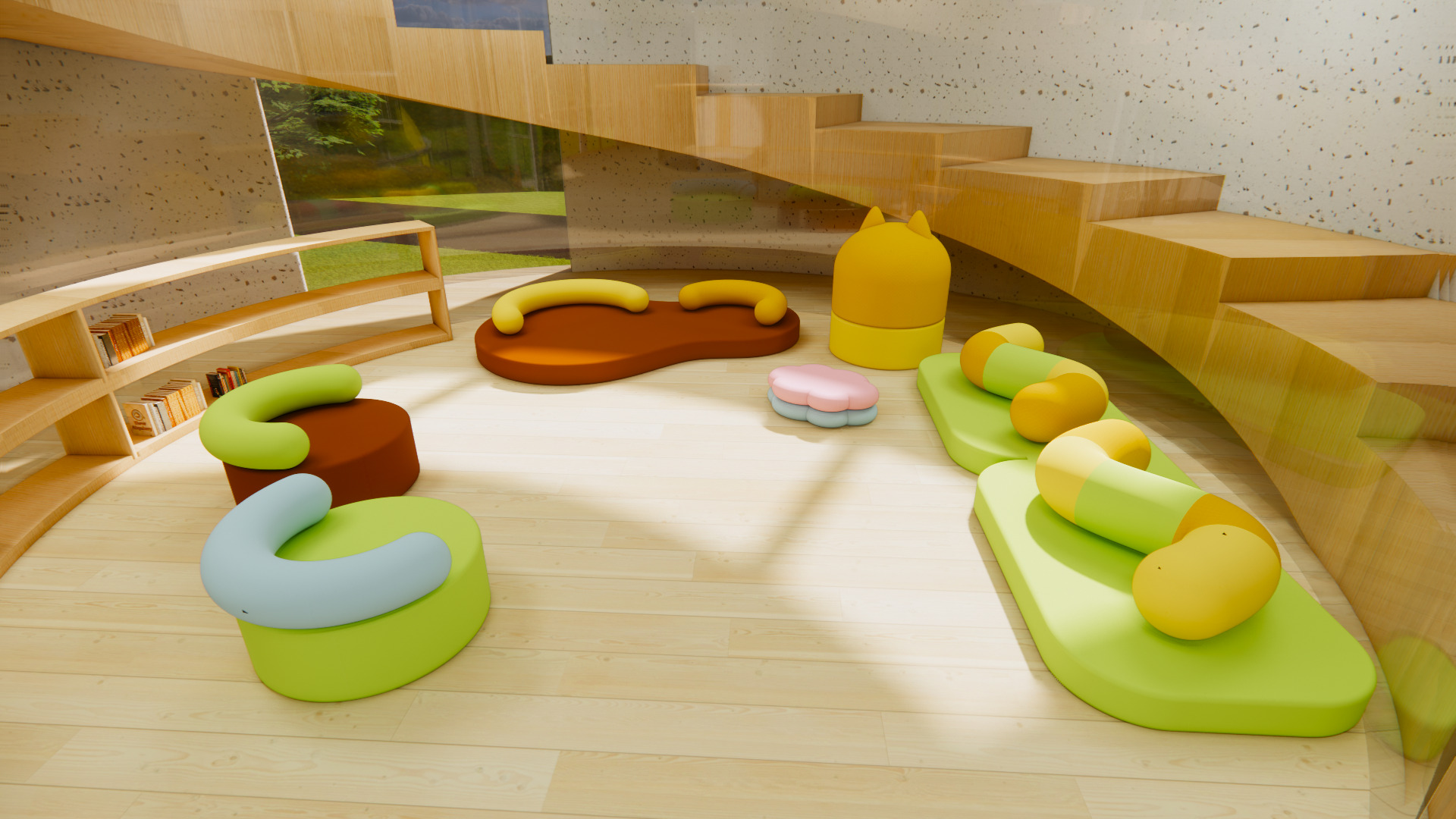
本設計以流浪動物與失親兒童的情感需求為出發,探討兩者在成長與生存過程中對於安全感與陪伴的共同渴望。失親兒童在成長過程中可能面臨情感支持不足的狀態,而流浪動物在陌生環境中亦常處於警戒與不安之中,兩者皆需要一個能暫時停留、獲得安全感的空間。因此,本設計嘗試透過空間與物件的轉譯,建立一個讓兒童與動物自然共處與互動的媒介。
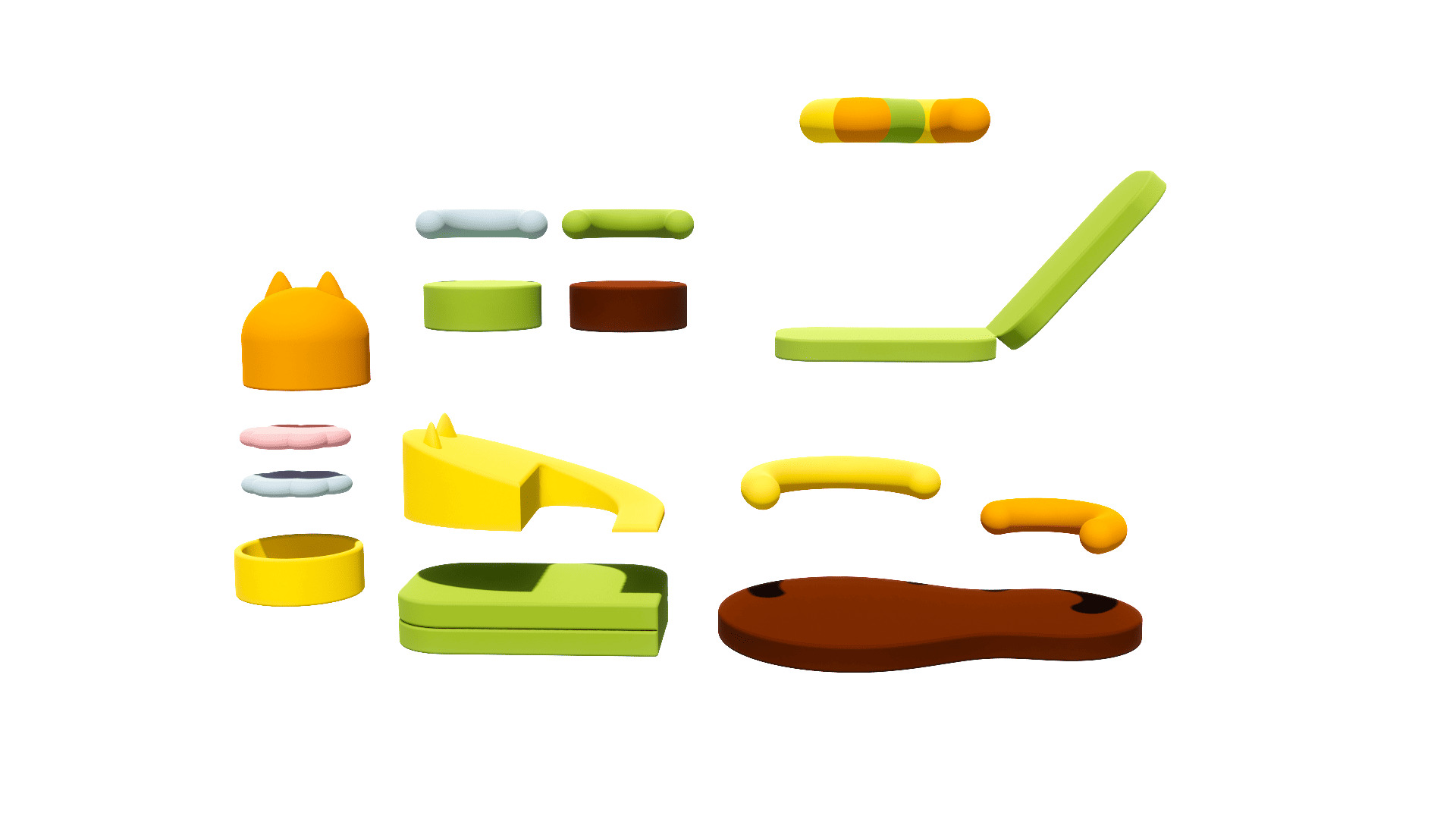
設計靈感源自兒童搭建「pillow fort」的遊戲經驗,將枕頭與棉被堆疊形成的臨時空間轉化為一組模組化軟件系統。透過柔軟且可自由組合的模組,使用者可依自身需求與想像,搭建出具包覆感的半封閉空間,不僅提供兒童閱讀、休息與遊戲的場所,也回應動物喜歡躲藏於隱蔽空間的行為特性。
本產品不僅是一件家具,更是一個可被重新組構的空間單元,使兒童在操作與建構過程中參與空間的生成,同時也為動物提供可安心停留的環境。透過這樣的設計,期望讓兒童與流浪動物在共享空間中建立陪伴關係,使情感連結在非語言的互動中自然發生。
FORT TOGETHER
This project explores the shared emotional needs of stray animals and orphaned children, both seeking security and companionship. It creates a space where they can interact, rest, and build connections.
Inspired by the idea of a “pillow fort,” the design translates children’s temporary play structures into a modular soft system. Through flexible and reconfigurable modules, users can form semi-enclosed spaces that provide a sense of safety while supporting both children’s activities and animals’ instinct to seek shelter.
More than furniture, the system acts as a spatial medium that encourages participation and interaction. By sharing this space, children and animals develop companionship, allowing emotional connections to emerge naturally through non-verbal interaction.
雲林科技大學 創意生活設計系
(四年級)
楊O儀
雲林科技大學 創意生活設計系
(四年級)
鄭O晴
雲林科技大學 創意生活設計系
(四年級) 指導老師 梁O美