【社會蜂巢🐝MBTI】MBTI的起源你知道嗎❓MBTI到底可信嗎❓受訪者vs專家 看法對對碰‼️
[Socihive 🐝 MBTI] The Origins of MBTI: Is It Actually Reliable? Respondents vs. Experts Face-Off!

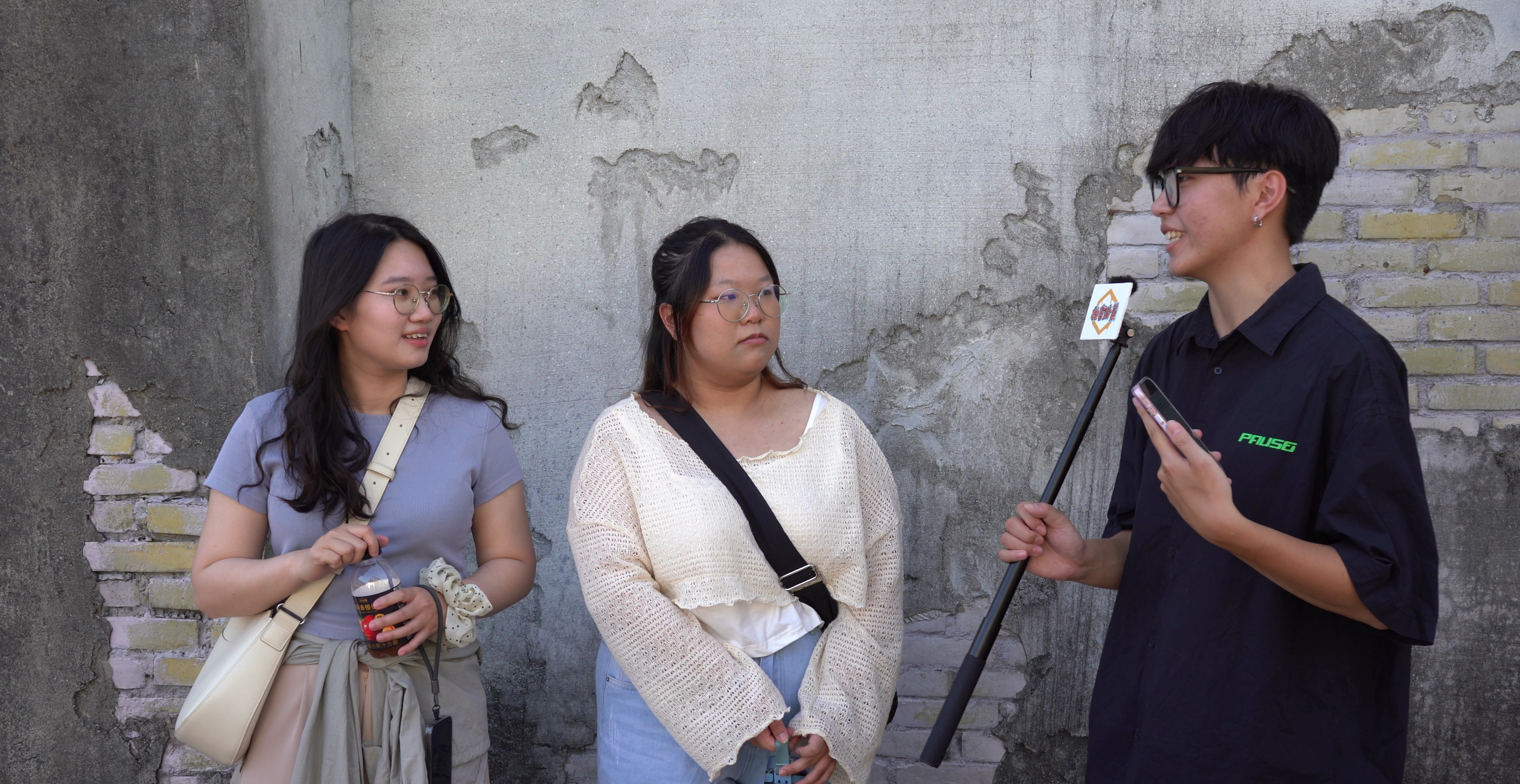



本影片旨在探討邁爾斯-布里格斯類型指標(MBTI),深入剖析其歷史淵源、公眾接受度及專家批評。MBTI最初由凱瑟琳·庫克·布里格斯(Katharine Cook Briggs)與伊莎貝爾·布里格斯·邁爾斯(Isabel Briggs Myers)根據卡爾·榮格(Carl Jung)的理論所開發,透過四個二元維度將個人歸類為16種人格類型。雖然大眾常將此工具用於自我反思與社交破冰,且往往覺得結果極具共鳴,但心理學專家對其二分法的「非此即彼」方法論提出警示。專家指出,人格特質具有流動性,若以線性光譜呈現(例如「五大性格特質」中的分類)會更為貼切。MBTI的核心價值不在於「診斷」個人,而在於提供一種基礎工具,協助人們提升自我覺察並理解自身的局限。亦在最後提出了一些建議,說明如何有效運用人格框架來促進個人發展。如:以自我探索為切入點,展開對話、辨識優勢與限制,人格助於調整生活方式、深化理解,進行更徹底的自我分析。
[Socihive 🐝 MBTI] The Origins of MBTI: Is It Actually Reliable? Respondents vs. Experts Face-Off!
This video explore the MBTI, providing an in-depth analysis of its historical origins, public acceptance, and criticism from experts. The MBTI was originally developed by Katharine Cook Briggs and Isabel Briggs Myers based on the theories of Carl Jung, classifying individuals into 16 personality types through four dichotomous dimensions. Although the general public often uses this tool for self-reflection and as a social icebreaker and frequently finds the results highly relatable—psychology experts caution against its dichotomous “either-or” methodology. Experts point out that personality traits are fluid, and that presenting them on a linear spectrum would be more accurate. The core value of the MBTI lies not in “diagnosing” individuals, but in providing a foundational tool to help people enhance self-awareness and understand their own limitations. Finally, the article offers some recommendations on how to effectively use the personality framework to promote personal development.
義守大學 大眾傳播系
(四年級)
秦O威
義守大學 大眾傳播系
(四年級)
吳O文
義守大學 大眾傳播系
(四年級)
盛O
義守大學 大眾傳播系
(四年級)
楊O欣
義守大學 大眾傳播系
(四年級)
曾O恩
義守大學 大眾傳播系
(四年級)
李O臻
義守大學 大眾傳播系
(四年級) 指導老師 曾O杰