綠能塔
Renewable Energy Tower
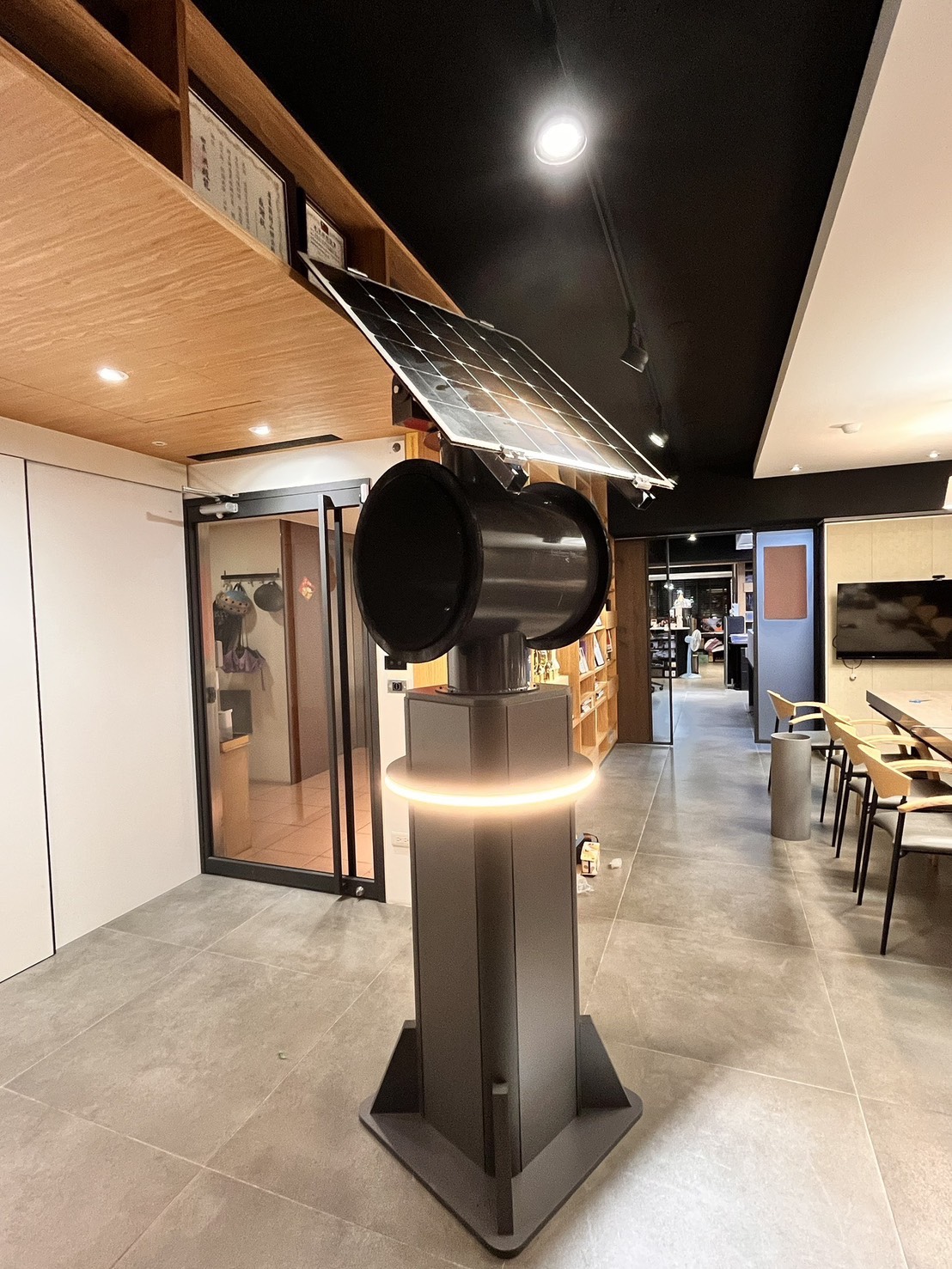
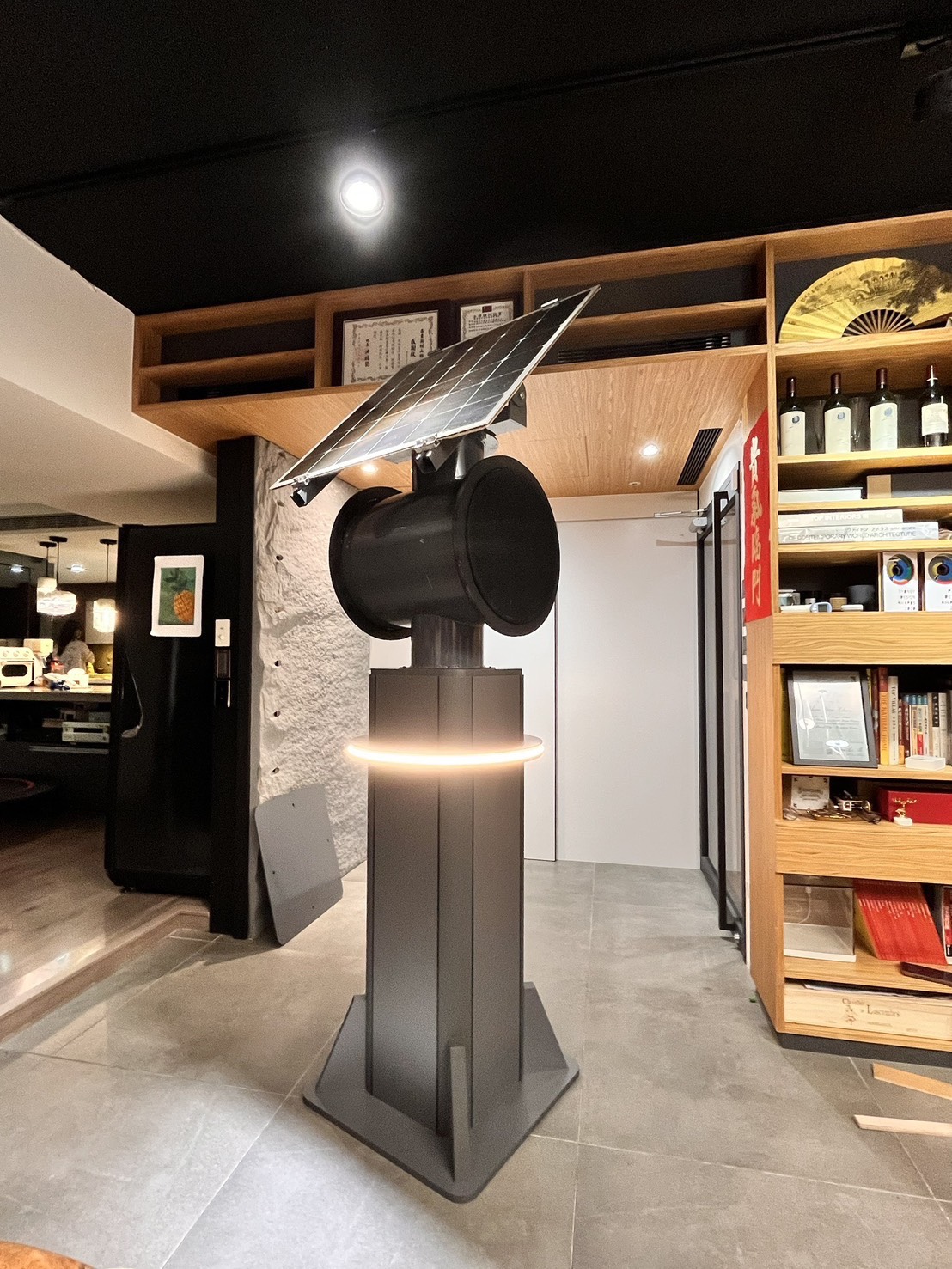
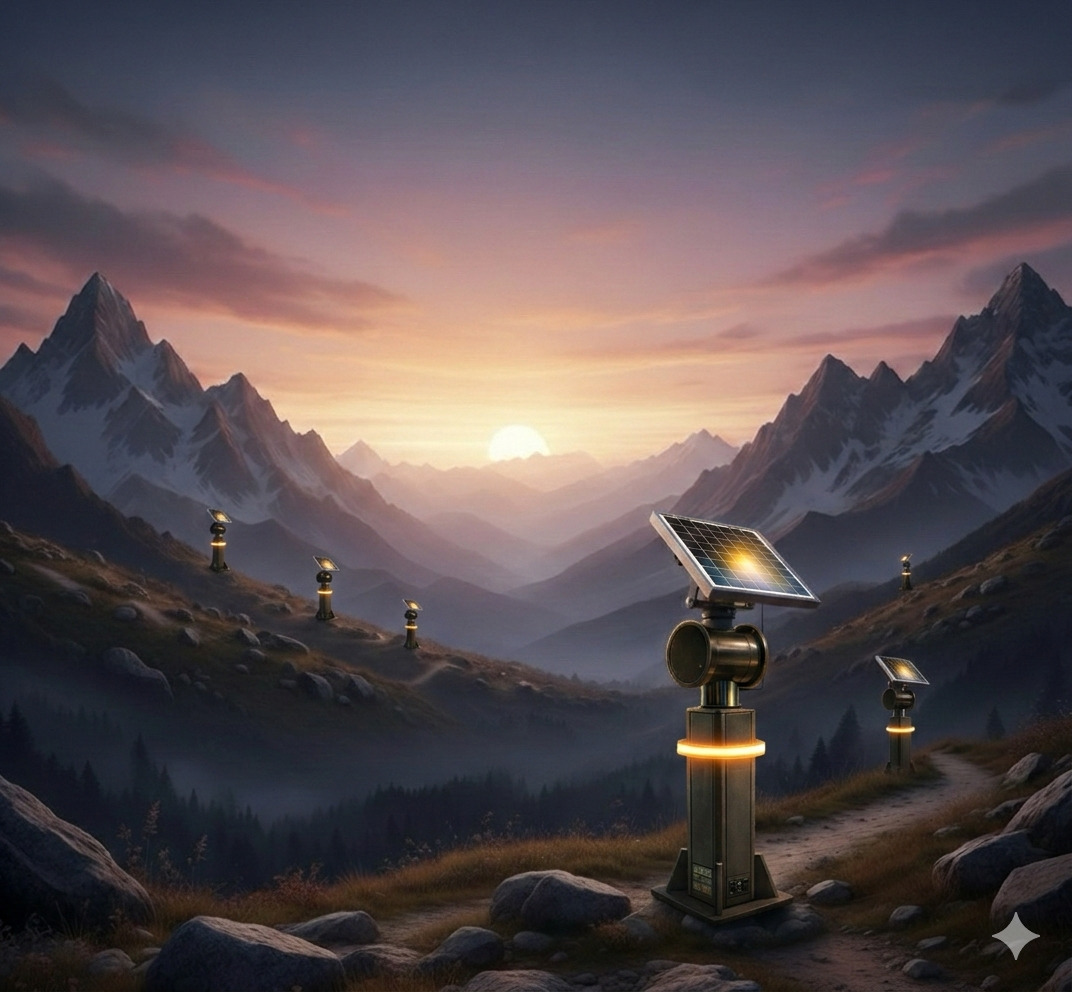
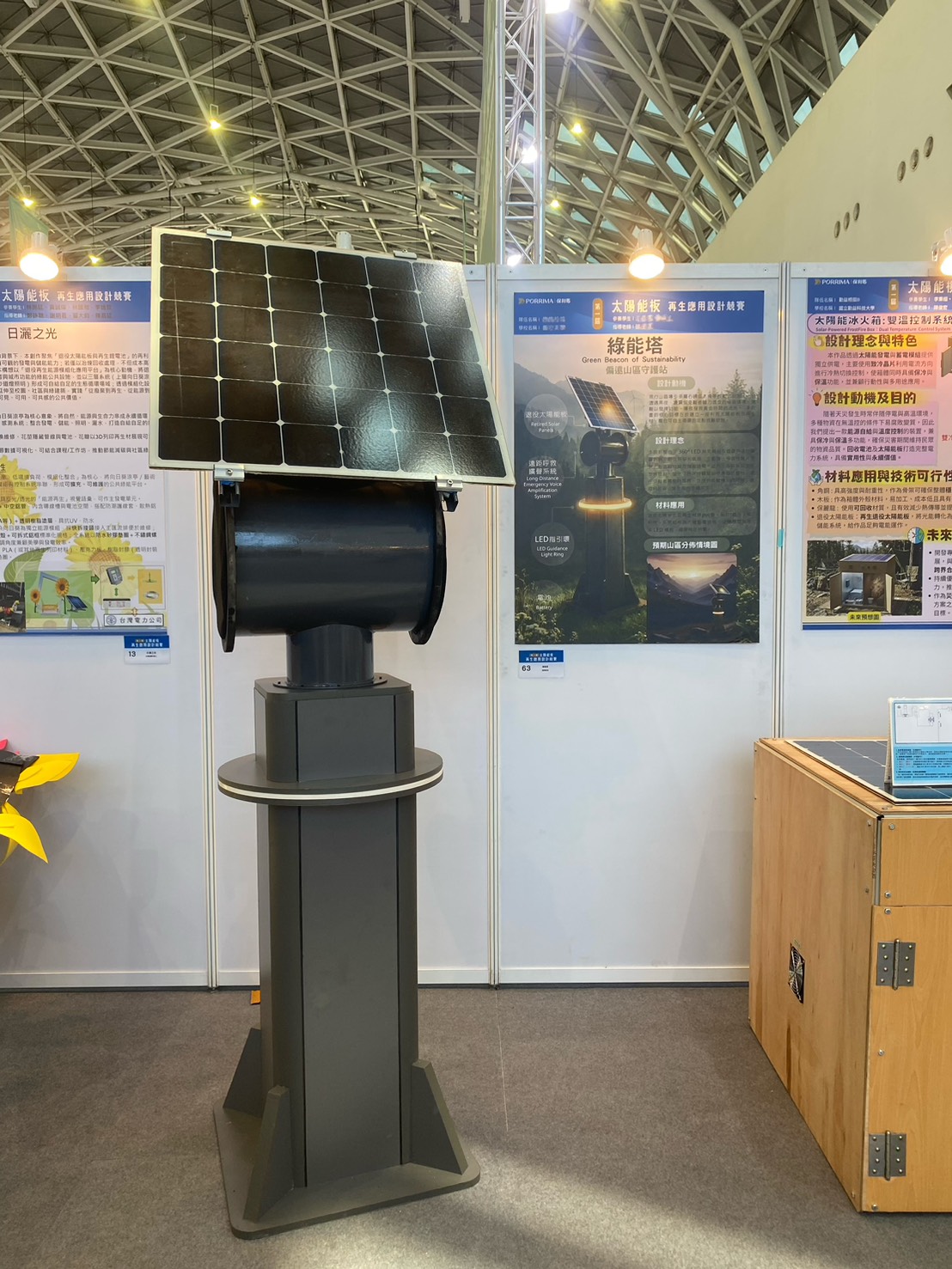
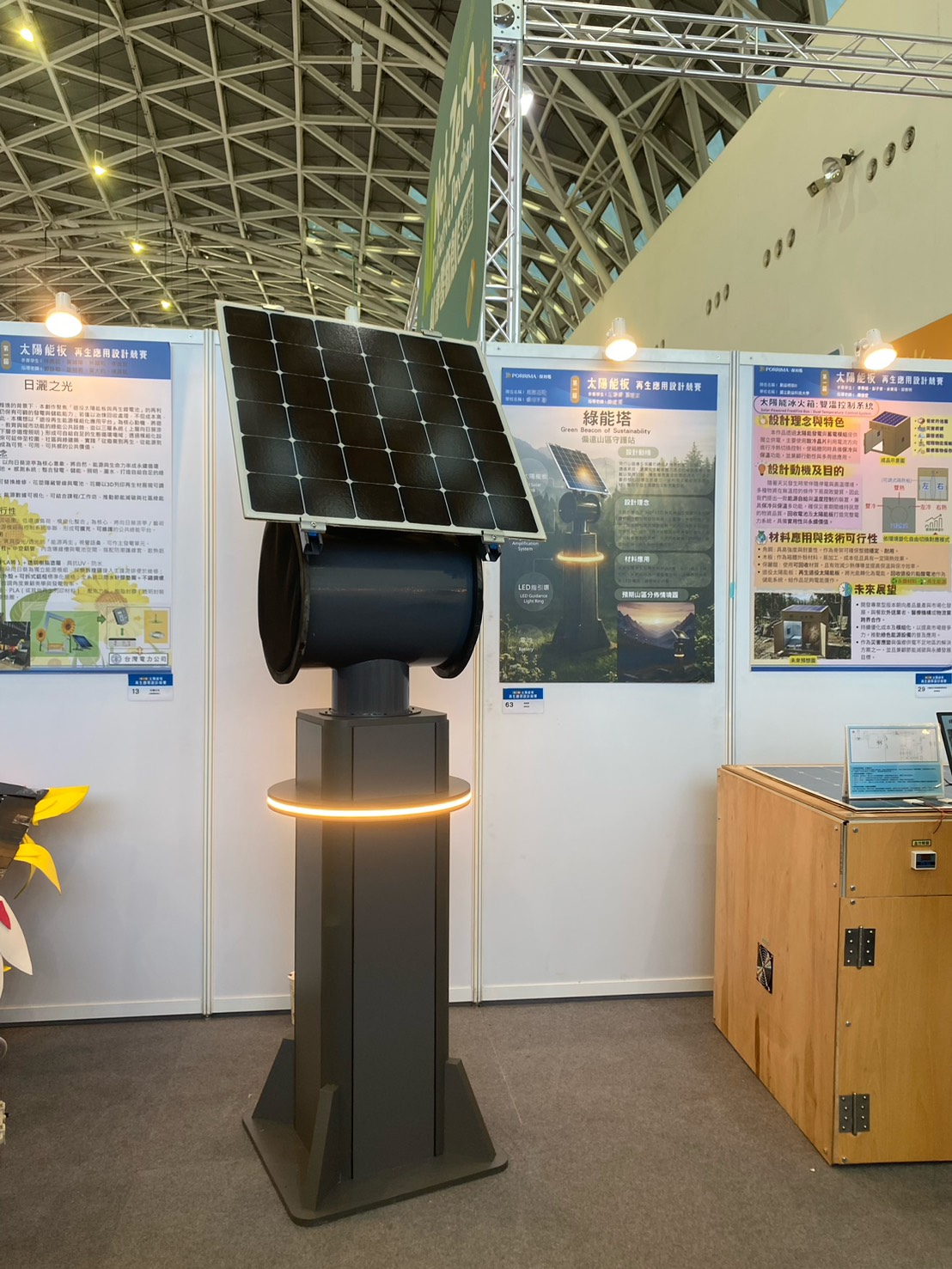
根據統計,台灣每年山難事故維持在 400 至 600 件之多 。現行山區導引多屬被動式的石碑或木牌,一旦面臨黑夜、濃霧或受難者體力透支等極端情境,往往難以發揮效用 。在深山搜救中,撥通求救電話往往只是行動的開始,真正的挑戰在於受難者「如何被看見」 。當受難者因傷重或失溫而無法持續呼喊時,手機訊號仍難以提供即時的實體定位引導,這便是「綠能塔」設計的核心 。本產品賦予「退役太陽能板」二次生命,利用其殘餘電力在離網環境下穩定供電 。它整合了 360 度 LED 指引燈環與高分貝擴聲系統,能發出具穿透力的主動聲光信號,有效縮短搜索時間 。為了落實生態平衡,系統採觸發式設計,燈光平時關閉以減少對棲地的干擾,僅在受難者激發時啟動 。綠能塔在關鍵時刻能成為受難者的「替身」 。其定點聲光信號不僅能導引遠方搜救隊,更能讓附近的居民或山友及早發現,在黃金時間內先行介入救援,降低對大型搜救資源的依賴 。透過資源再生與智慧系統的結合,本作品為山區建立起第一線的在地互助網,實踐循環經濟與公共安全結合的設計價值 。
Renewable Energy Tower
With 400-600 annual mountain accidents in Taiwan, passive signs often fail in extreme conditions , and while phones allow calls, the true challenge is "how to be seen" when a victim is exhausted , which is why the Renewable Energy Tower addresses this gap by providing active physical guidance. Powered by retired solar panels with 50% residual efficiency, the tower offers stable off-grid energy , featuring a 360-degree LED ring and voice amplification to emit penetrating rescue signals. To minimize ecological impact, the system is trigger-based. Ultimately, the tower acts as a "stand-in" for the victim, guiding rescue teams and alerting nearby residents for immediate intervention , thereby establishing a local mutual-aid network that reduces the need for massive rescue deployments while merging circular economy principles with life-saving technology.
義守大學 創意整合設計學系
(三年級)
蘇O文
義守大學 創意整合設計學系
(三年級) 指導老師 陳O男