蟻后再見
The End of the Queen
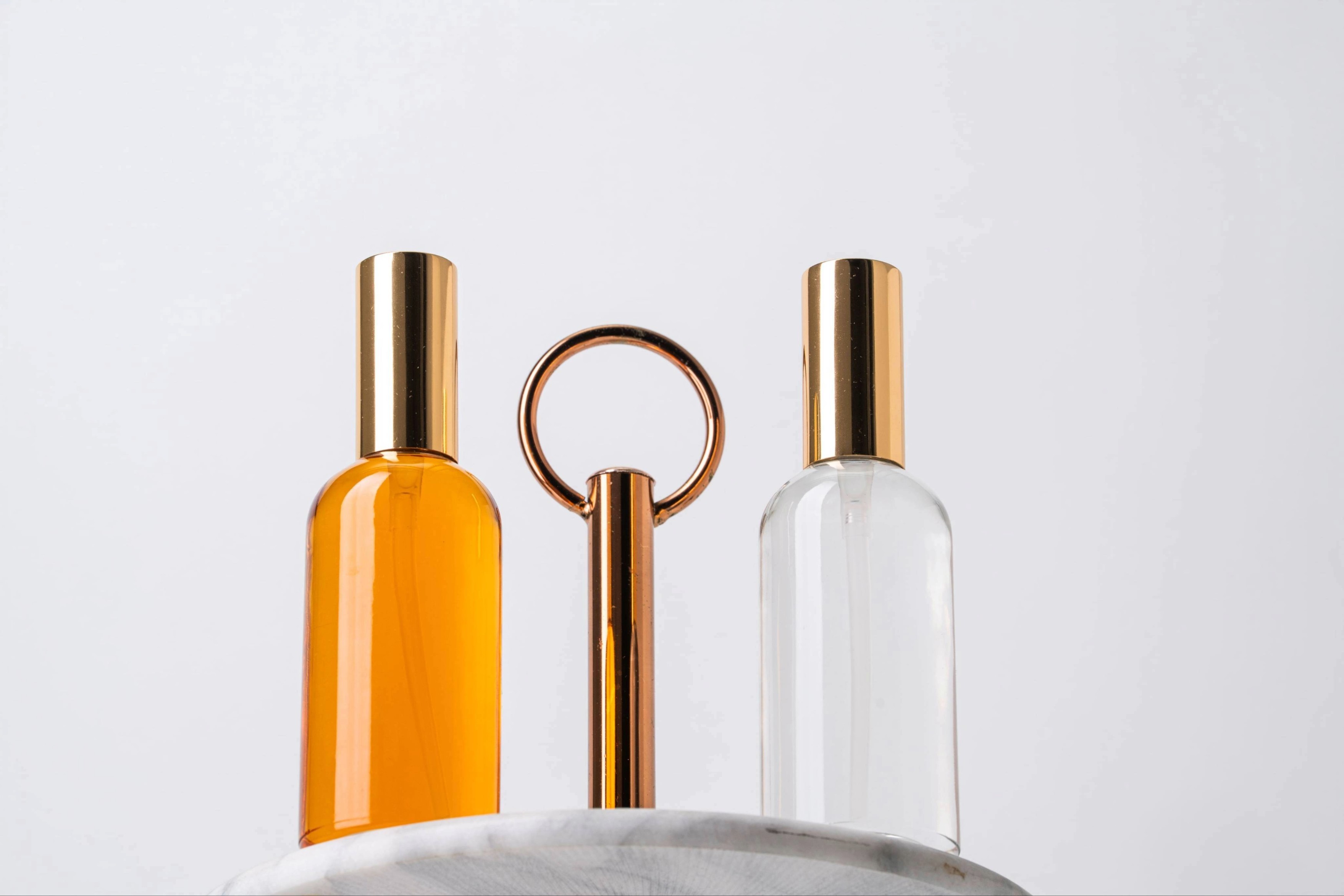
本研究旨在評估「柳杉下腳料」轉化為天然忌避劑的潛在功效。基於循環經濟理念,將原本廢棄的木材資材轉化為具生物活性的防治藥劑,藉此確認特定建材萃取物對黑頭慌蟻的生物活性與有效濃度,為居家環境的「綠色防治」提供科學基礎與實務應用建議。
研究重點在於測試台灣商用木材與家具剩餘資材對黑頭慌蟻族群的影響。實驗顯示,柳杉心材經減壓濃縮所得之甲醇萃取物,在 1000 倍稀釋液下具備顯著的忌避效果,能有效減少處理區域內的螞蟻分布數量。此舉不僅能提升商用木材的利用率,更能發展出對環境與人體無害的防治手段,作為化學殺蟲劑或餌劑的替代方案。
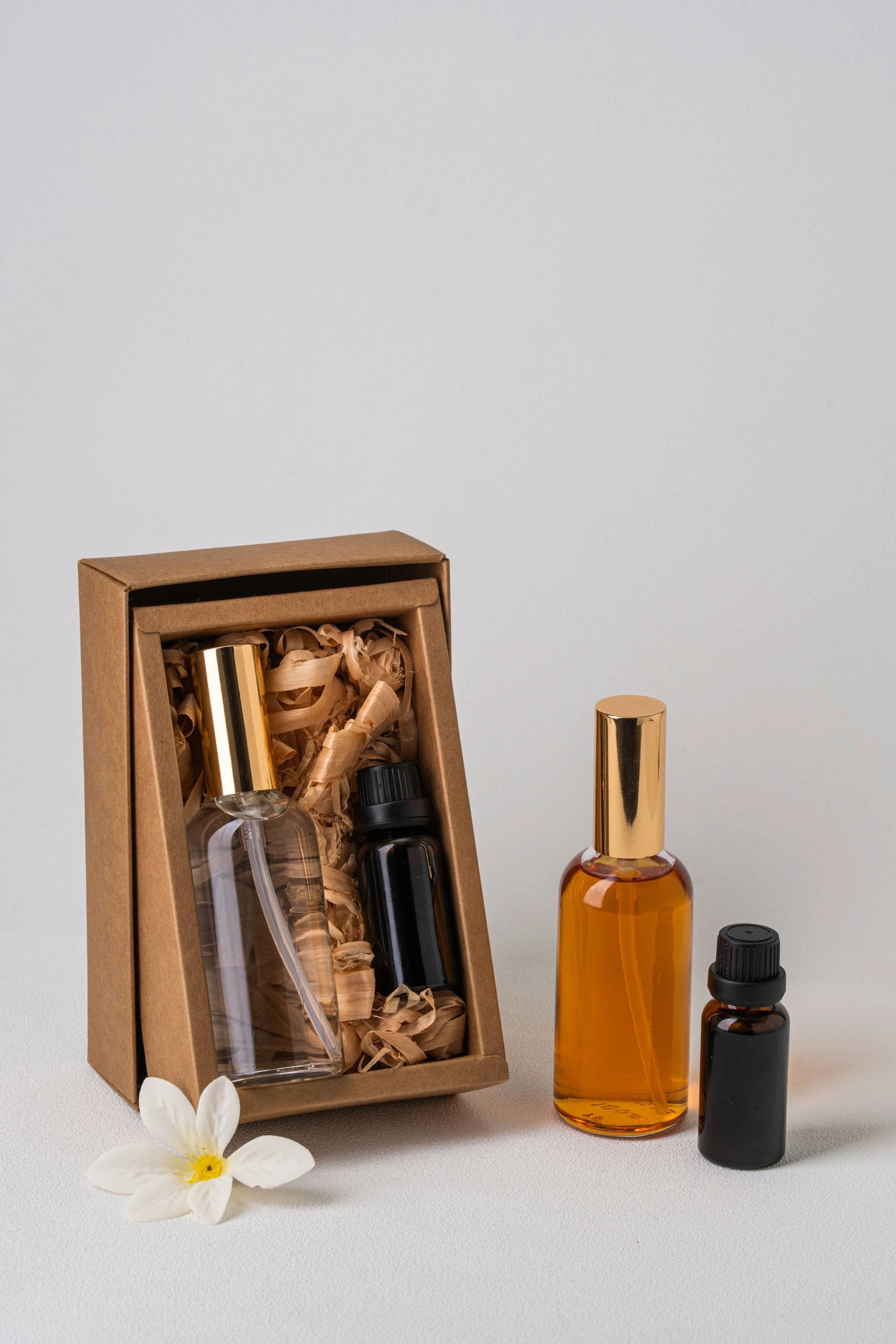
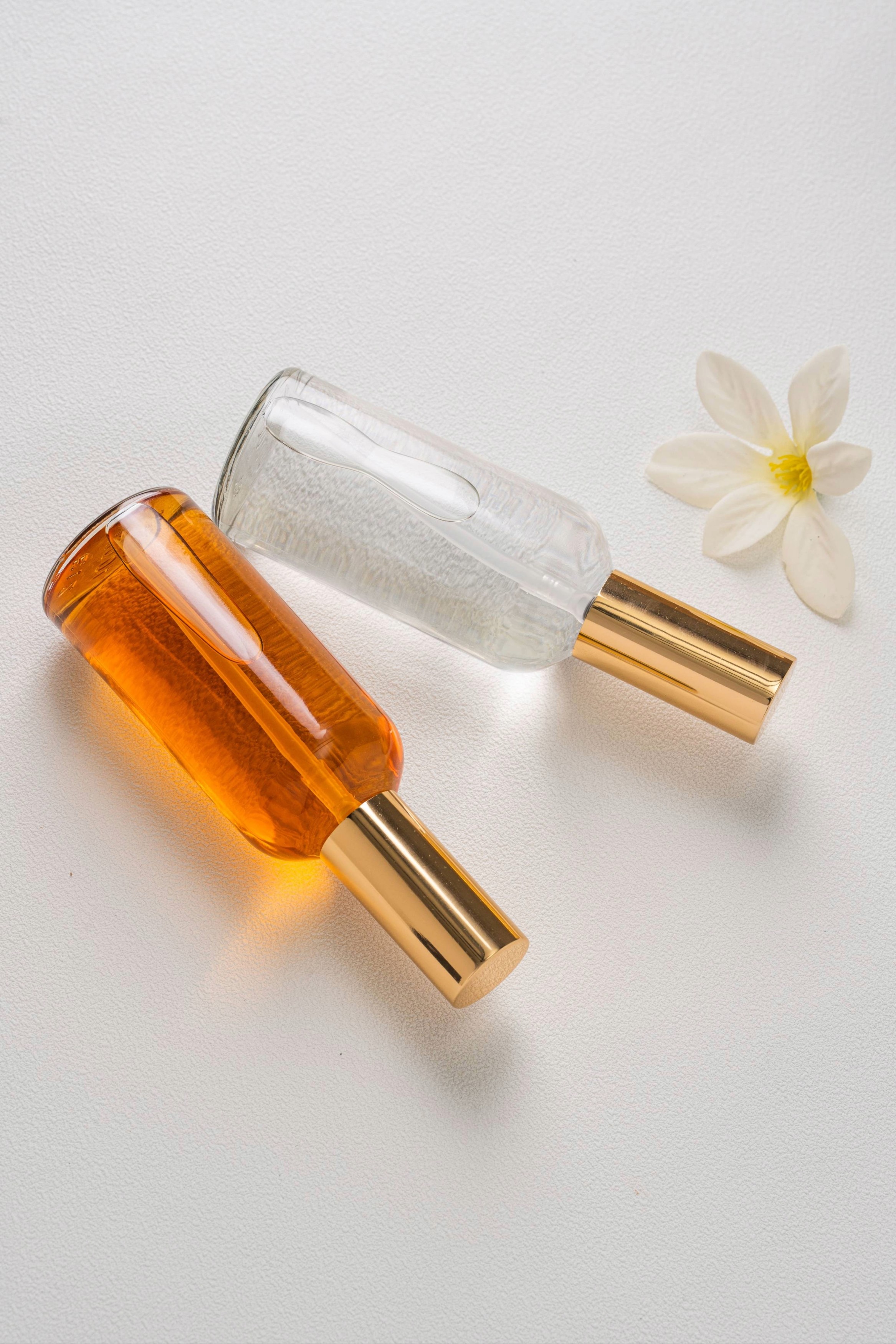
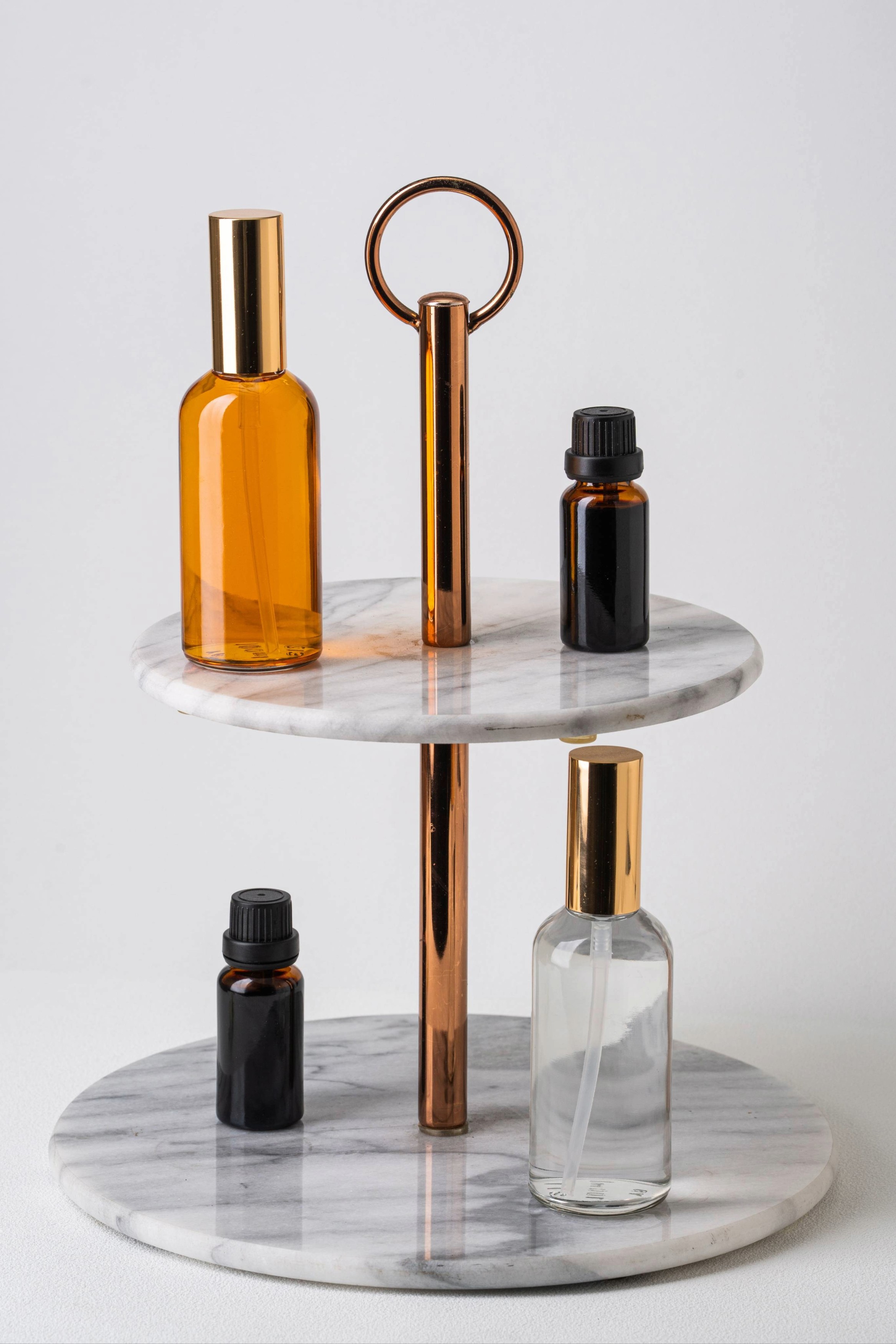
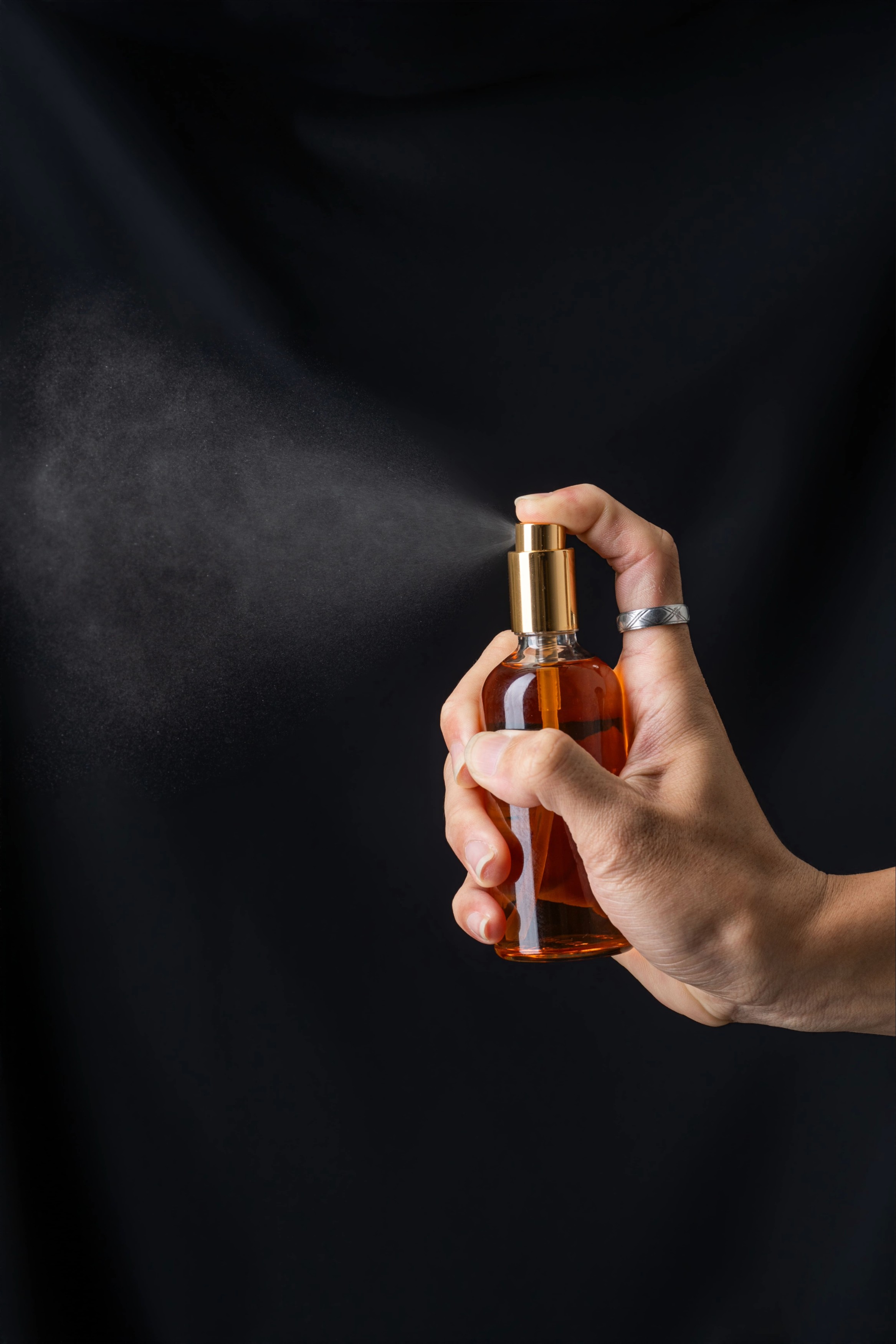
在實務應用方面,本研究設計了一套便捷的調配系統:將萃取原液封存於 20mL 精油瓶中,搭配 100mL 酒精噴瓶使用。使用者可透過 1.0 流速滴塞精準控制滴數,於噴瓶中自行調配所需濃度,兼具操作彈性與環境友善性。
The End of the Queen
This study evaluates Japanese Cedar (Cryptomeria japonica) waste as a natural repellent against ghost ants (Tapinoma melanocephalum). By applying circular economy principles, wood scraps are repurposed into bioactive materials to replace synthetic chemicals. Results show that a 1:1000 dilution of heartwood methanol extract significantly reduces ant distribution, confirming its potent repellent efficacy.
For practical application, the extract is packaged in 20mL bottles equipped with a 1.0 flow rate dropper. This allows users to precisely control the dosage when mixing with alcohol in a 100mL spray bottle. This sustainable approach enhances timber utilization and provides an eco-friendly, safe alternative for household pest management.
屏東科技大學 木材科學與設計系
(四年級)
謝O家
屏東科技大學 木材科學與設計系
(四年級) 指導老師 林O宗
吳O霖