廂扶而行
Priority Seats
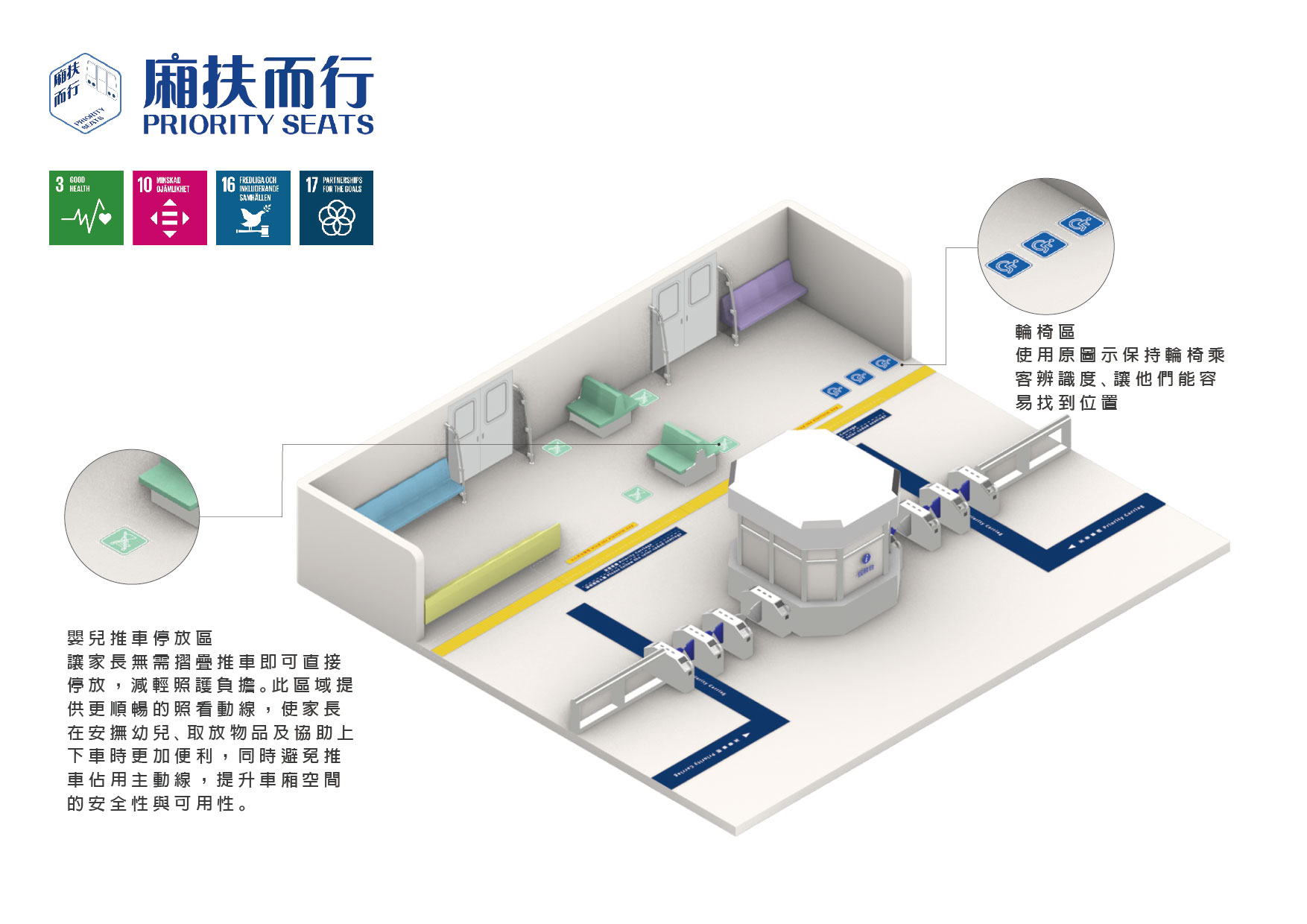
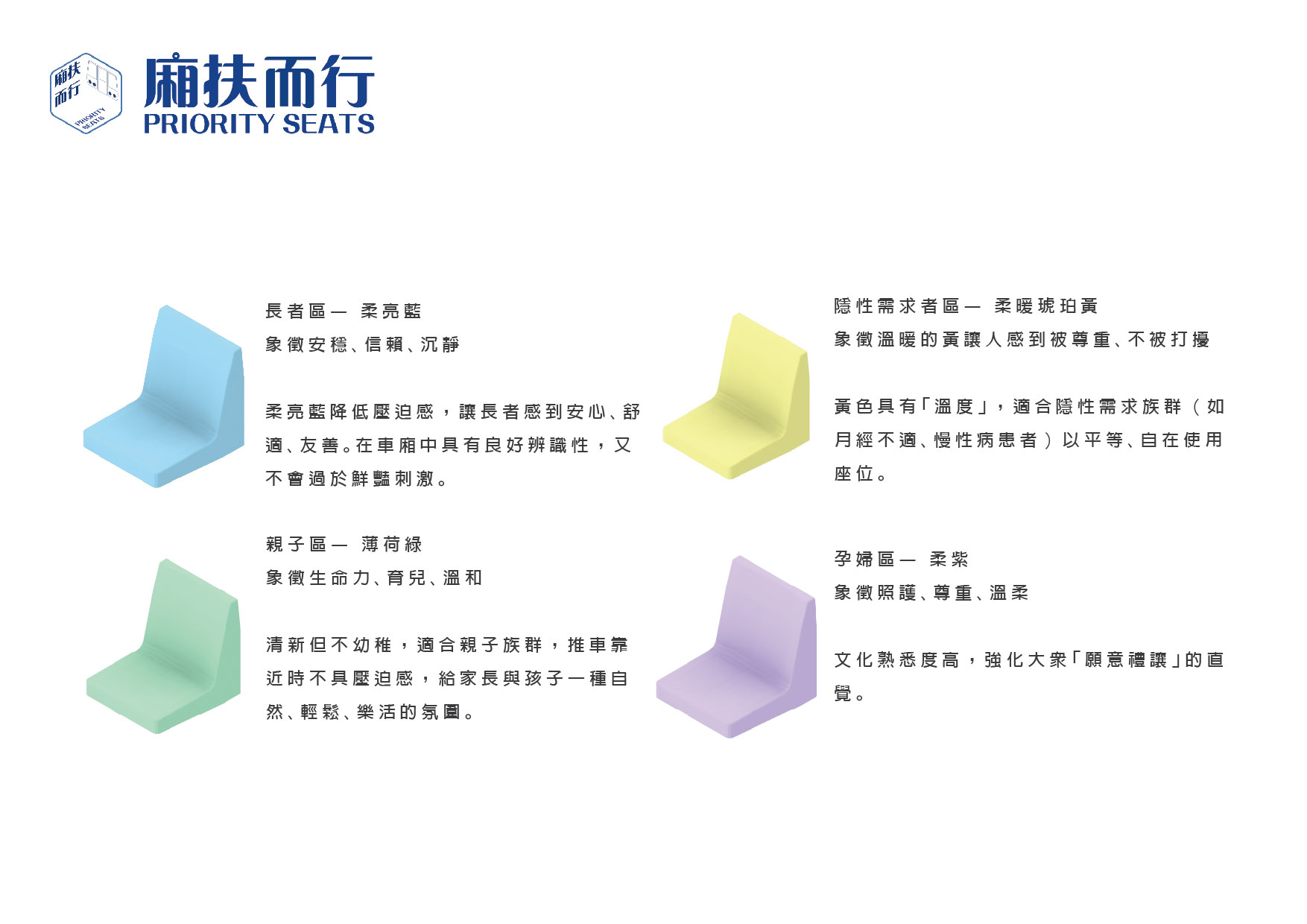
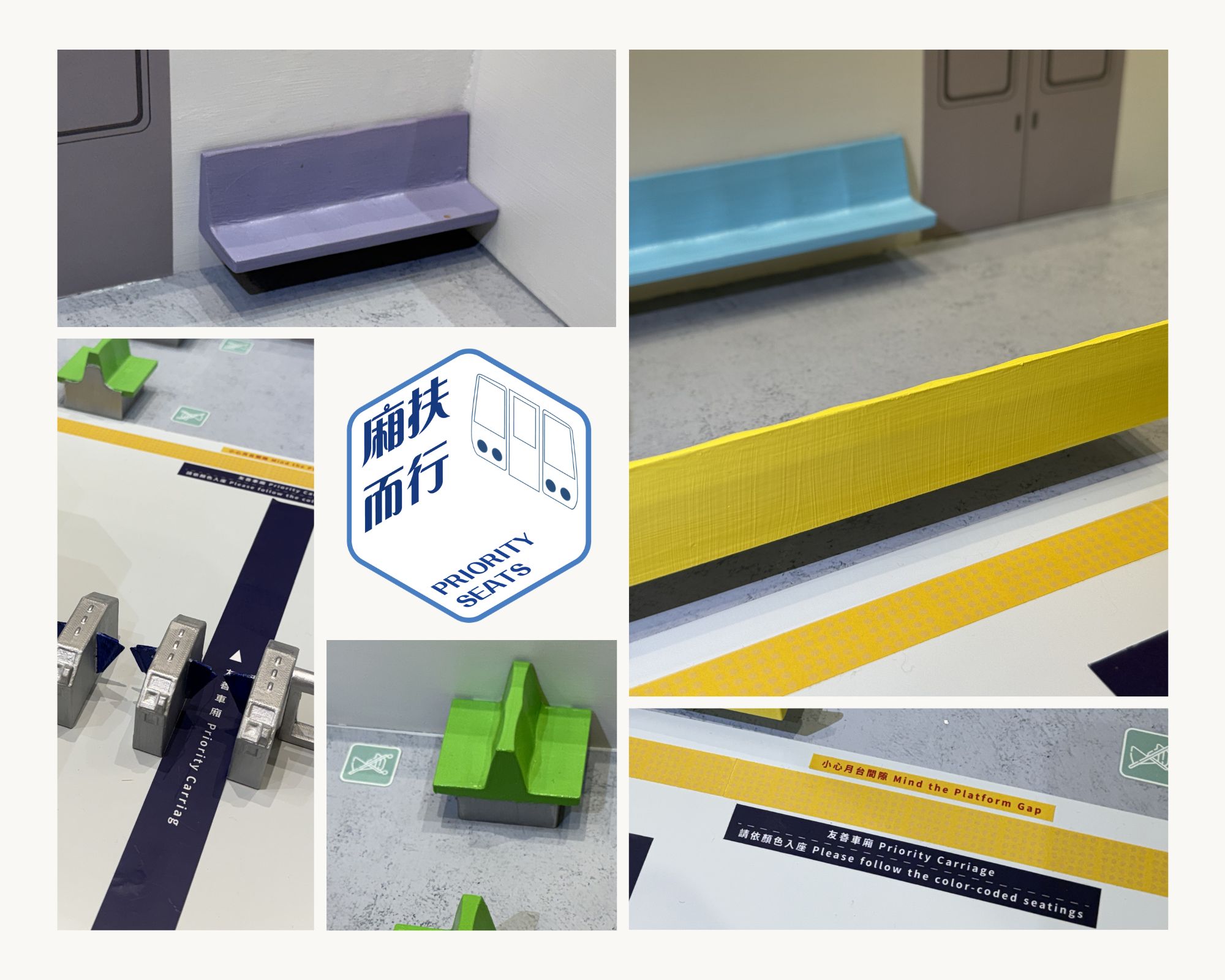
以優先座長期存在的社會認知落差、道德期待壓力與公共禮儀模糊性為研究,透過觀察公共運輸情境中的實際使用行為、乘客互動模式與相關爭議案例,發現現行制度多以身分識別作為讓座依據,過度依賴外顯特徵(如年齡、外觀),卻忽略乘客之間多元且難以被直接辨識的隱性需求(如暫時性不適、慢性疾病、心理壓力等)。
此種基礎的判斷機制,導致價值判斷衝突、道德綁架現象與社會壓力累積,使乘客在是否讓座與是否有資格使用之間產生猶豫與焦慮。不僅降低優先座的實際使用效率與資源配置合理性,不僅造成優先座的實際使用率降低,也影響公共空間中的互動品質與心理安全感。
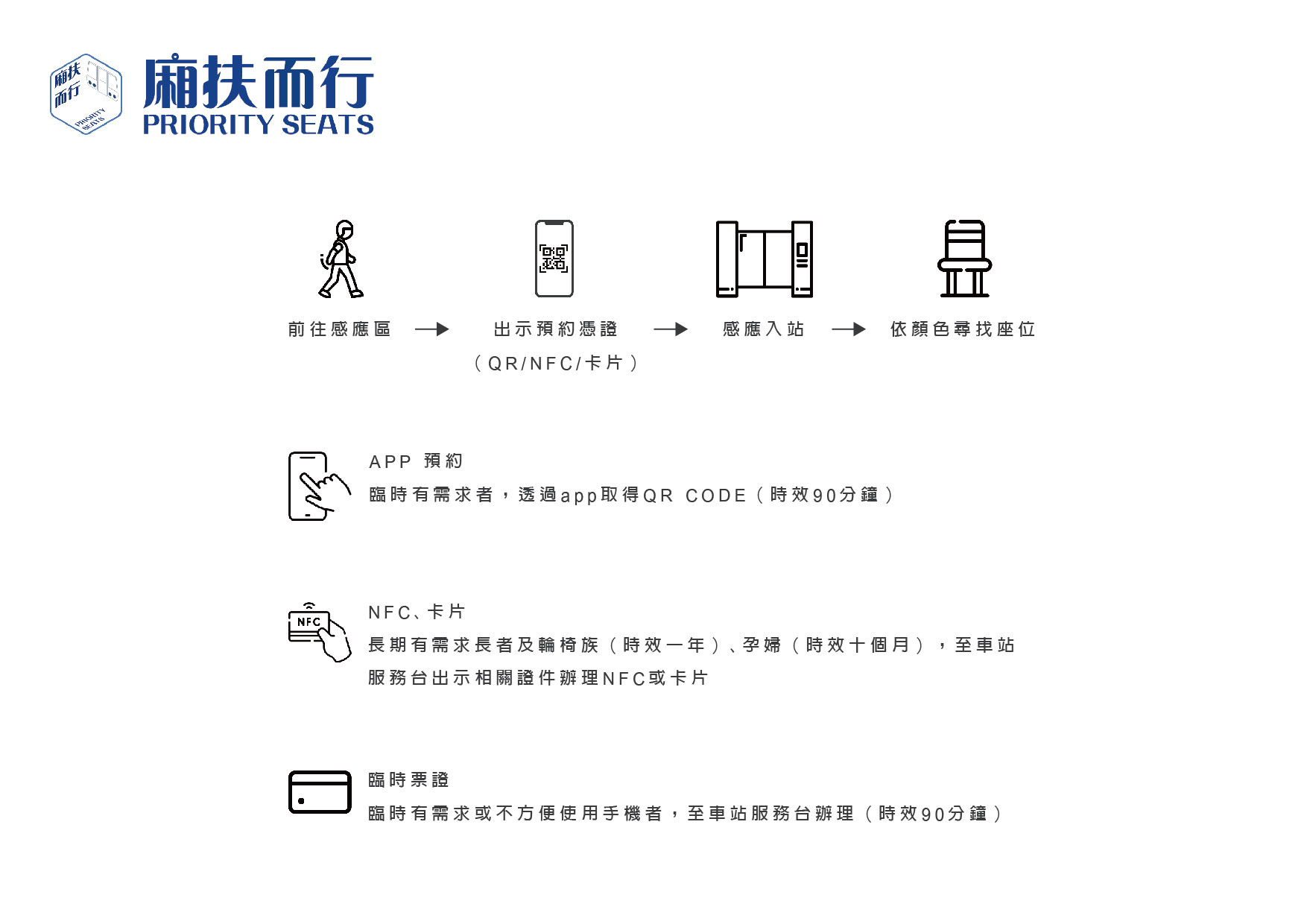
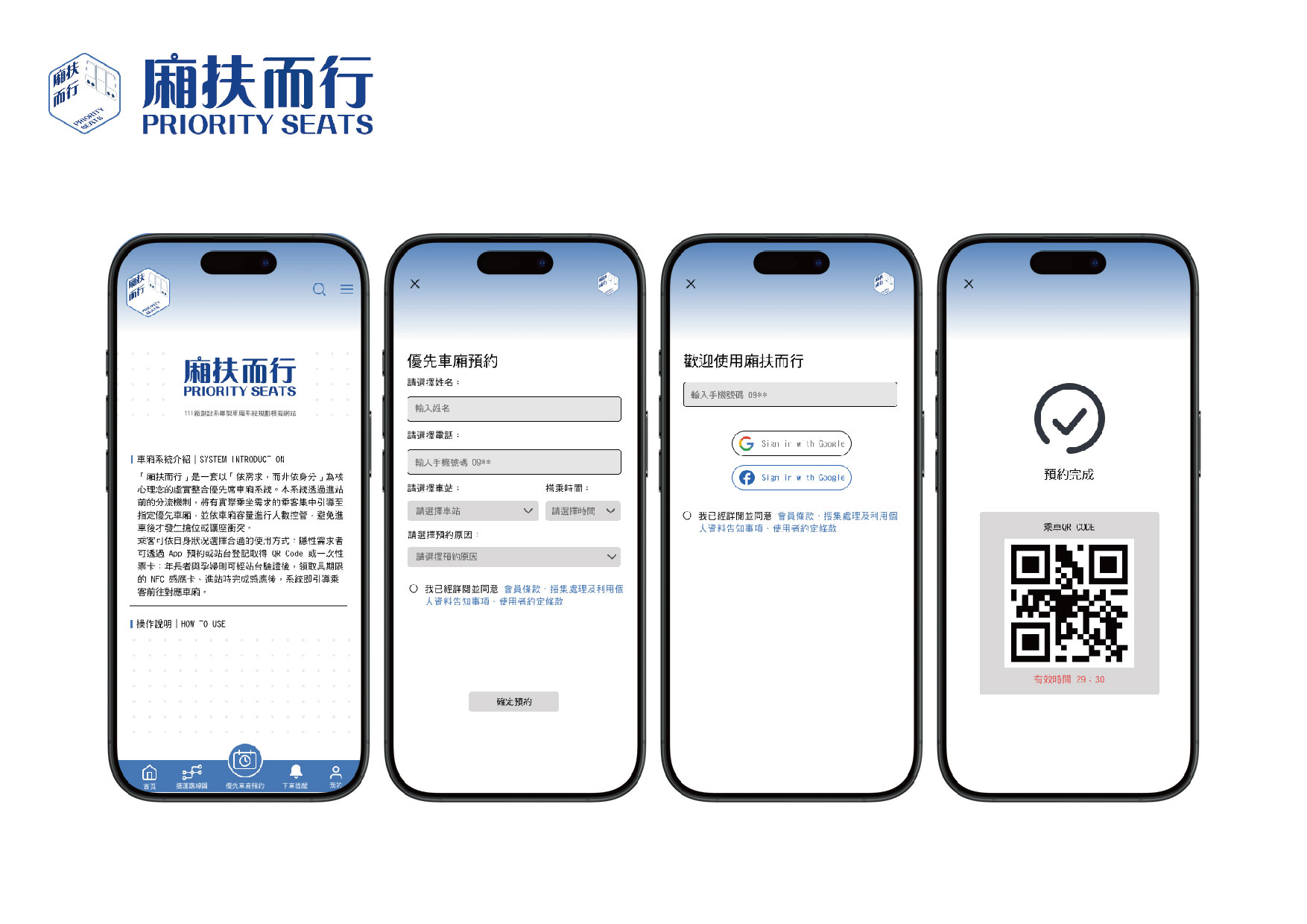
因此,廂扶而行以「依需求,而非依身分」為設計理念,製作一套結合數位技術與實體介面的虛實整合系統。透過需求導向的乘車識別機制,降低乘客之間的主觀判斷與道德負擔。
在創新層面,本設計突破傳統以標示與宣導為主的改善方式,以行為引導+系統輔助為主,將抽象的社會倫理議題轉化為具體的使用體驗設計。
Priority Seats
This study examines priority seating issues, focusing on social perception gaps, moral pressure, and unclear public etiquette. Observations of user behavior and disputes in public transport show that current systems rely on identity-based recognition, emphasizing visible traits such as age and appearance while neglecting hidden needs, including discomfort, chronic illness, and psychological stress.
This leads to value conflicts, moral pressure, and hesitation over whether to give up or use a seat. It reduces efficiency, lowers usage, and affects social interaction and psychological safety.
In response, Priority Seats adopts the concept of “prioritizing needs over identities.” It proposes a hybrid system integrating digital technology and physical interfaces, reducing subjective judgment and moral burden.
The design shifts from signage-based solutions to behavioral guidance and system support, transforming abstract ethical issues into tangible user experience.