空窗期
WINDOW PERIOD
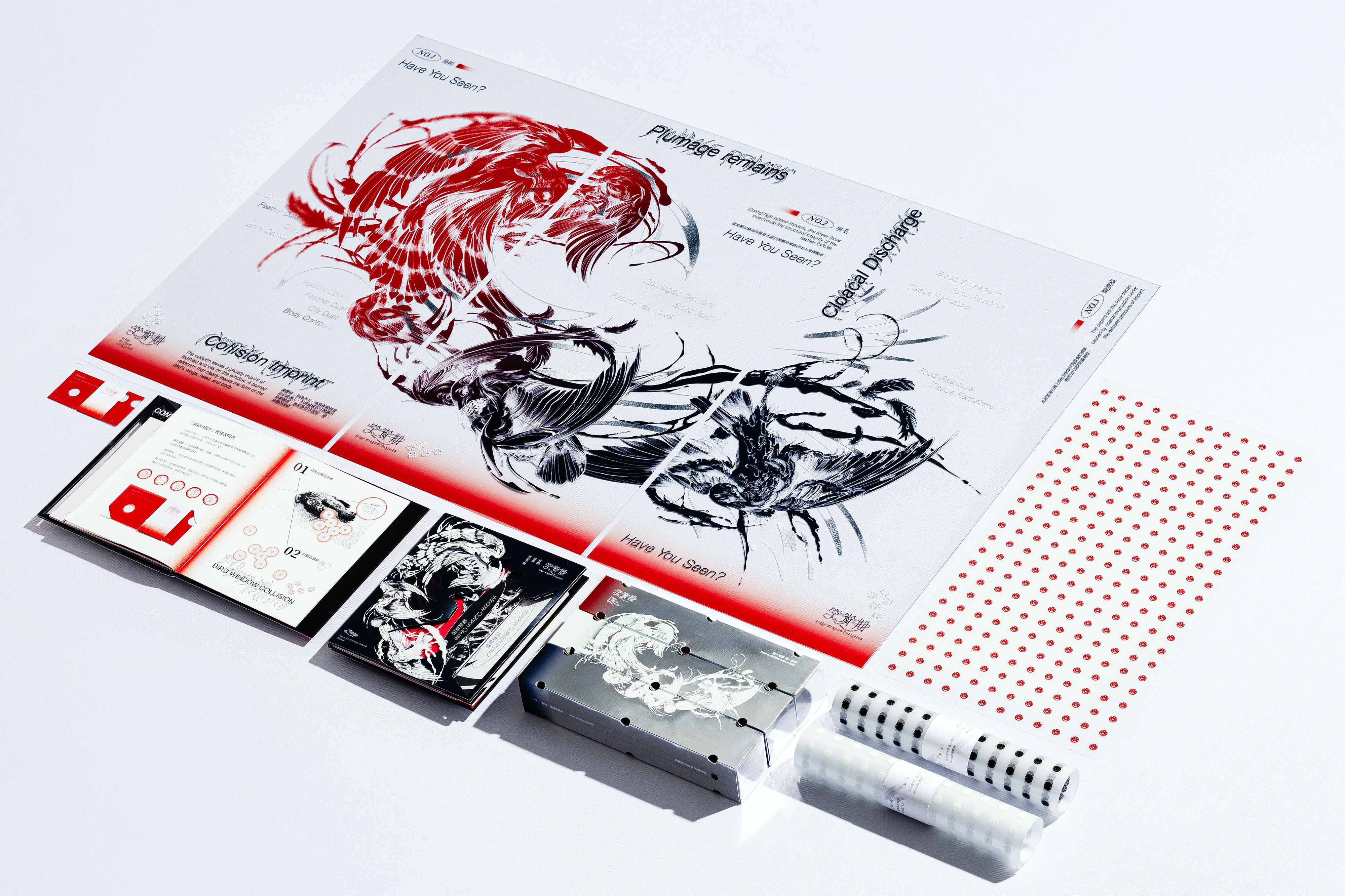
窗殺是鳥類因玻璃的透明與反射特性,誤判為可飛行空間,撞擊窗面而死亡的非自然原因之一。
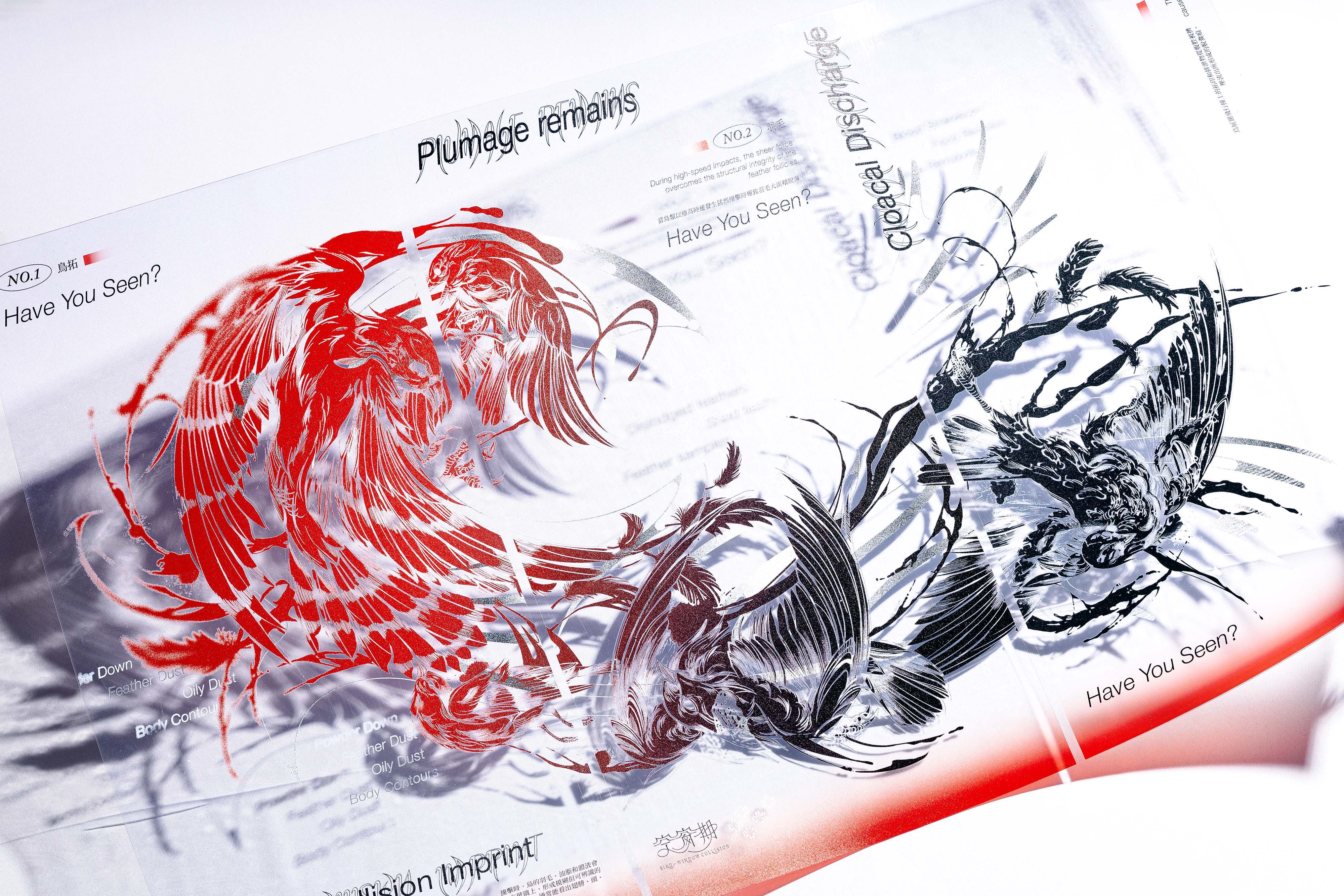
「空窗期」以吸引、了解、解決為設計流程,透過宣傳海報引發關注,結合手冊深化認知並導入解方,引導大眾逐步參與窗殺防治。
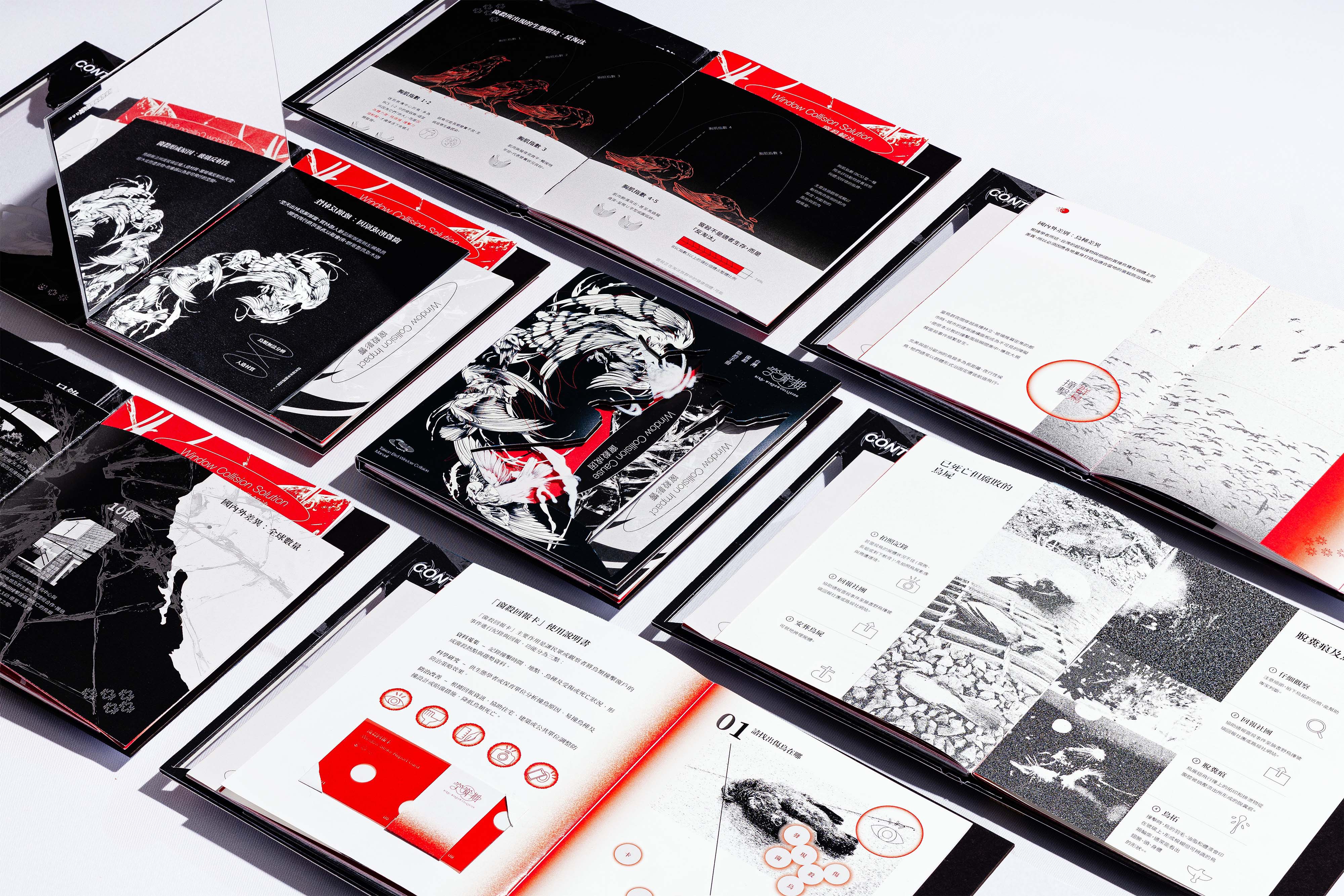
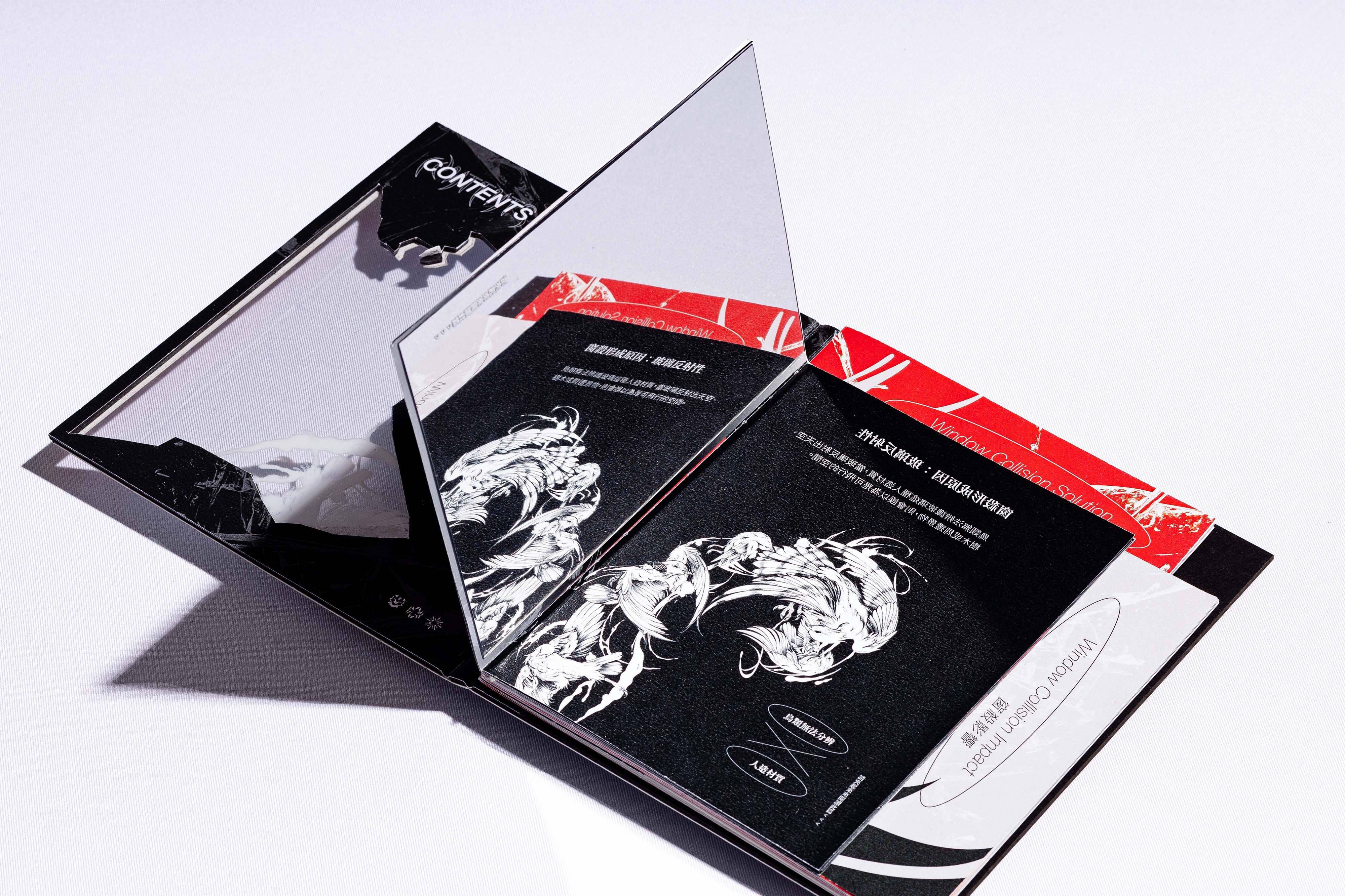
為強化溝通層次,我們編排窗殺防治手冊,從「成因、影響、解決」三面向切入:
運用紙材特性使抽象概念具象化、將數據轉譯為資訊圖表,降低理解門檻以及提供具體且可實踐的防治方式,建立行動連結。
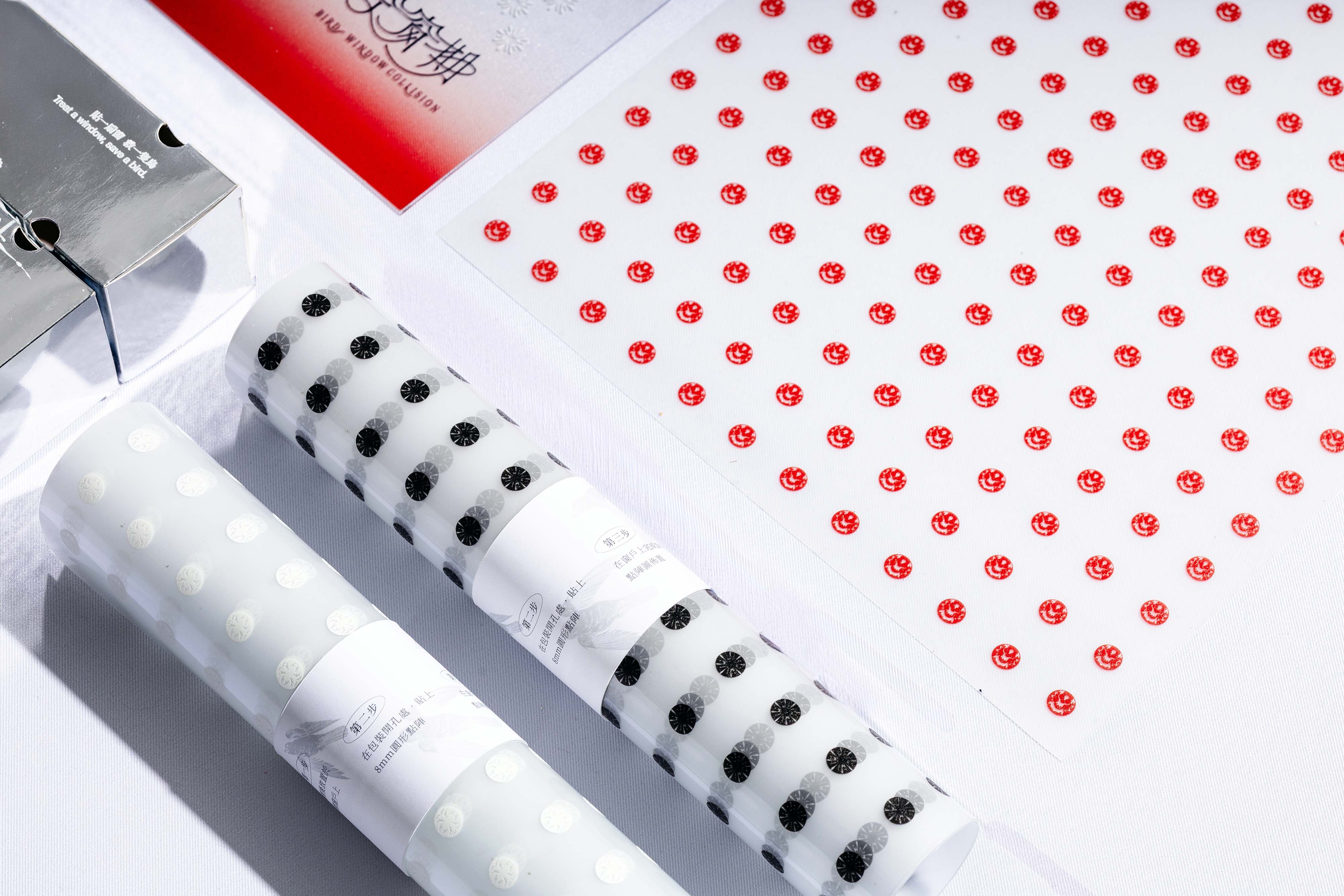
而窗貼則能有效減少窗殺發生,「空窗期」設計出點陣型防鳥窗貼,
窗貼在遠看時能阻斷鳥類視覺誤判,近看展現與窗殺相關鳥拓、羽毛、脫糞痕的設計元素,
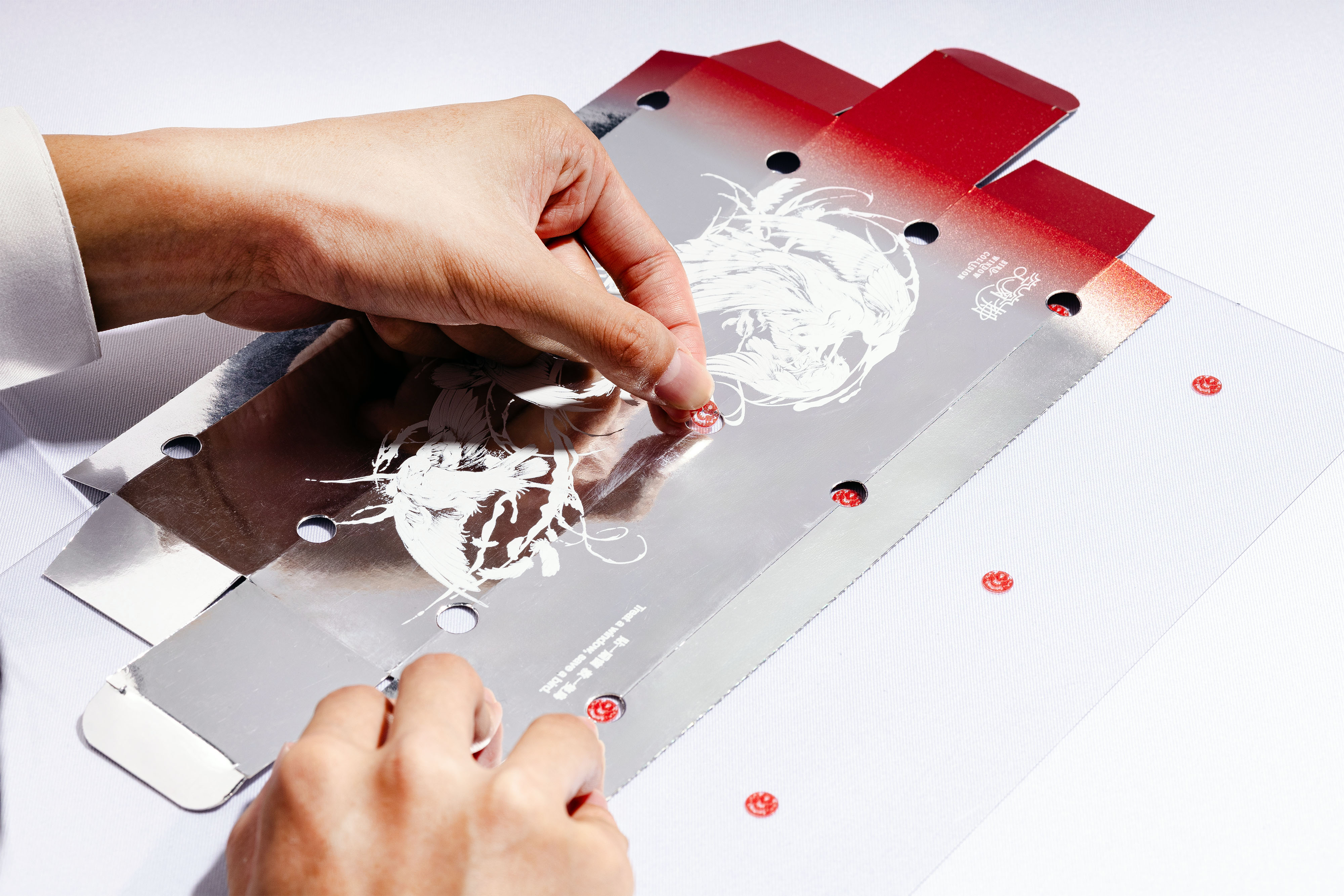
矩陣在貼置時距離應遵循專家制定「5x10公分的防撞規範」,進而達到最佳防鳥撞效果。
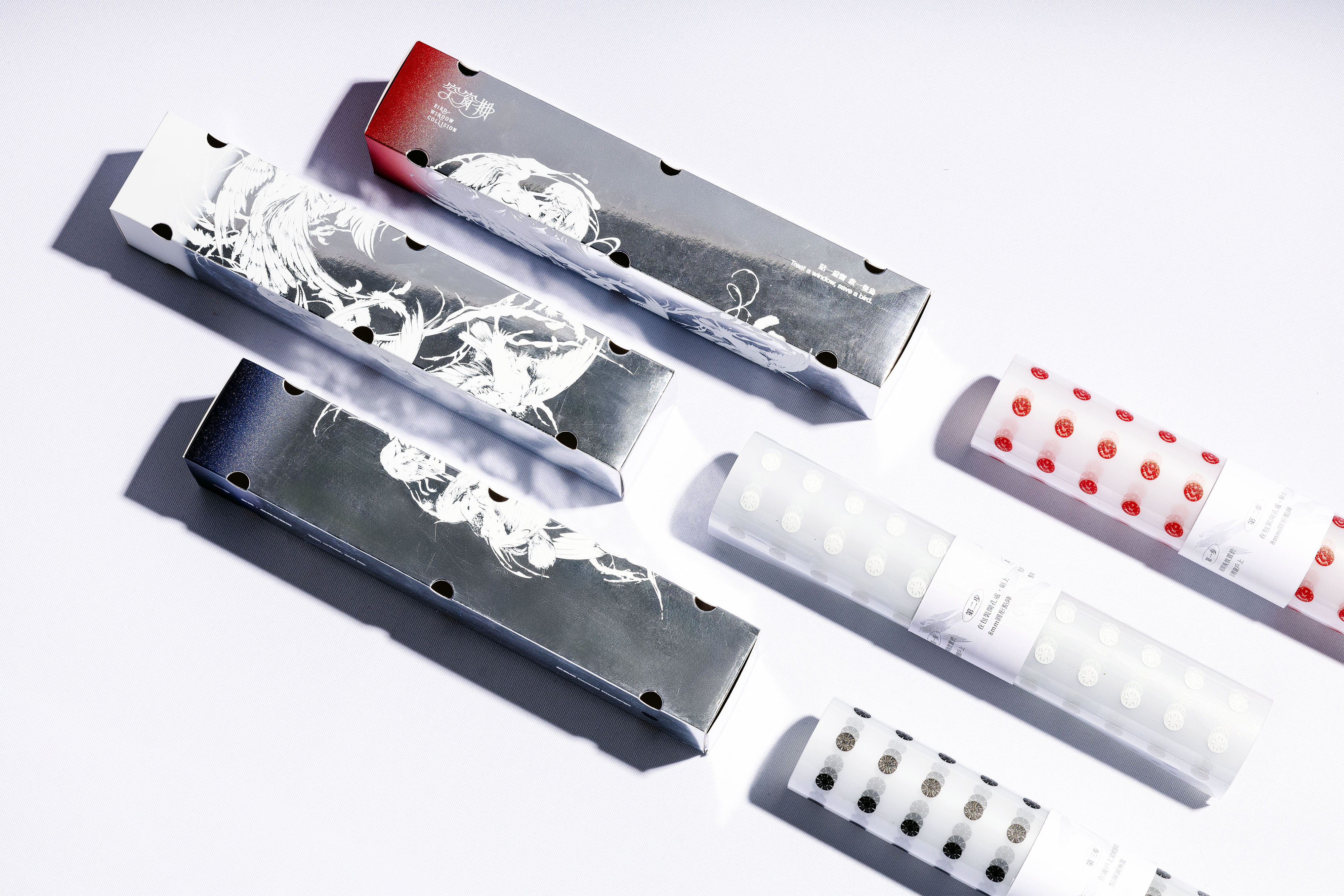
包裝設計除了能完整保護好產品更是定位工具,
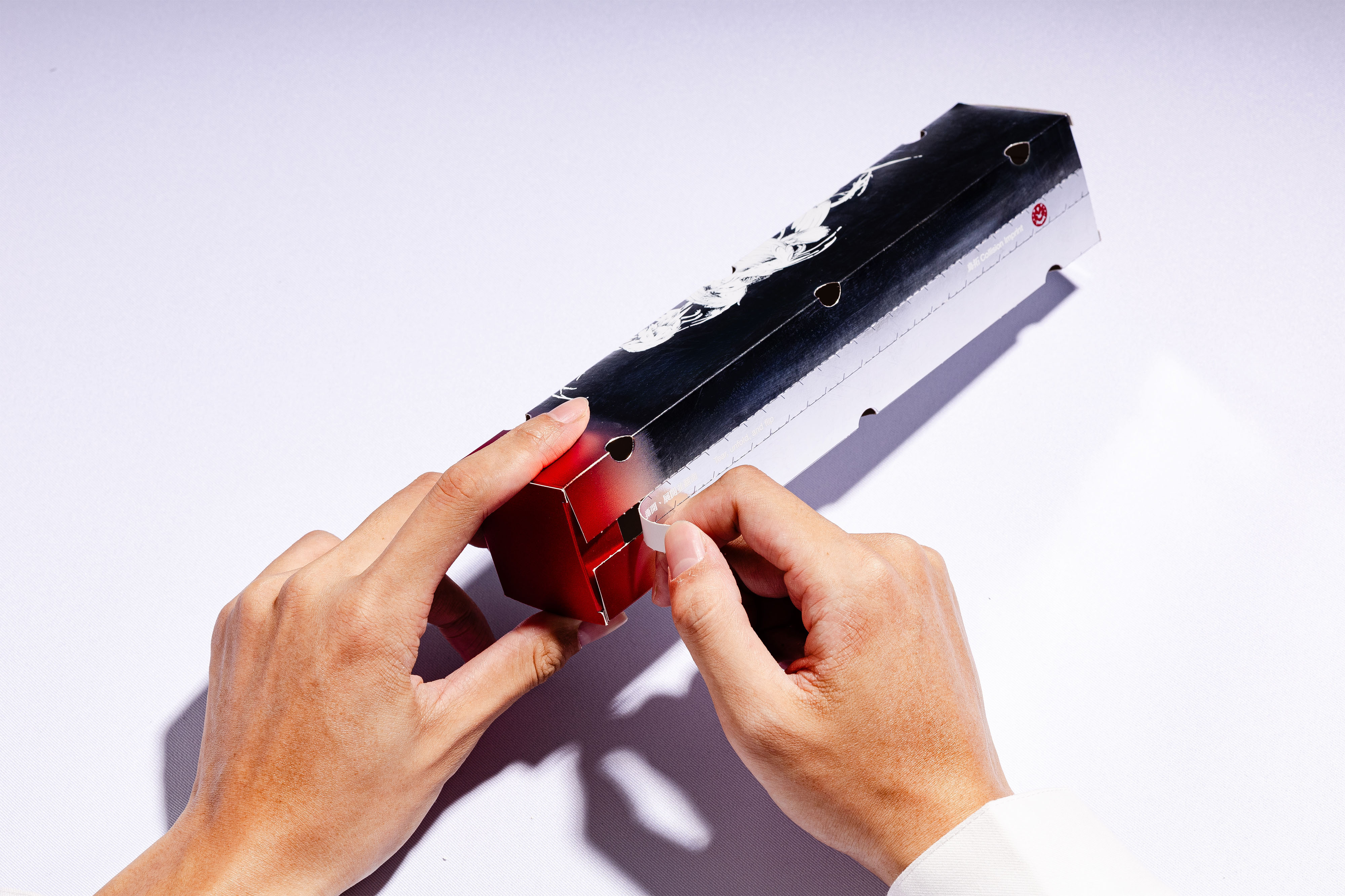
外盒設有撕裂線展開後置於窗面,其孔洞遵循5x10公分國際防撞規範,引導使用者放置點陣窗貼,
透過延伸功能降低施作難度,延長包裝生命週期,讓防治作為符合科學標準。
最終整合推廣與實用面向,讓關注得以轉化為實際行動,發展出具體且可持續推進的防治方案。
WINDOW PERIOD
Bird-window collisions occur when birds misinterpret the transparency and reflectivity of glass as open flight space, leading to fatal impacts and becoming a major source of non-natural mortality.
“WINDOW PERIOD” follows an attract–inform–resolve design process: posters draw attention, while a handbook deepens understanding and introduces actionable solutions, guiding public participation.
The handbook is structured around causes, impacts, and solutions. It visualizes abstract concepts through material experimentation and translates data into accessible infographics, linking awareness to action.
A dotted anti-collision window decal reduces misperception, following the “5 × 10 cm rule” for effectiveness.The packaging doubles as a placement guide, lowering installation difficulty and extending its lifecycle.
Ultimately, the project integrates communication and application, transforming awareness into practical, scalable prevention.
國立臺中科技大學 商業設計系
(四年級)
呂O潔
國立臺中科技大學 商業設計系
(四年級)
黃O睿
國立臺中科技大學 商業設計系
(四年級)
許O欣
國立臺中科技大學 商業設計系
(四年級)
賴O全
國立臺中科技大學 商業設計系
(四年級) 指導老師 李O連
李O華