砼顏
Betonhaut
Betonhaut
Beton:混凝土,象徵城市的結構、冷冽的質地,Neo-Brutalism 的建築語言核心。
Haut:肌膚,暗示服裝作為人體的「第二層皮膚」,與身體的關係,亦是物質的感知界面。
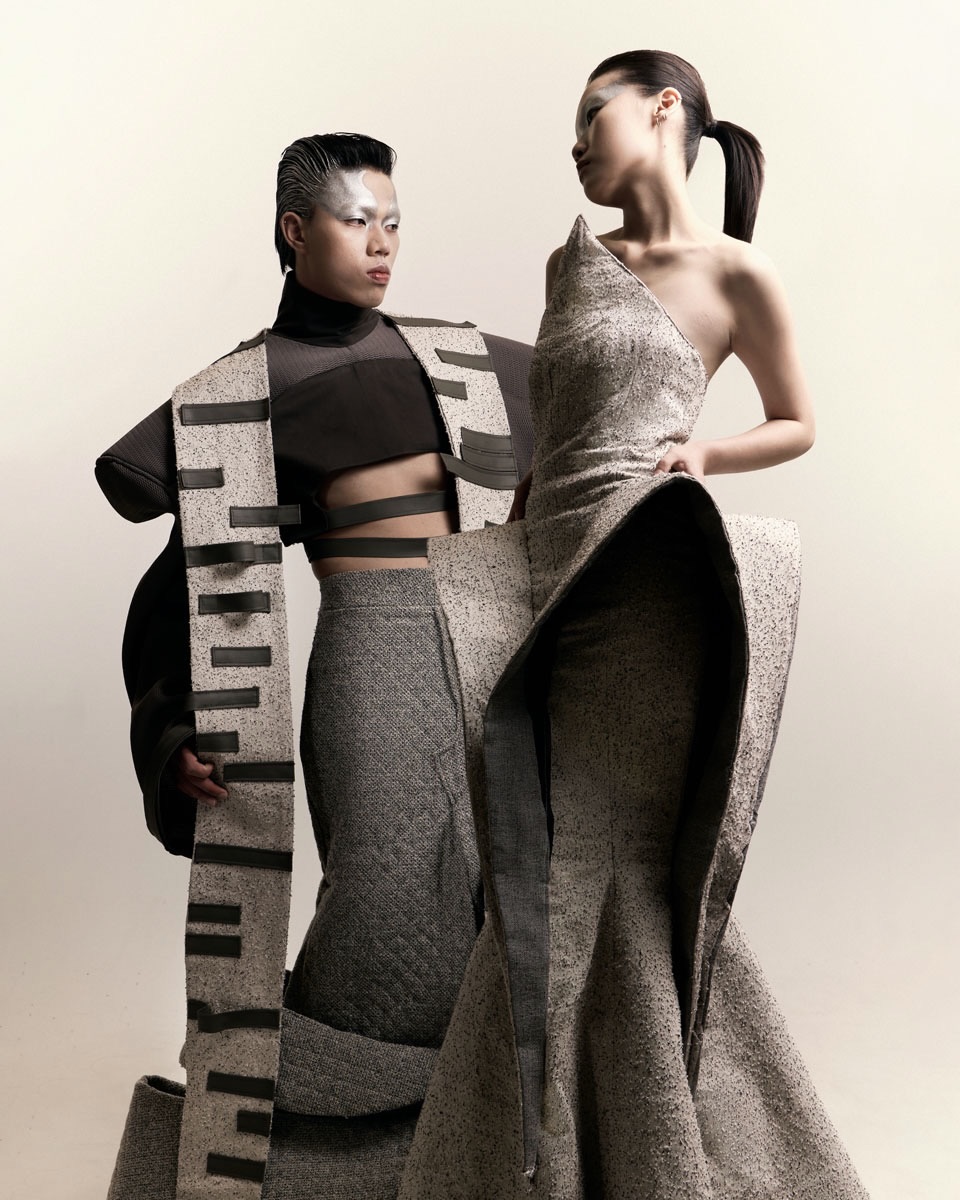
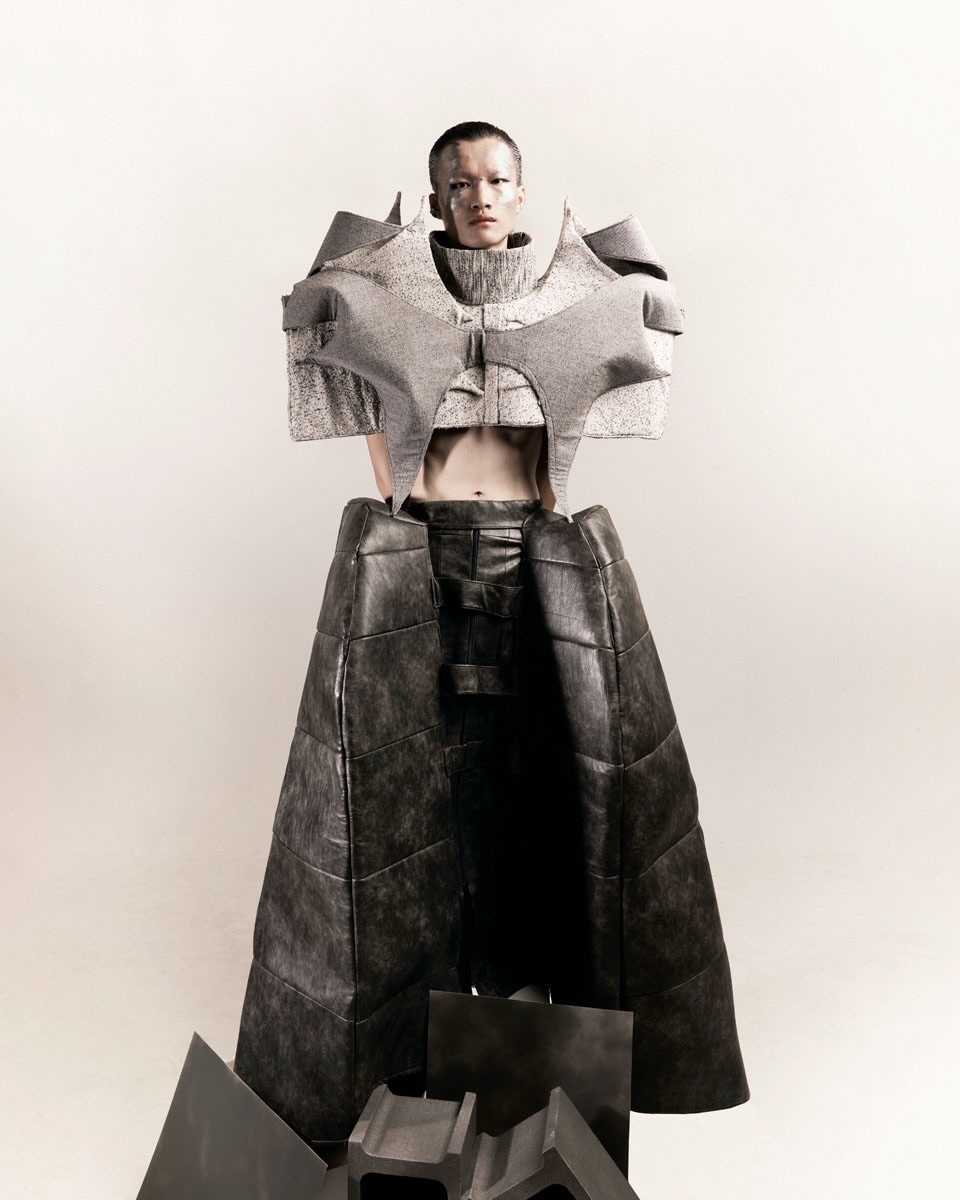
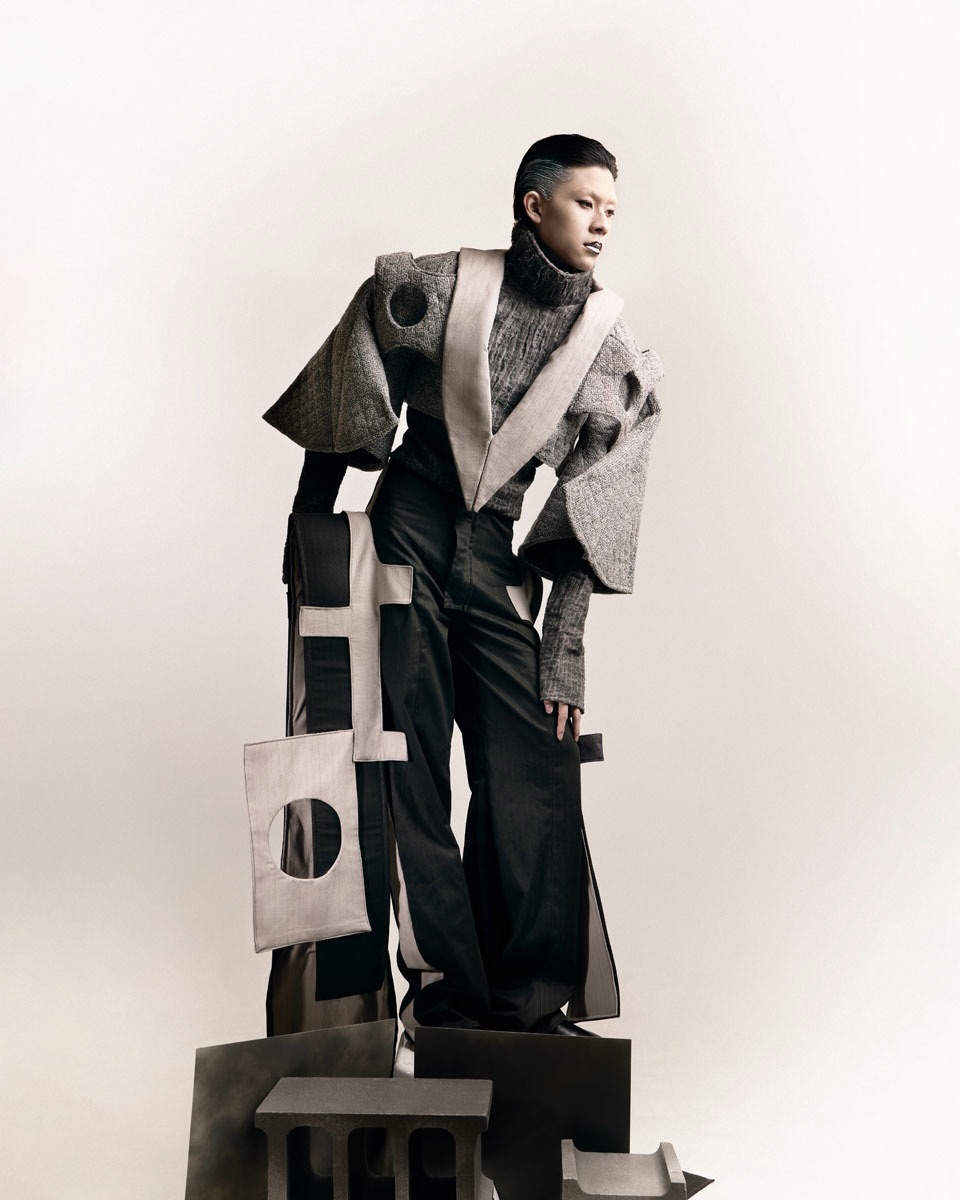
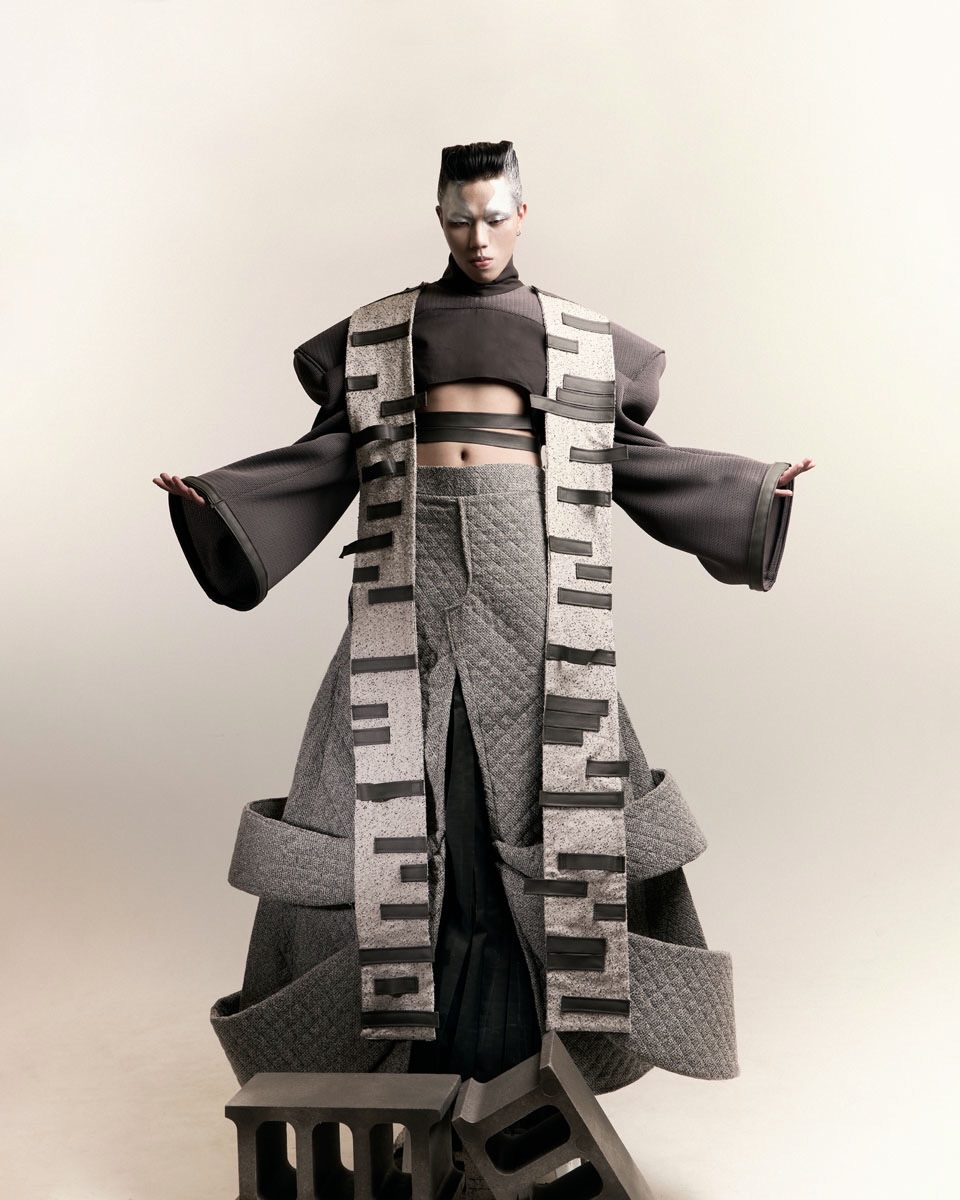
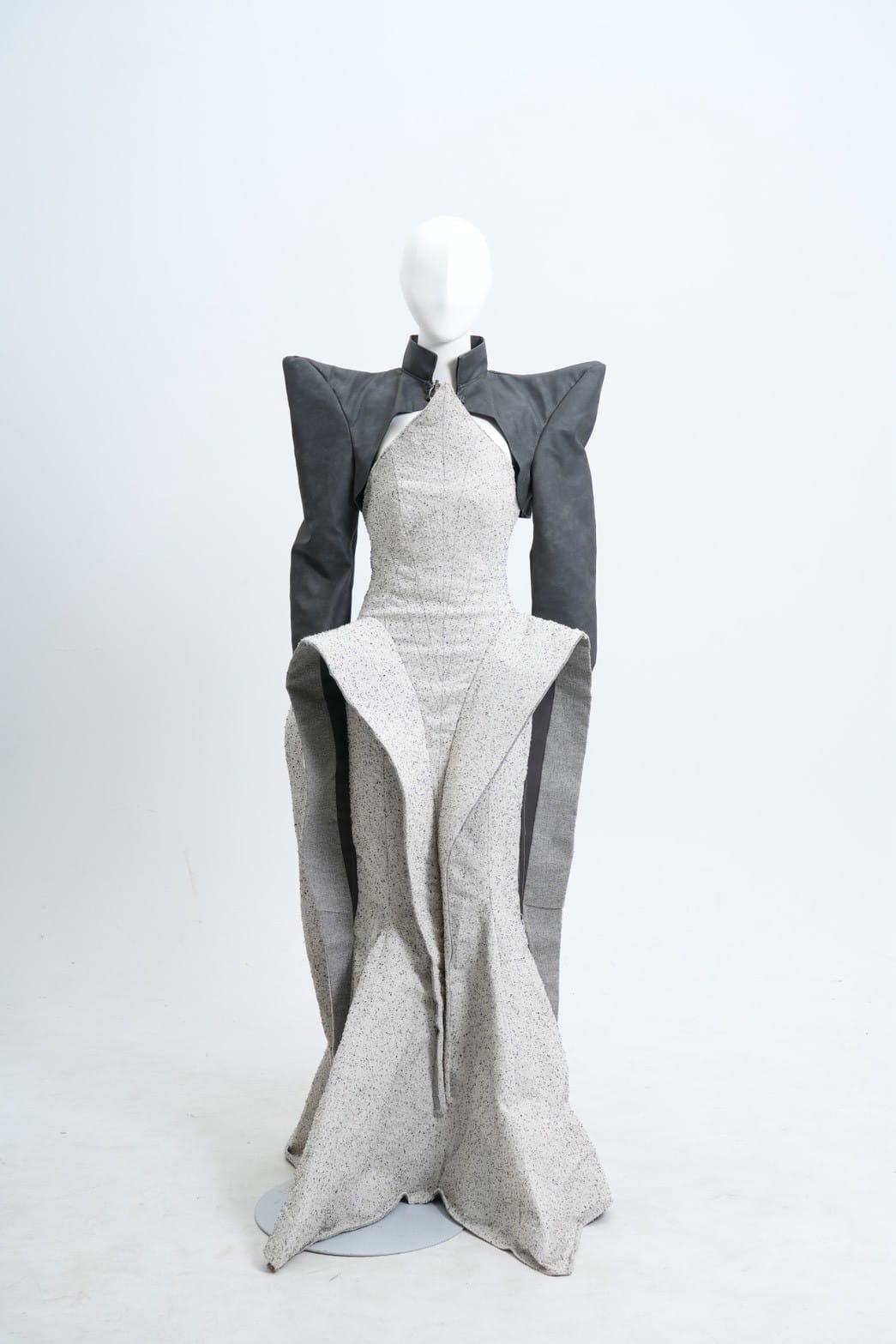
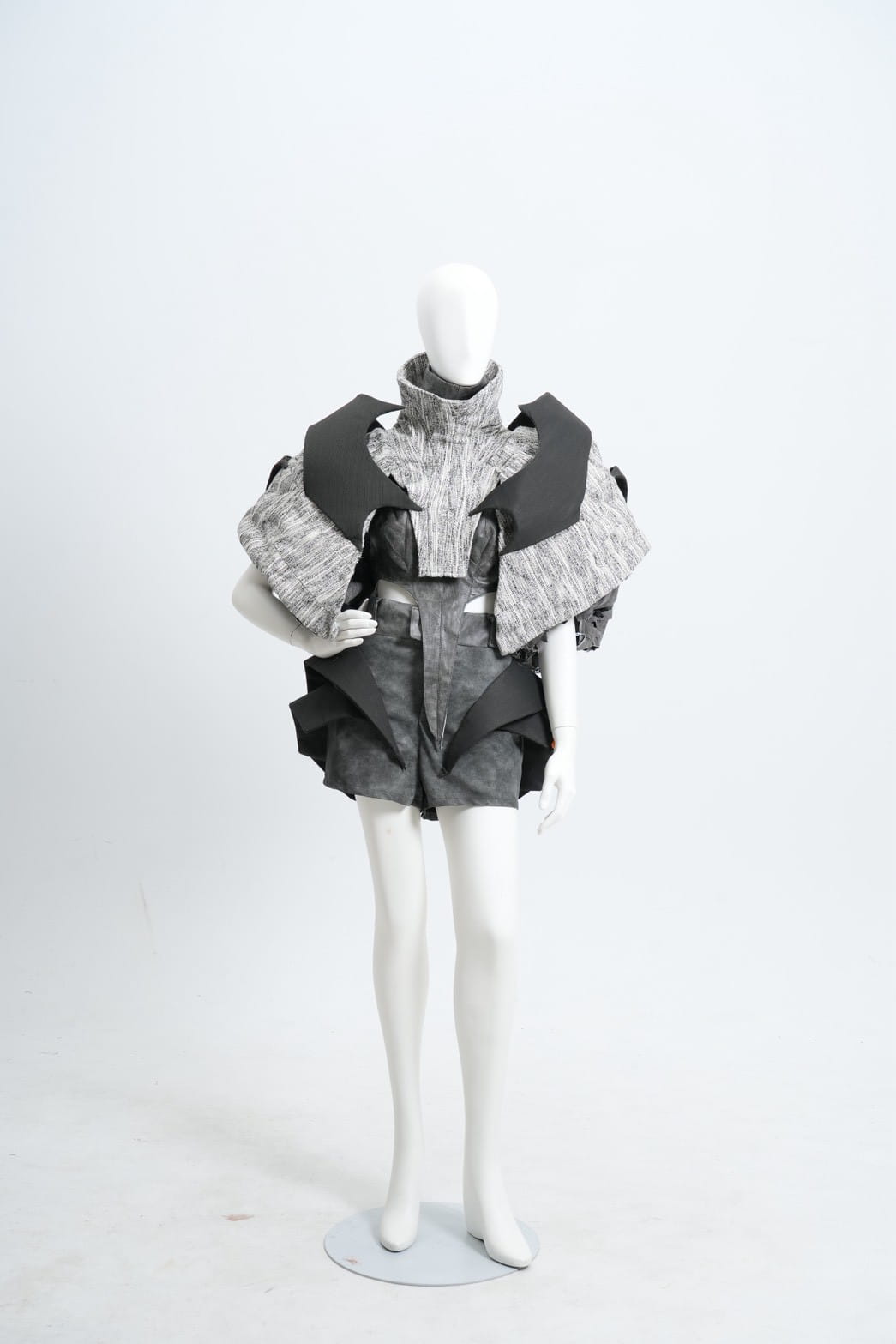
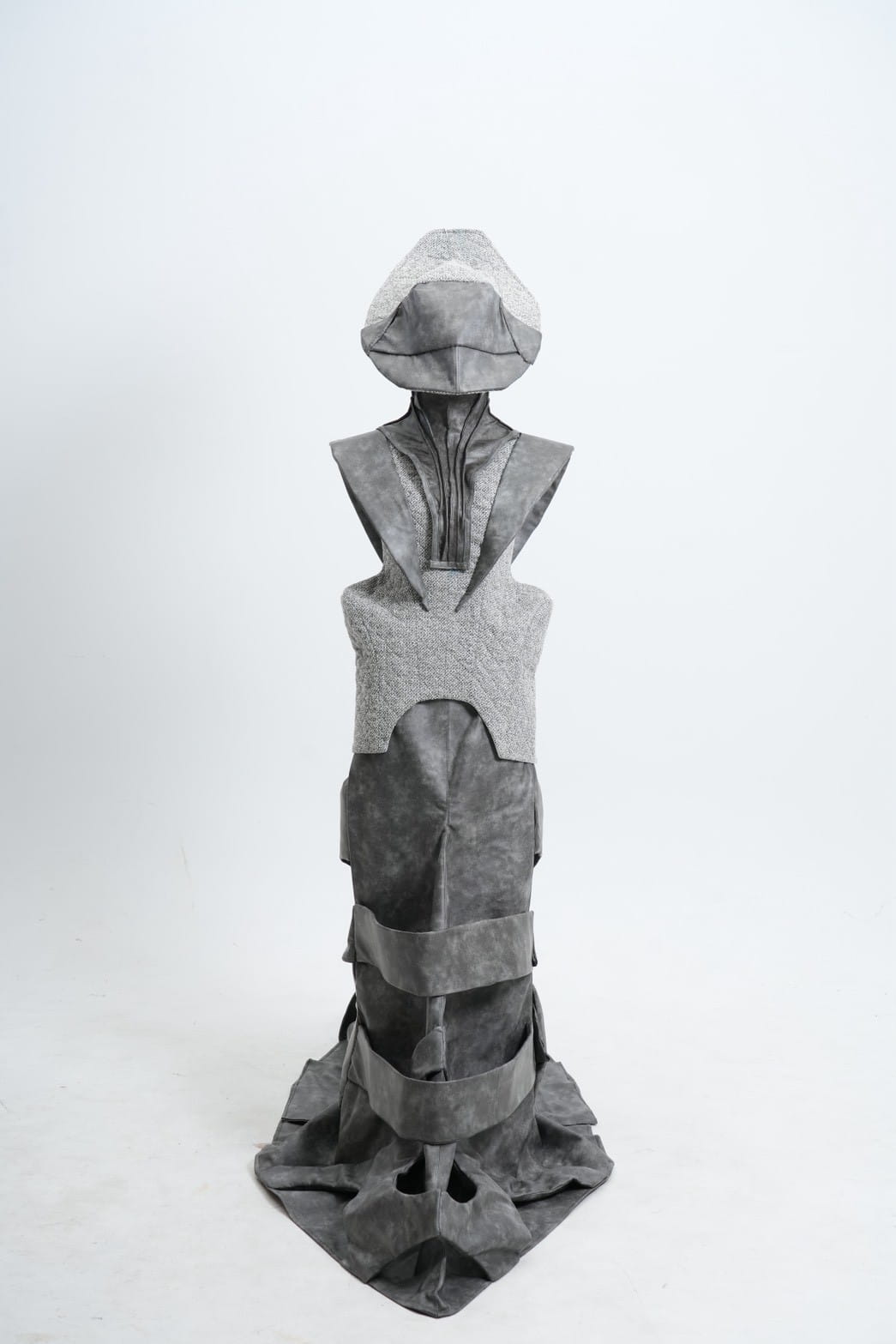
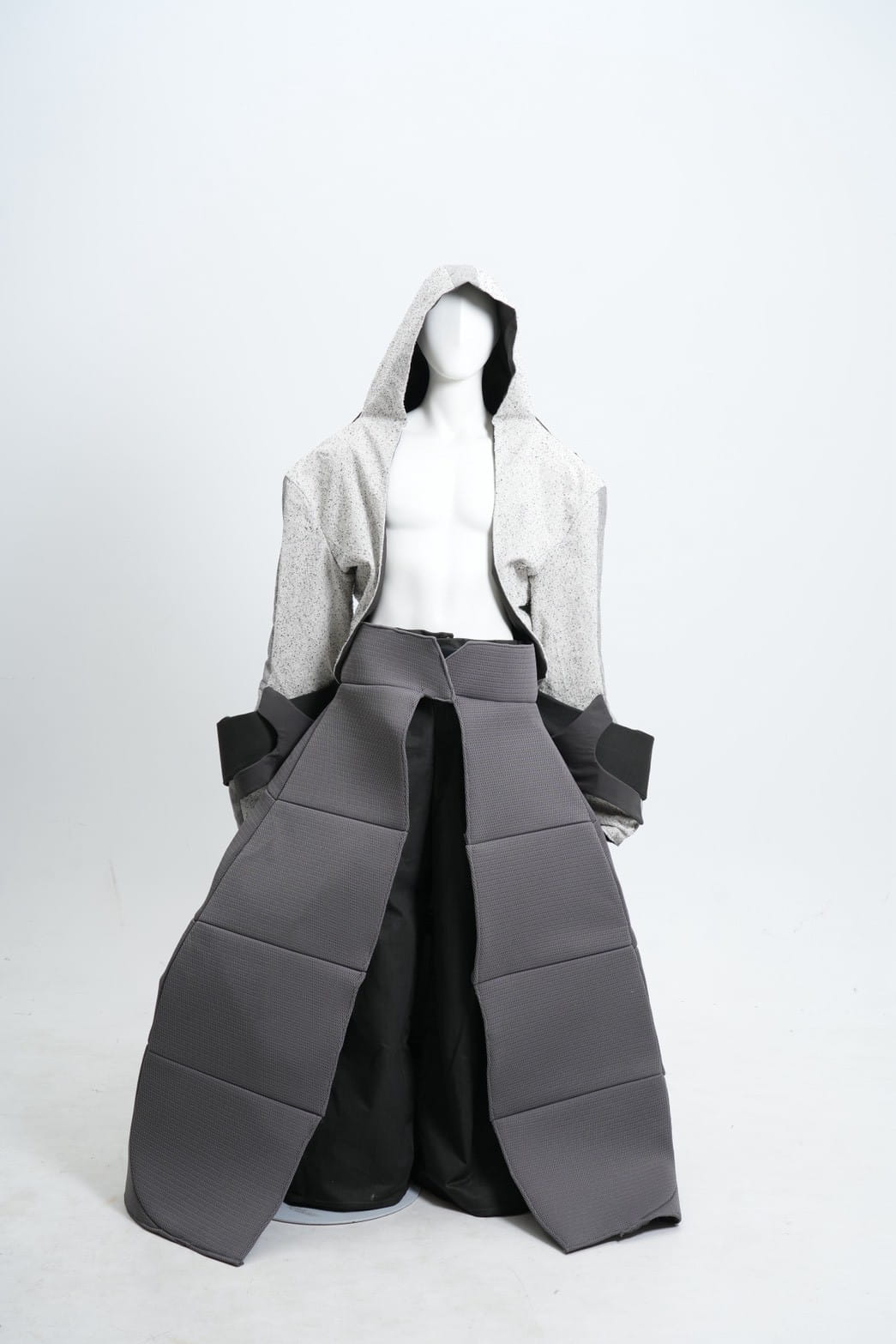
我們觀察城市的表層,發現那並非冷硬無感的結構。混凝土,如同肌膚,有裂縫、有厚薄、有反應。我們將服裝視為建築,也視為一層會呼吸的結構。它不為修飾存在,而是直接地包覆、斷裂、重組。這是混凝土的皮膚,也是人的另一層存在感。
在視覺與材質的呈現上,我們透過不同層次的灰色調,營造出如同混凝土般的深度與空間感,使服裝表面產生細膩的明暗變化。同時,選用具有粗糙紋理或礦物質感的布料,模擬混凝土的質地,讓服裝不僅是穿在身上的物件,更成為一種介於建築與身體之間的延伸載體。
Betonhaut
Beton: Concrete — symbolizing the structure of the city and its cold, rigid texture; a core element of Neo-Brutalist architectural language.
Haut: Skin — suggesting clothing as the body’s “second skin,” defining its relationship with the body and acting as a sensory interface of material.
We observe the surface of the city and realize it is not a cold, emotionless structure. Concrete, like skin, has cracks, variations in thickness, and the ability to respond. We approach garments as architecture, and at the same time as a breathing structure. They're not merely decorations, it directly envelop, fracture, and reconstruct.
We use varying shades of grey to create a sense of depth and spatiality reminiscent of concrete, allowing subtle tonal shifts across the garment’s surface. At the same time, we select fabrics with rough textures or mineral-like qualities to mimic the tactile essence of concrete—transforming clothing that exists between architecture and the body.
實踐大學高雄校區 時尚設計學系
(四年級)
李O玫
實踐大學高雄校區 時尚設計學系
(三年級)
李O平
實踐大學高雄校區 時尚設計學系
(四年級)
崔O亮
實踐大學高雄校區 時尚設計學系
(四年級) 指導老師 張O豪