尋根與續根
Rooted and Renewed
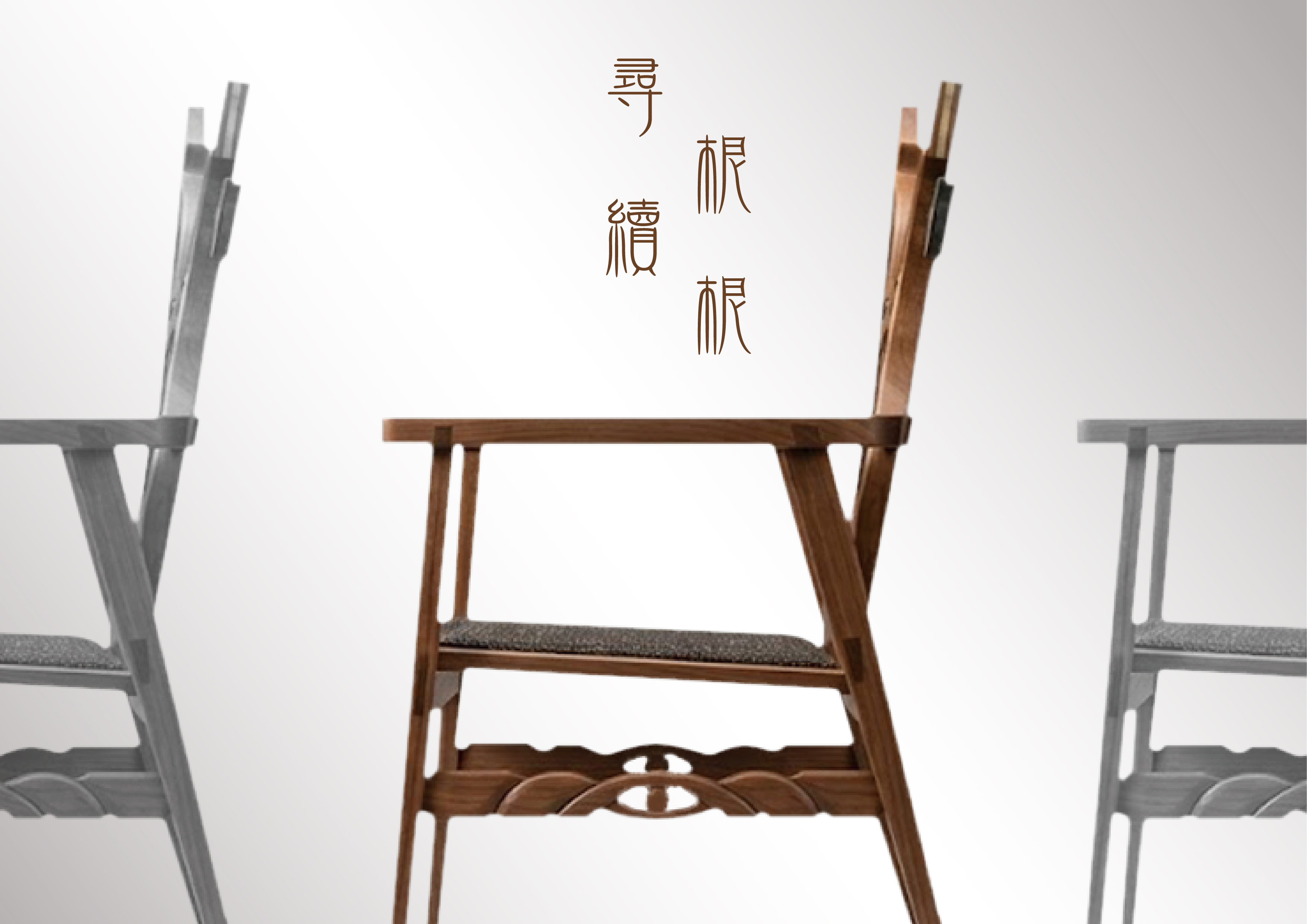
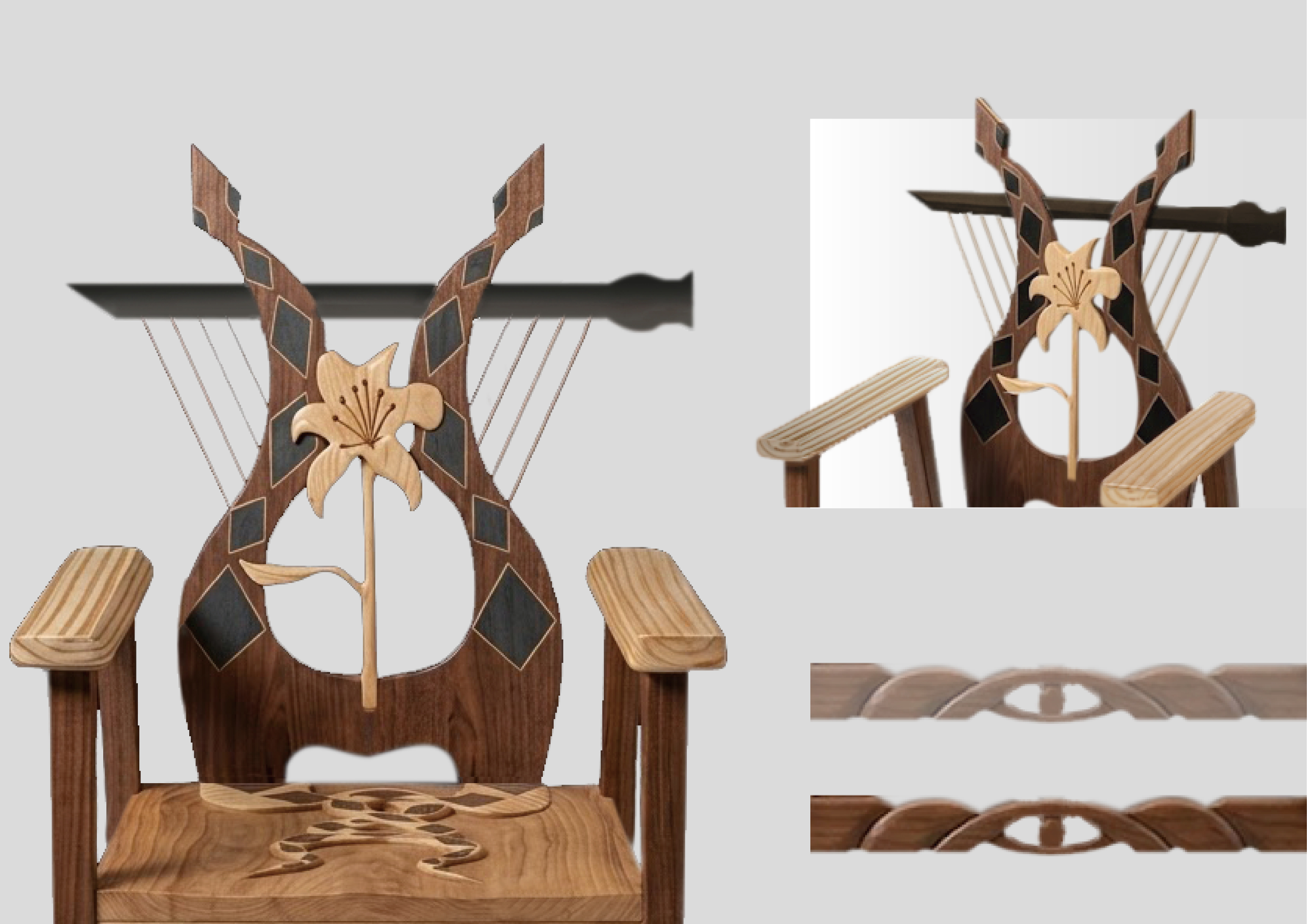
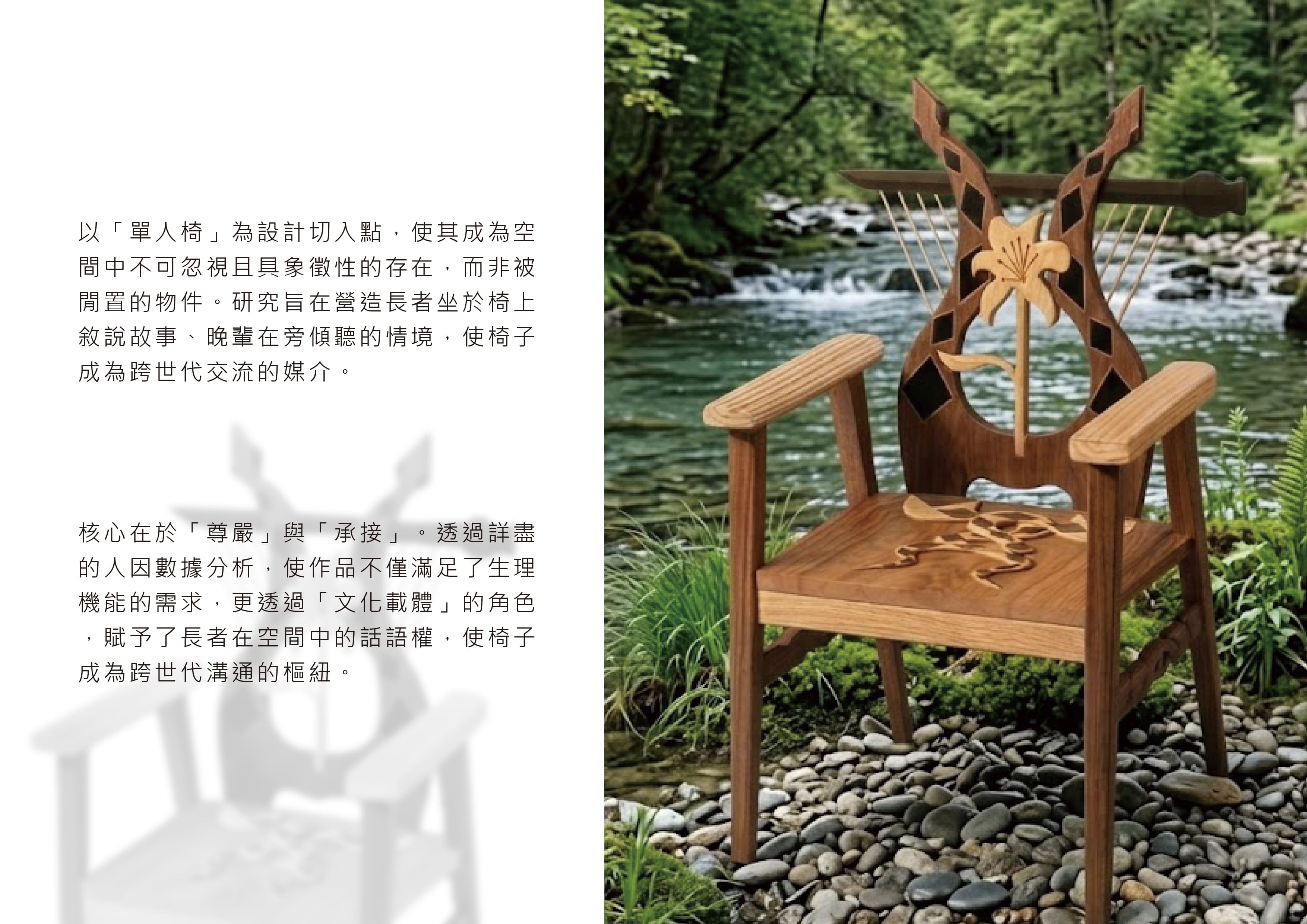
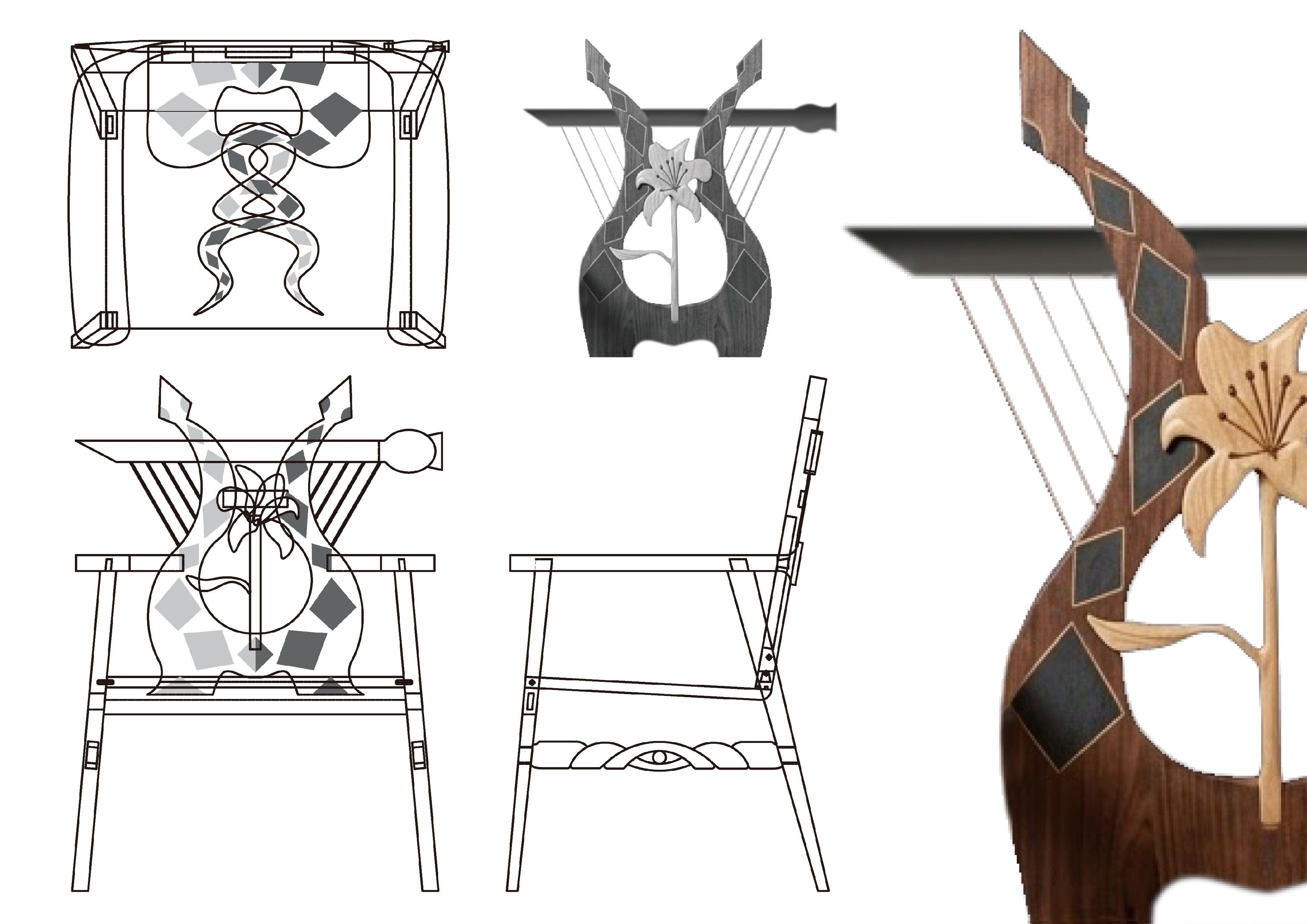
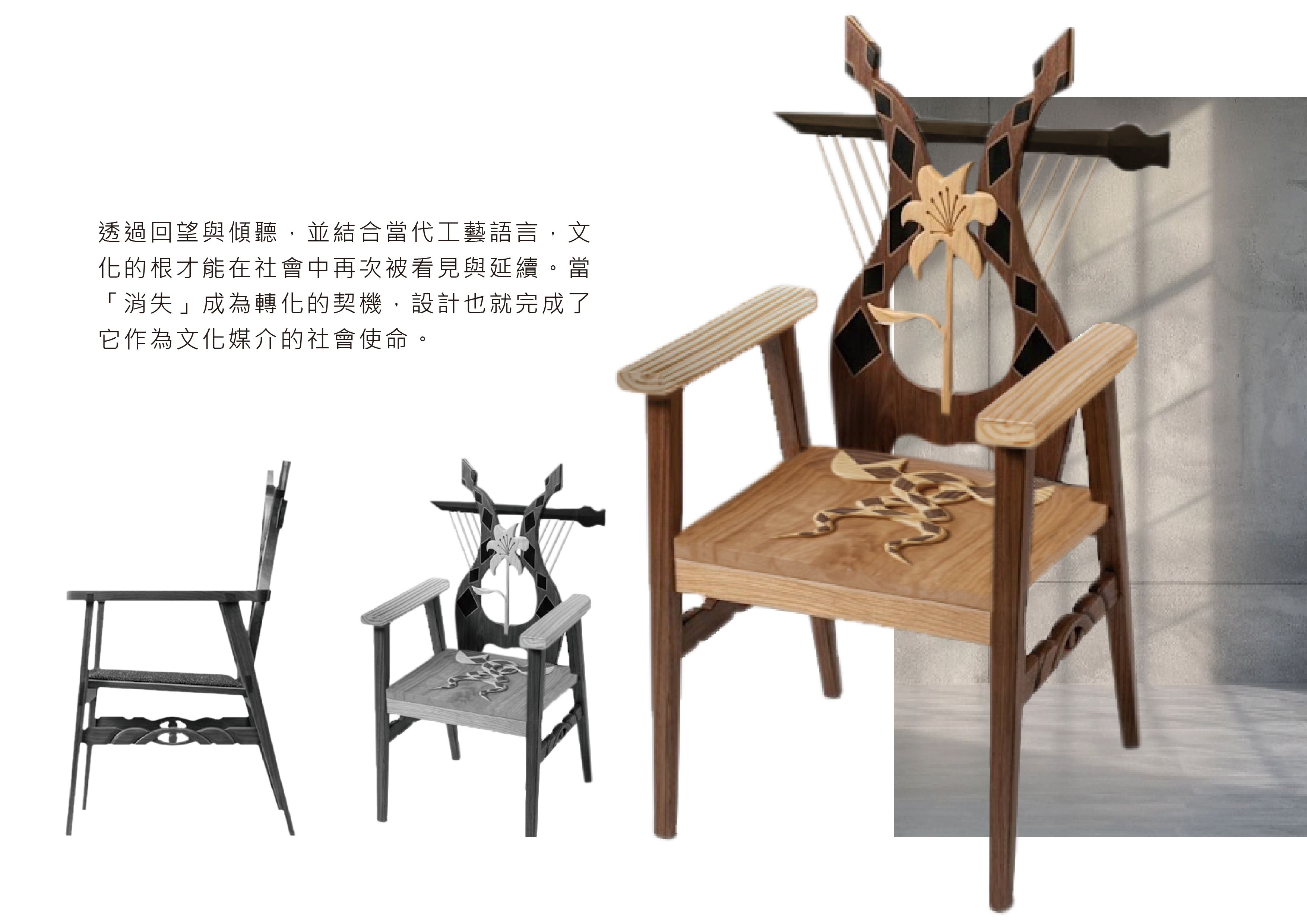
本研究透過對排灣族文化脈絡的深度介入,整合部落訪談與人因工程研究,探討當代設計在文化傳承中的角色與可能性。研究發現,當代設計在回應原住民文化流失議題時,家具不應僅停留於傳統圖騰或符號的形式再現,而應進一步透過材質選擇、結構語彙與製作工藝,傳達族群所蘊含的生命哲學與文化精神。本設計以「尊嚴」與「支撐」作為核心理念,透過人因數據分析回應長者在坐姿、支撐與起身過程中的生理需求,使家具不僅具備實際功能,更能成為承載文化記憶的媒介。椅子因此被重新賦予文化載體的角色,使長者在空間中重新取得敘事與傳承的話語權,並讓其成為連結長輩與青年之間的重要交流節點。
此外,本計畫亦強調文化並非被靜態保存的標本,而是一種需要被持續理解、詮釋與轉化的集體記憶。透過回望過去與傾聽長者經驗,並結合當代設計與工藝語言,使文化得以在新的時代語境中被重新看見與感知。當「消失」被視為轉化與再生的契機,設計也因此成為促進文化延續的重要媒介,使族群記憶得以在快速變動的社會中持續生長與傳承。
Rooted and Renewed
This study explores the cultural context of the Paiwan people through tribal interviews and ergonomic research, examining how contemporary design can support cultural continuity. Rather than simply reproducing traditional totems, the design expresses cultural values through materials, structure, and craftsmanship.
Centered on the ideas of “dignity” and “support,” the chair responds to the physical needs of elders while also serving as a cultural carrier. It restores elders’ presence within the space and becomes a bridge for intergenerational communication.
The project emphasizes that culture is not a static object to be preserved, but a memory that must be continually understood and reinterpreted. Through reflection, listening, and contemporary craft language, cultural roots can be rediscovered and sustained in a changing society.
樹德科技大學 生活產品設計系
(四年級) 指導老師 林O超
徐O偉