記藝的重疊
memory overlap
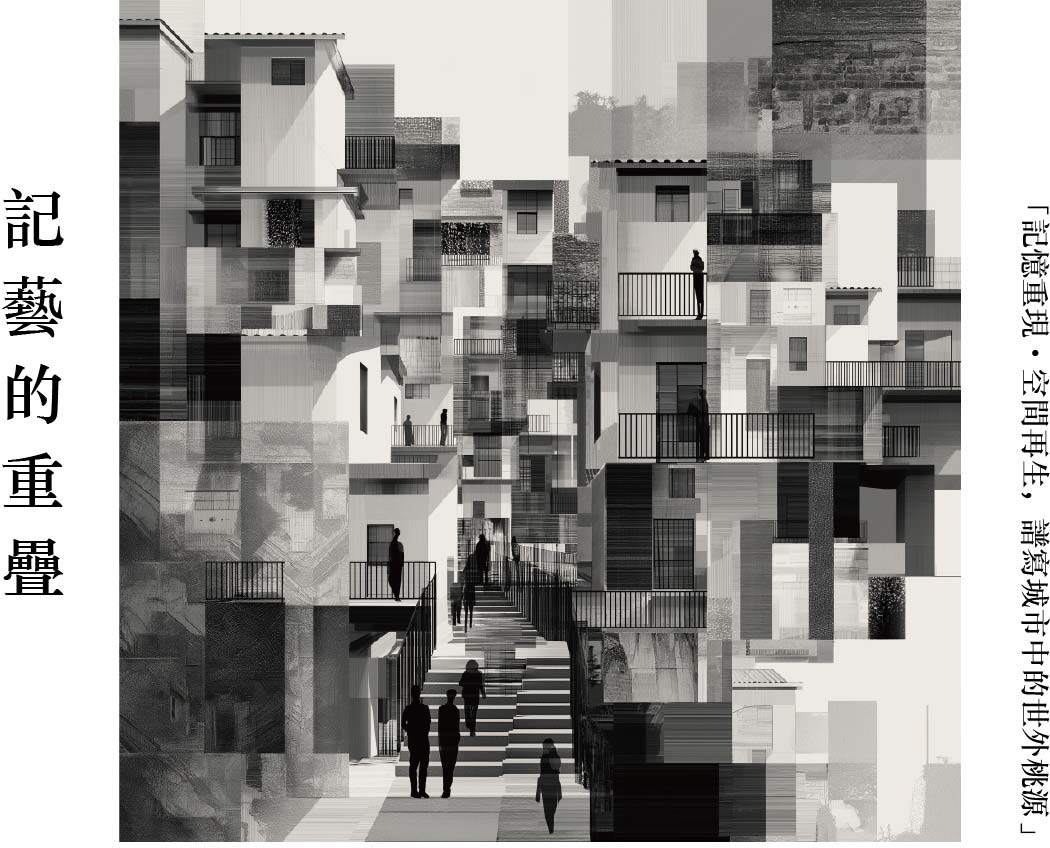
眷村文化是否應被保存,答案無疑是肯定的。這些空間不僅承載特定歷史脈絡,更累積了居民長期生活所形成的集體記憶與情感連結。然而,在如高雄左營這類都市核心區域中,土地被高度資本化,「寸土寸金」的現實使其未來發展多以經濟效益為主要導向,文化價值往往被邊緣化,甚至面臨消失的風險。這樣的情境不禁引發思考:土地的價值,是否僅止於可量化的經濟層面,抑或仍包含難以取代的文化意義與社會價值?
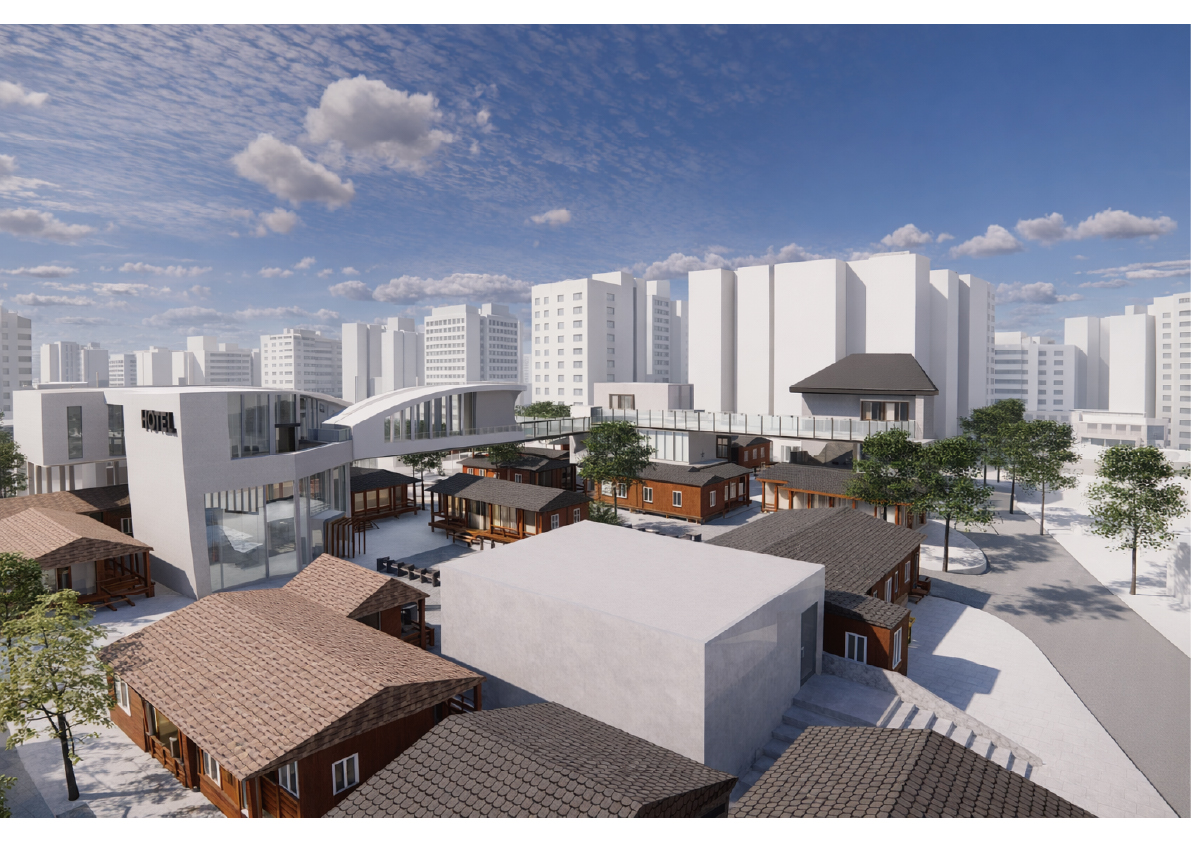
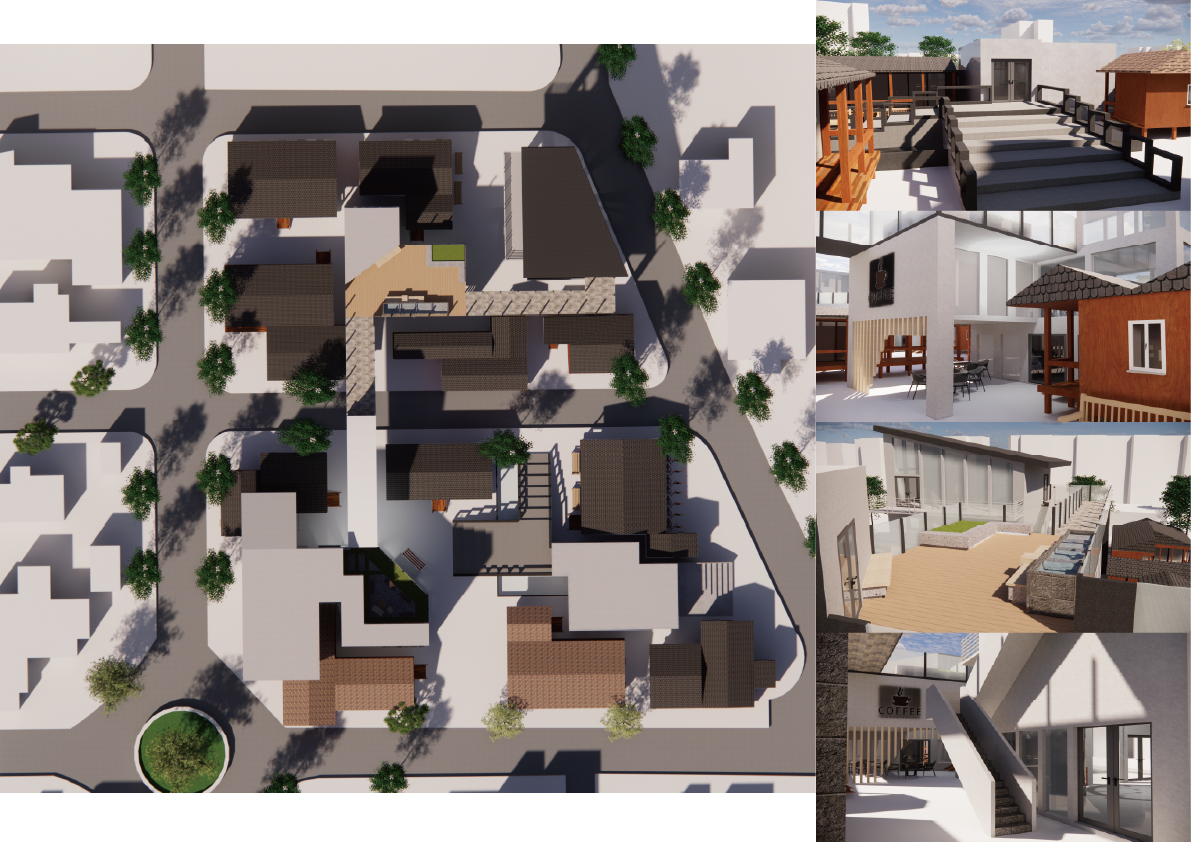
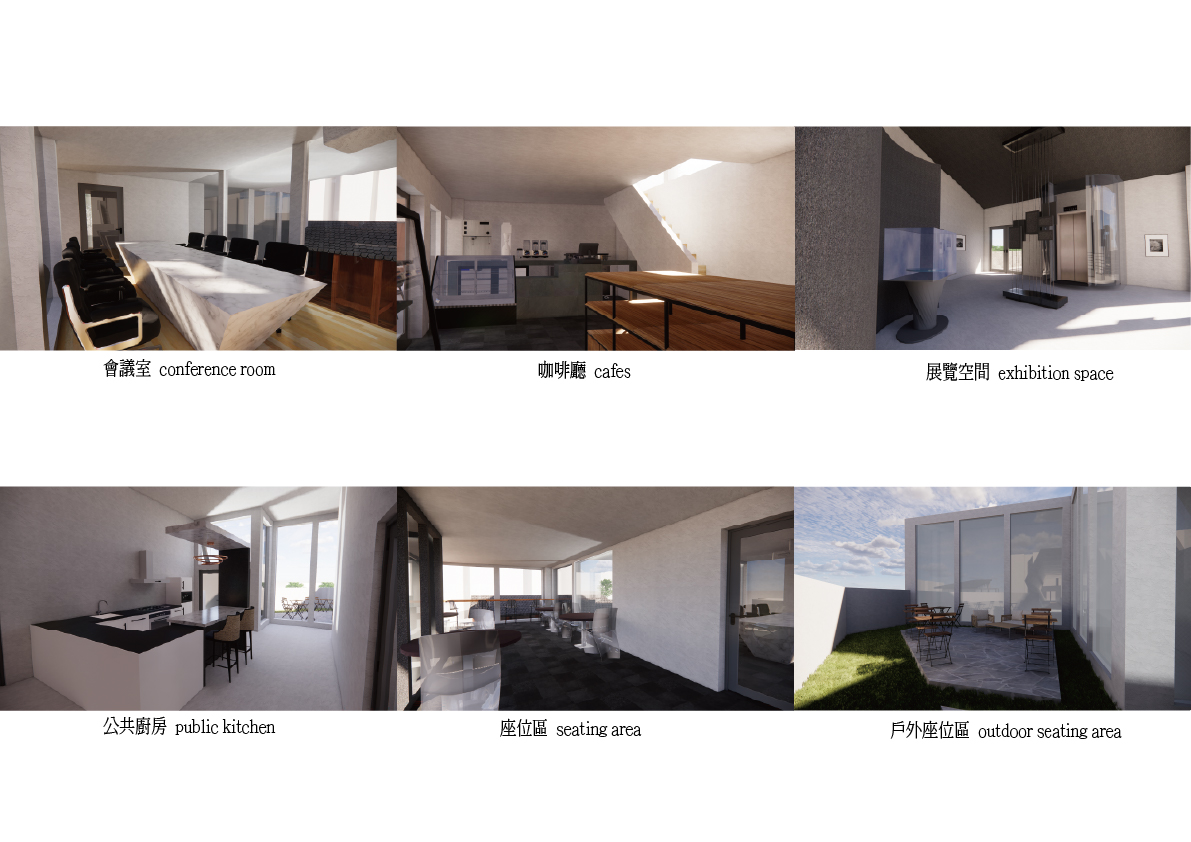
本研究嘗試從「情感」與「空間記憶」的視角切入,重新詮釋眷村的存在意義。透過梳理其生活紋理與空間特質,延續其巷弄尺度、人際互動與場域氛圍,並將其轉譯為符合當代城市需求的空間形式,例如複合式公共空間、文化展示與生活機能的整合配置,進而探索一種兼容文化記憶、都市發展與多元機能的更新模式,使歷史得以延續,同時回應未來城市的發展需求
memory overlap
These spaces not only carry specific historical contexts but also accumulate collective memories and emotional connections formed by residents' long-term lives. However, in core urban areas like Zuoying in Kaohsiung, land is highly capitalized, and the reality of "every inch of land is worth its weight in gold" means that future development is primarily driven by economic benefits, often marginalizing cultural value and even risking its disappearance.
This study attempts to reinterpret the existence of military dependents' villages from the perspectives of "emotion" and "spatial memory." By tracing their living textures and spatial characteristics, continuing their alleyway scale, interpersonal interactions, and territorial atmosphere, and translating them into spatial forms that meet the needs of contemporary cities—such as integrated configurations of multi-functional public spaces, cultural displays, and living spaces.