不堪負荷
overwhelmed
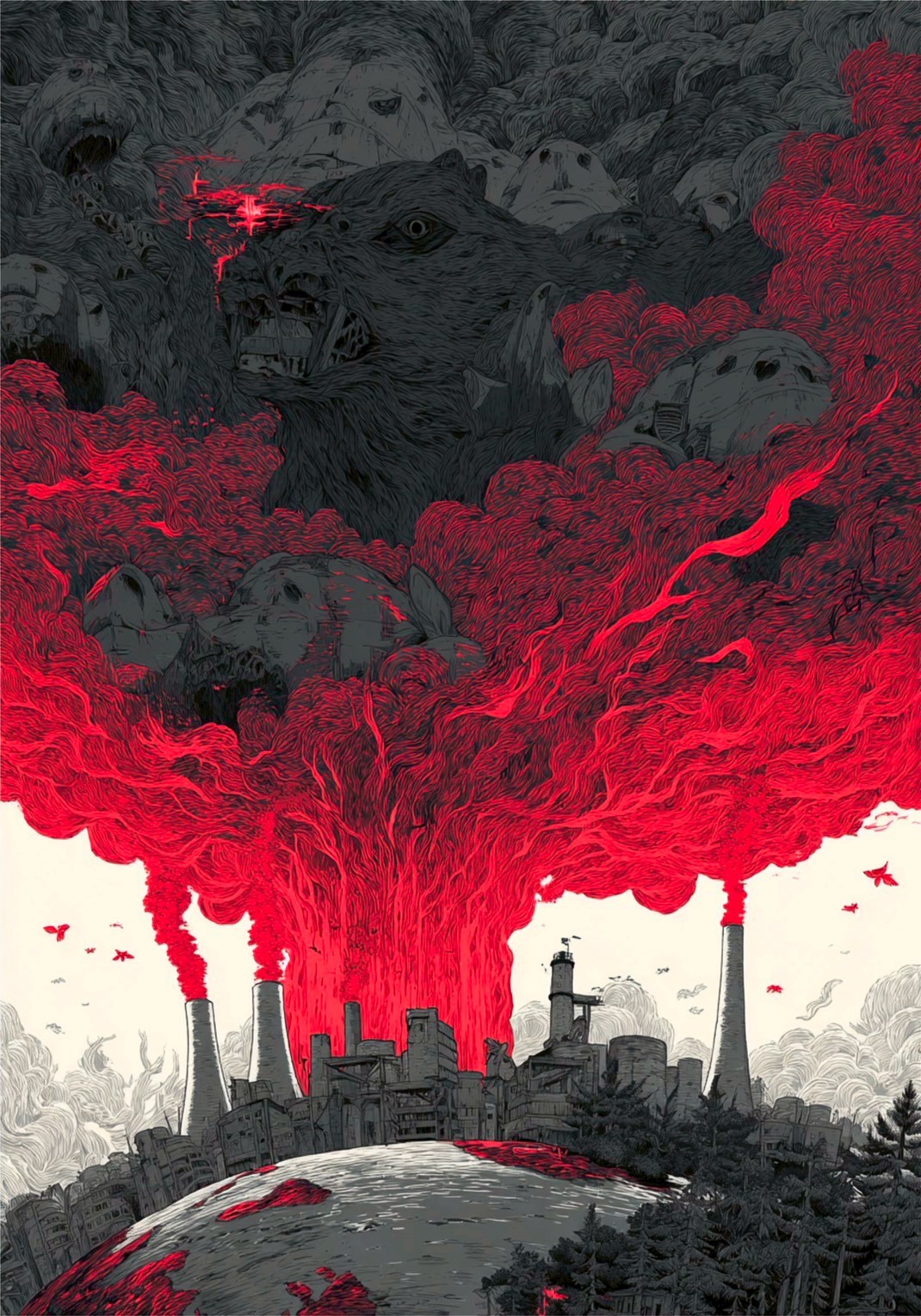
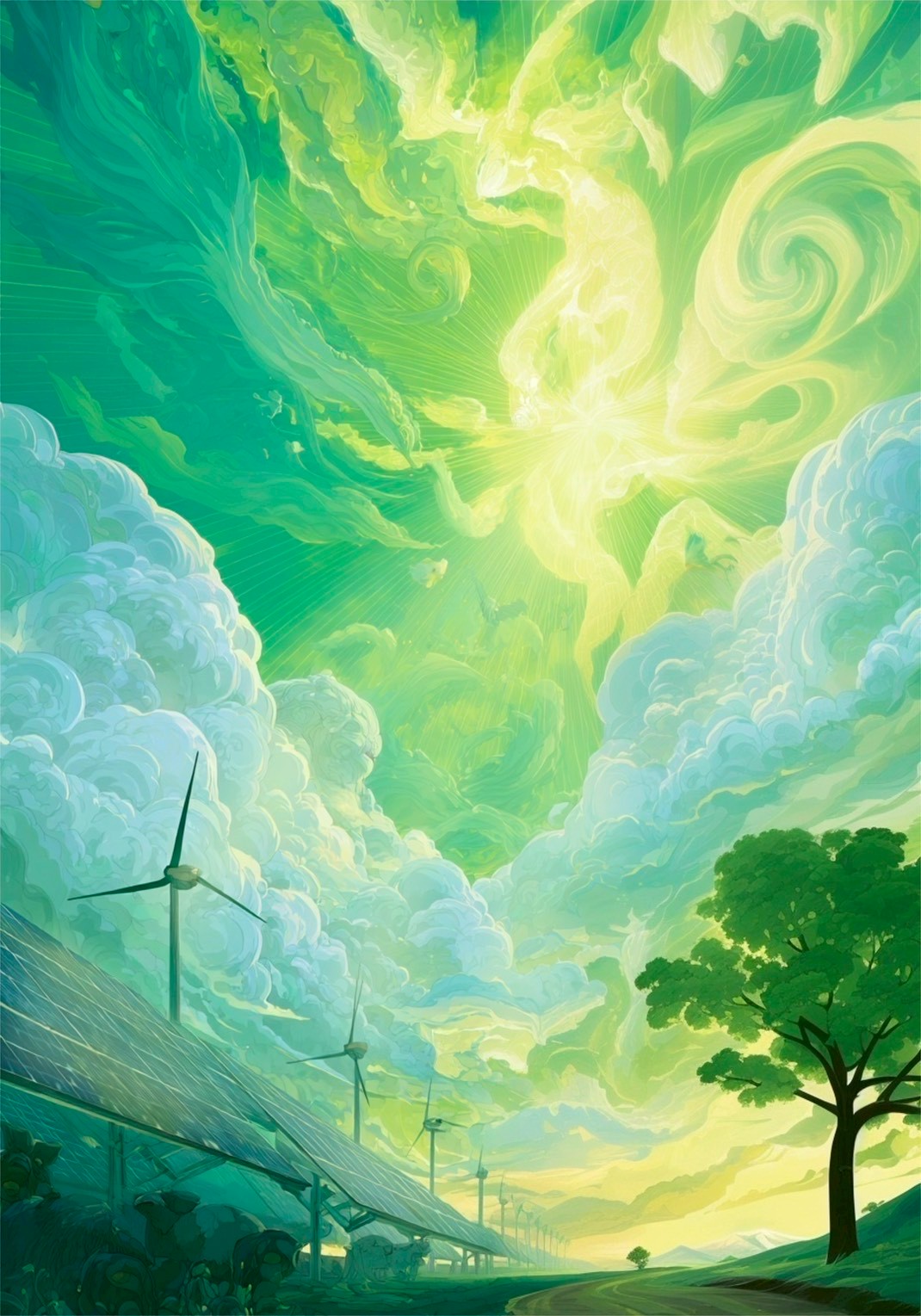
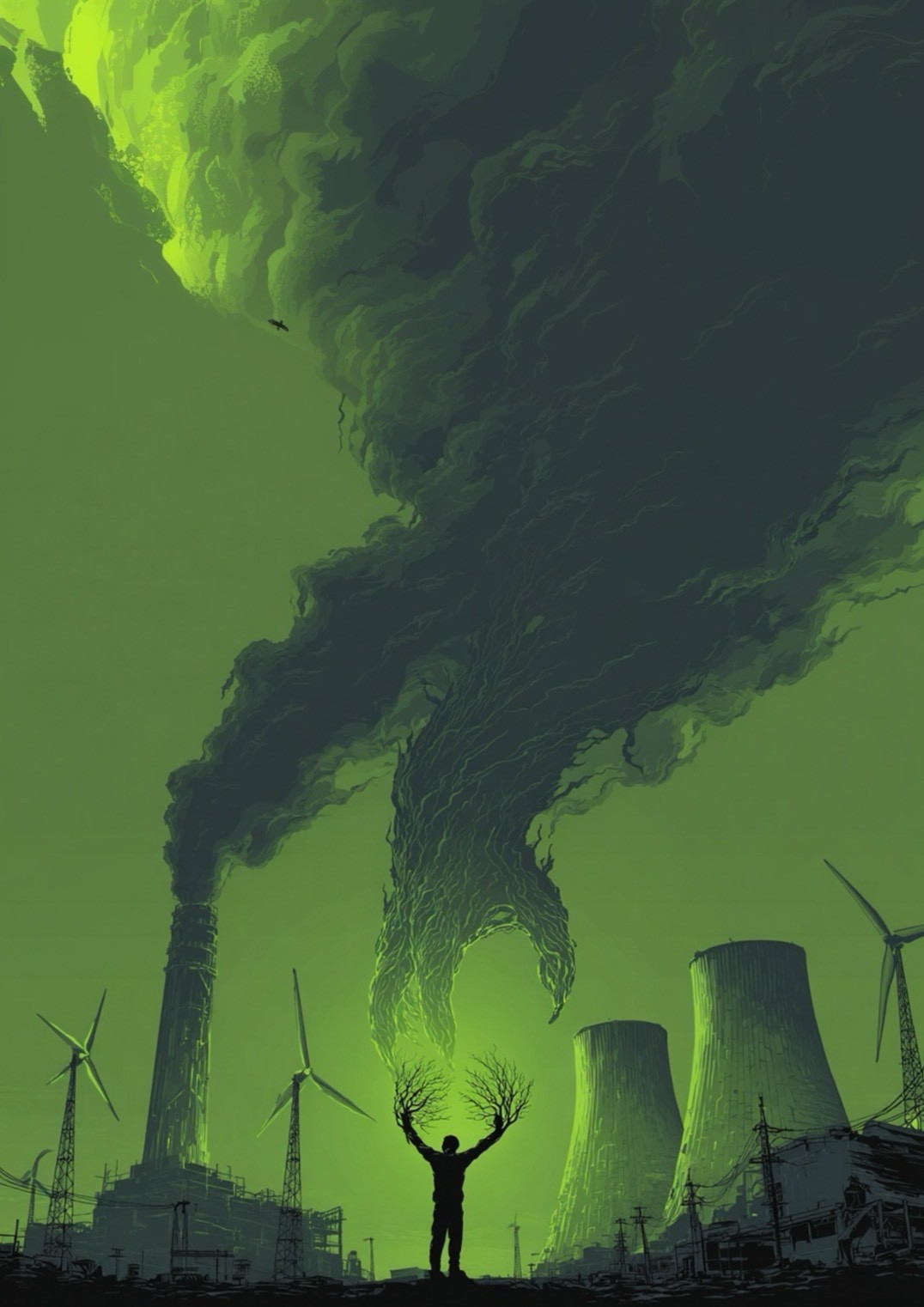
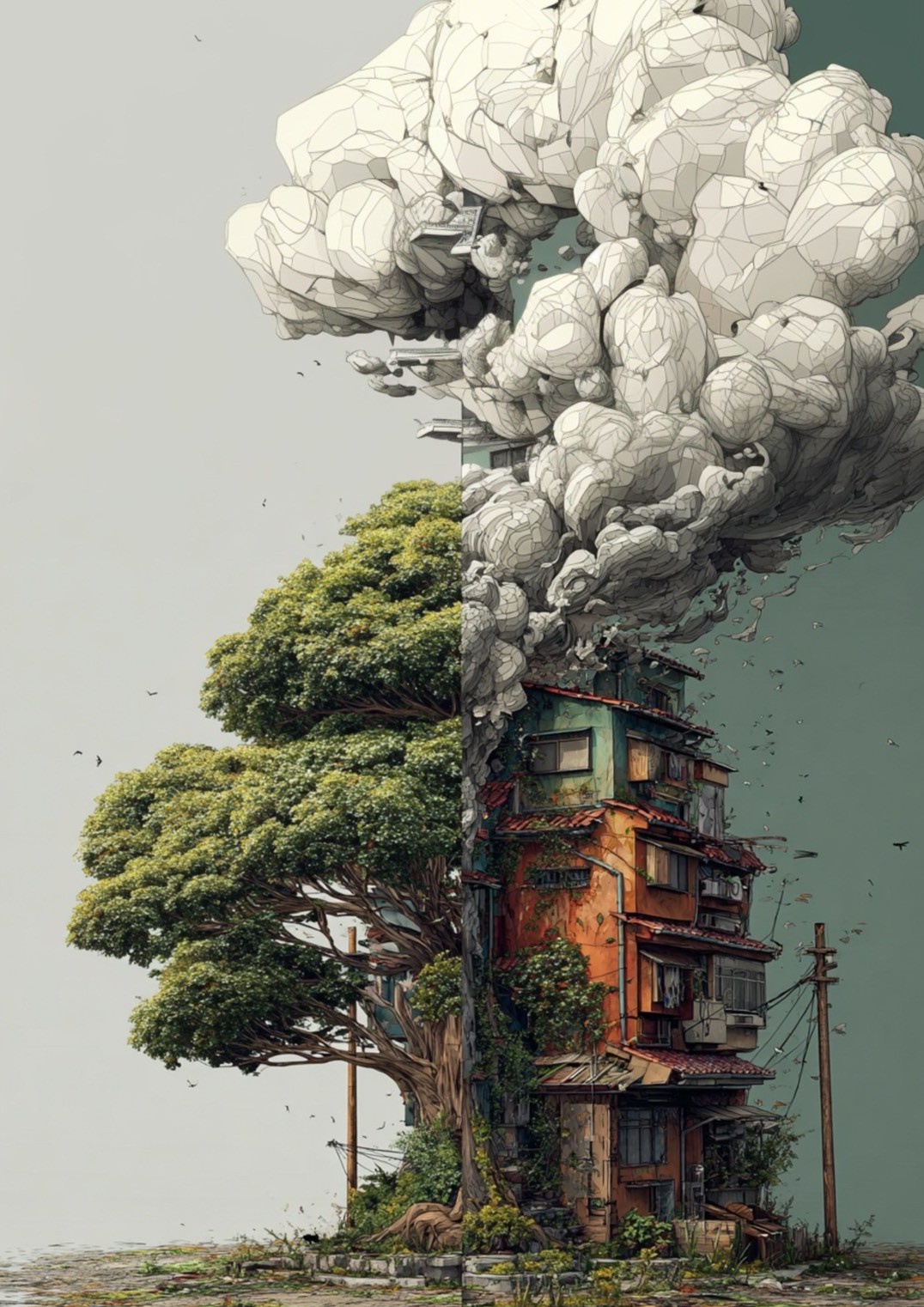
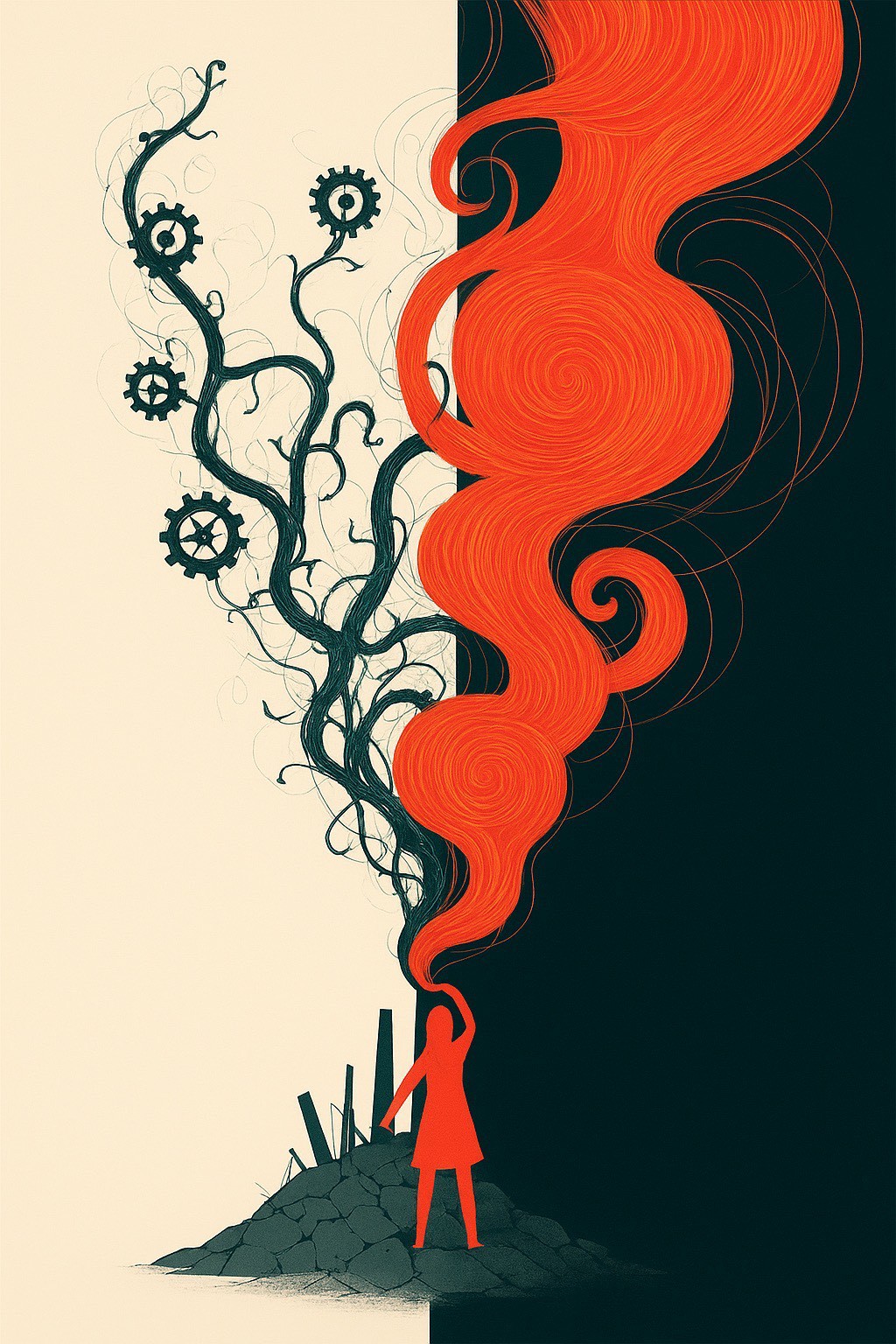
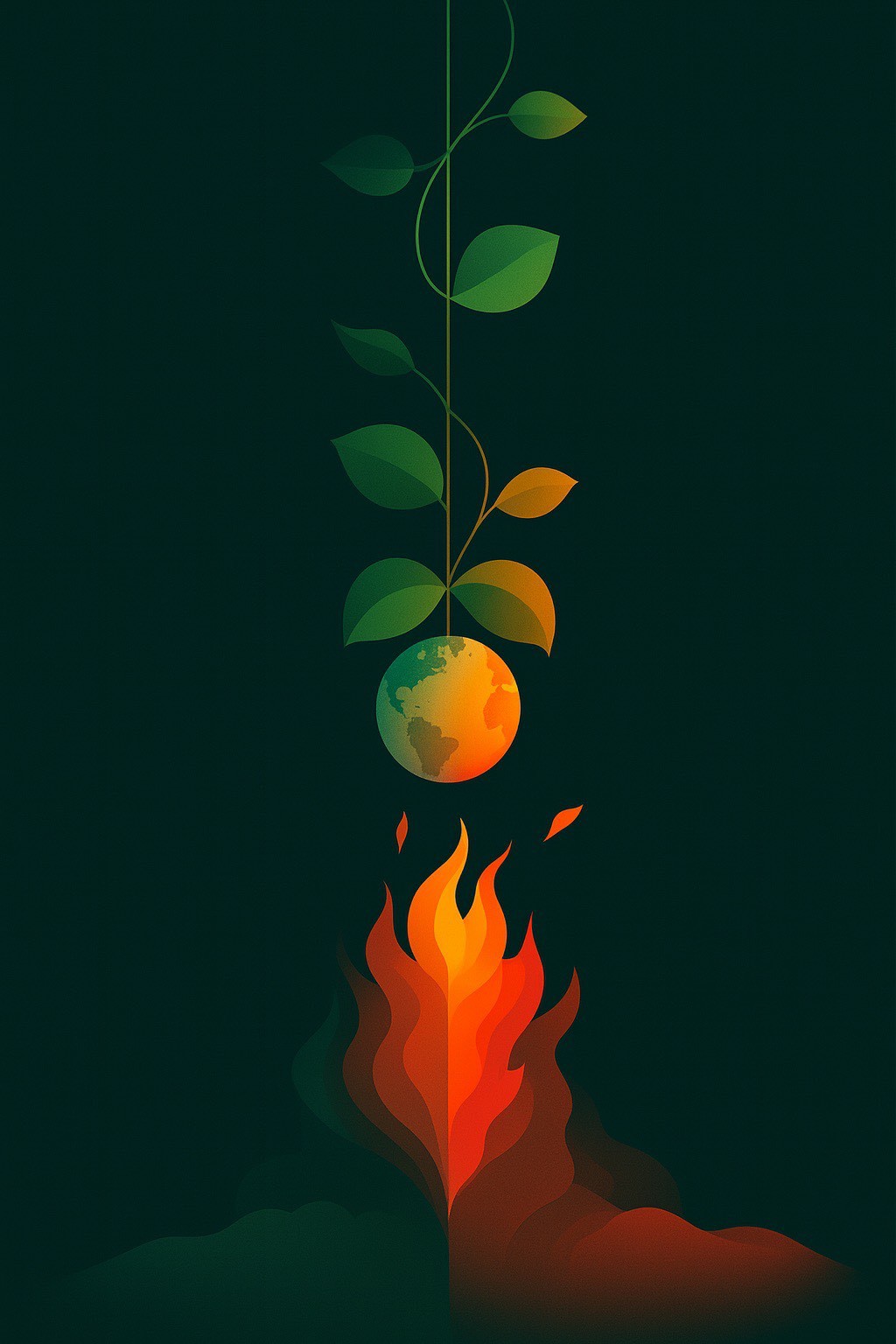
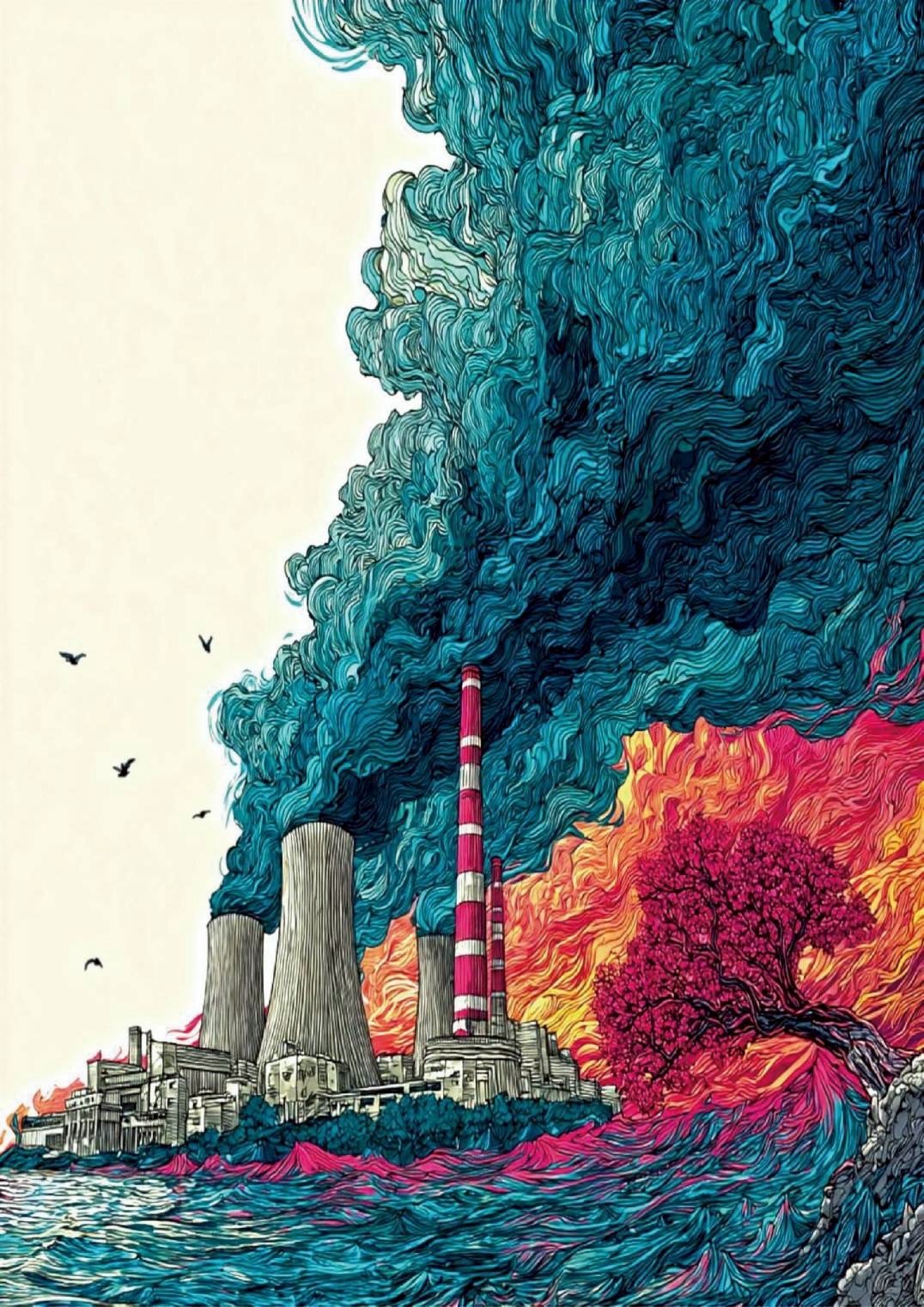
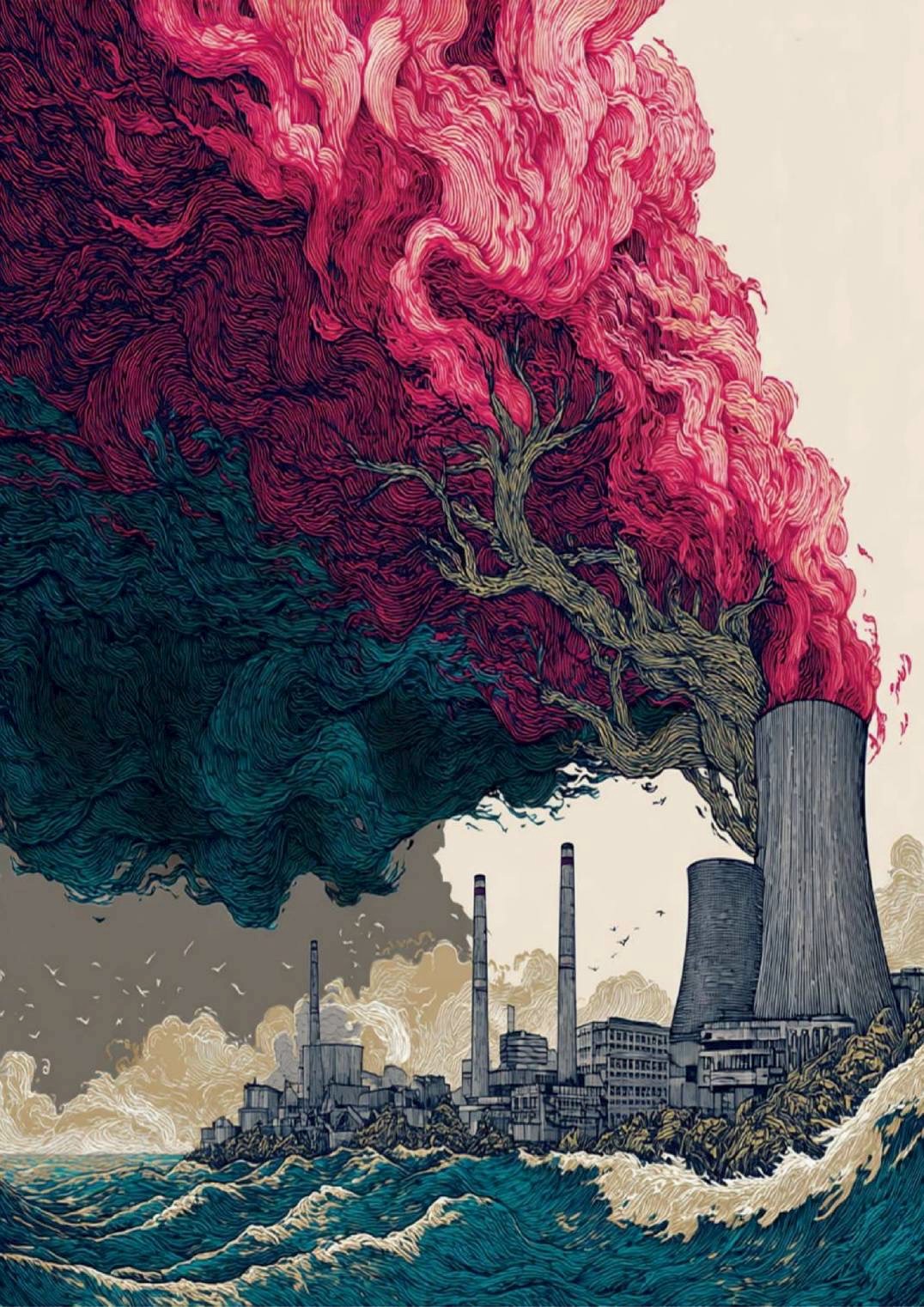
全球氣候變遷問題幾乎成爲了21世紀所要面對的最大問題,我們習慣的生活行為,如:在夏日使用舒適涼爽的室內空調、每日通勤的油車、為了便利所使用的塑膠用品、紙類用品等隨手丟棄無法回收利用的材質,人類為了幾分鐘的便利隨手就來的這些「習慣」正在無形的累積地球環境污染的病情,導致極端氣候的問題逐漸白熱化,氣候災害發生的頻率也逐年升高。 以臺灣舉例:目前臺灣佔比最大的發電方式為-火力發電,撇除上述的習慣這種發電方式在目前全球的供電方式中對於環境危害的影響最大,根據統計:每發十億度電便會造成60人死亡,以同樣的供電量相比核能發電所造成的傷亡卻僅有0.04人,因此哪些供電能源能提供更在對環境造成更小危害並維持更長遠的供應成為了本國人必須慎重思考的議題。
overwhelmed
Global climate change is one of the greatest challenges of the 21st century. Everyday habits—such as using air conditioning, commuting in gasoline-powered cars, and discarding non-recyclable plastics and paper for convenience—quietly contribute to environmental pollution. These actions intensify extreme weather and increase the frequency of climate disasters.
In Taiwan, thermal power remains the primary source of electricity and has significant environmental impacts. Statistics indicate that generating one billion kilowatt-hours of electricity results in about 60 deaths, compared to only 0.04 deaths from nuclear power. Therefore, identifying cleaner and more sustainable energy sources has become a critical issue for Taiwan.
正修科技大學 視覺傳達設計系
(四年級)
曾O杰
正修科技大學 視覺傳達設計系
(四年級)
李O毅
正修科技大學 視覺傳達設計系
(四年級)
鄢O琳
正修科技大學 視覺傳達設計系
(四年級) 指導老師 張O元
正修科技大學視覺傳達設計系