路特絲計畫
Lotus Morphology Lab
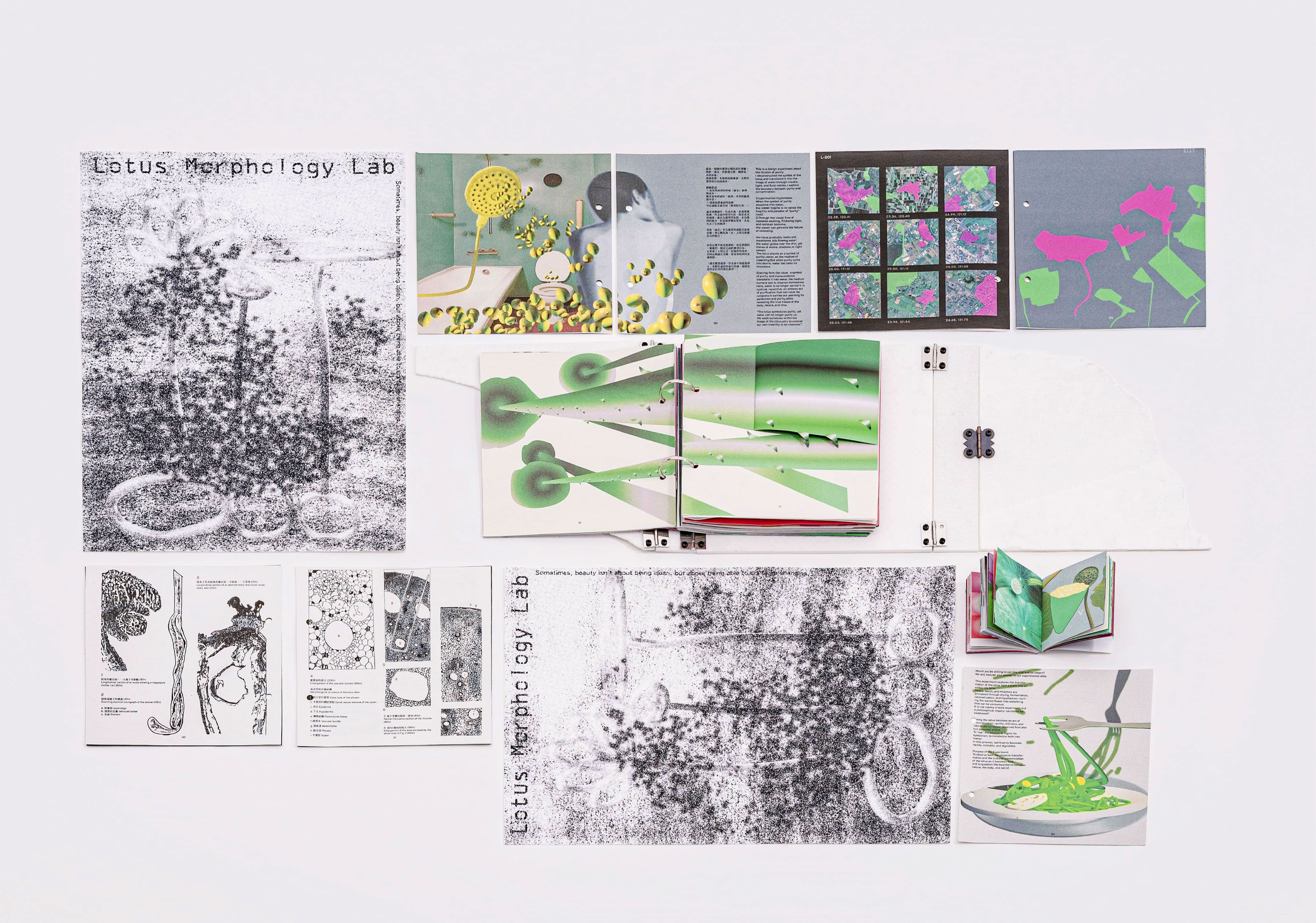
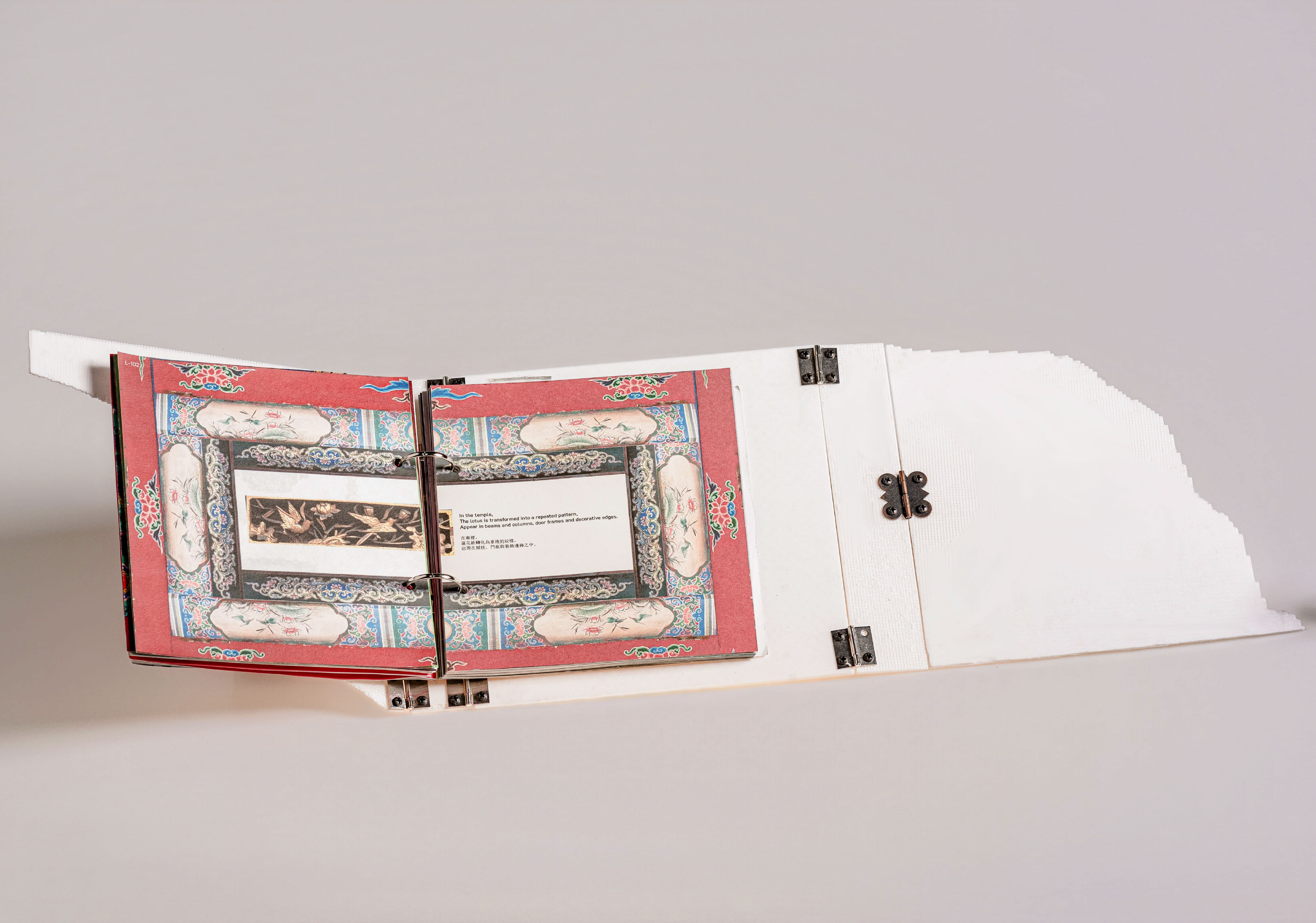
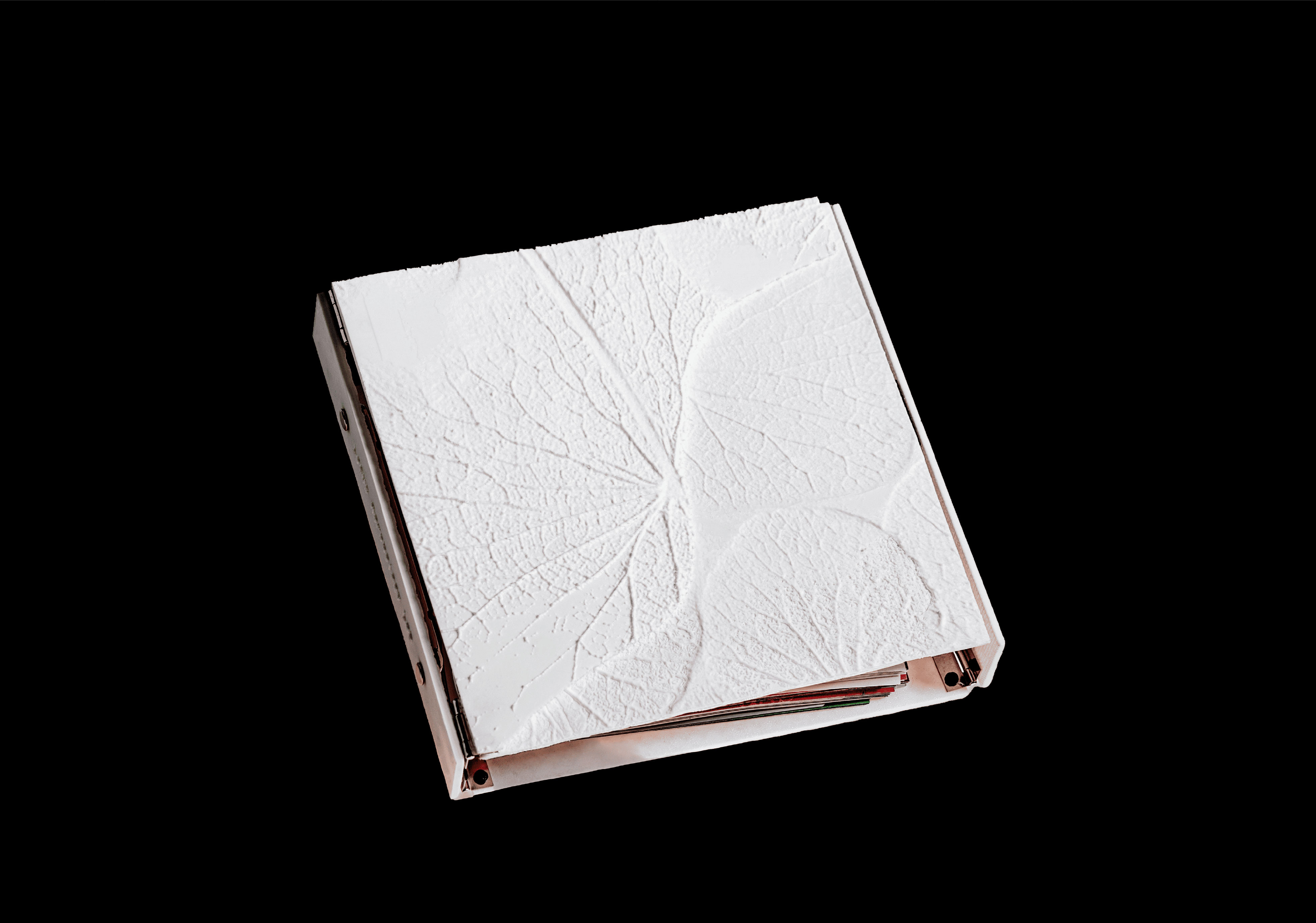
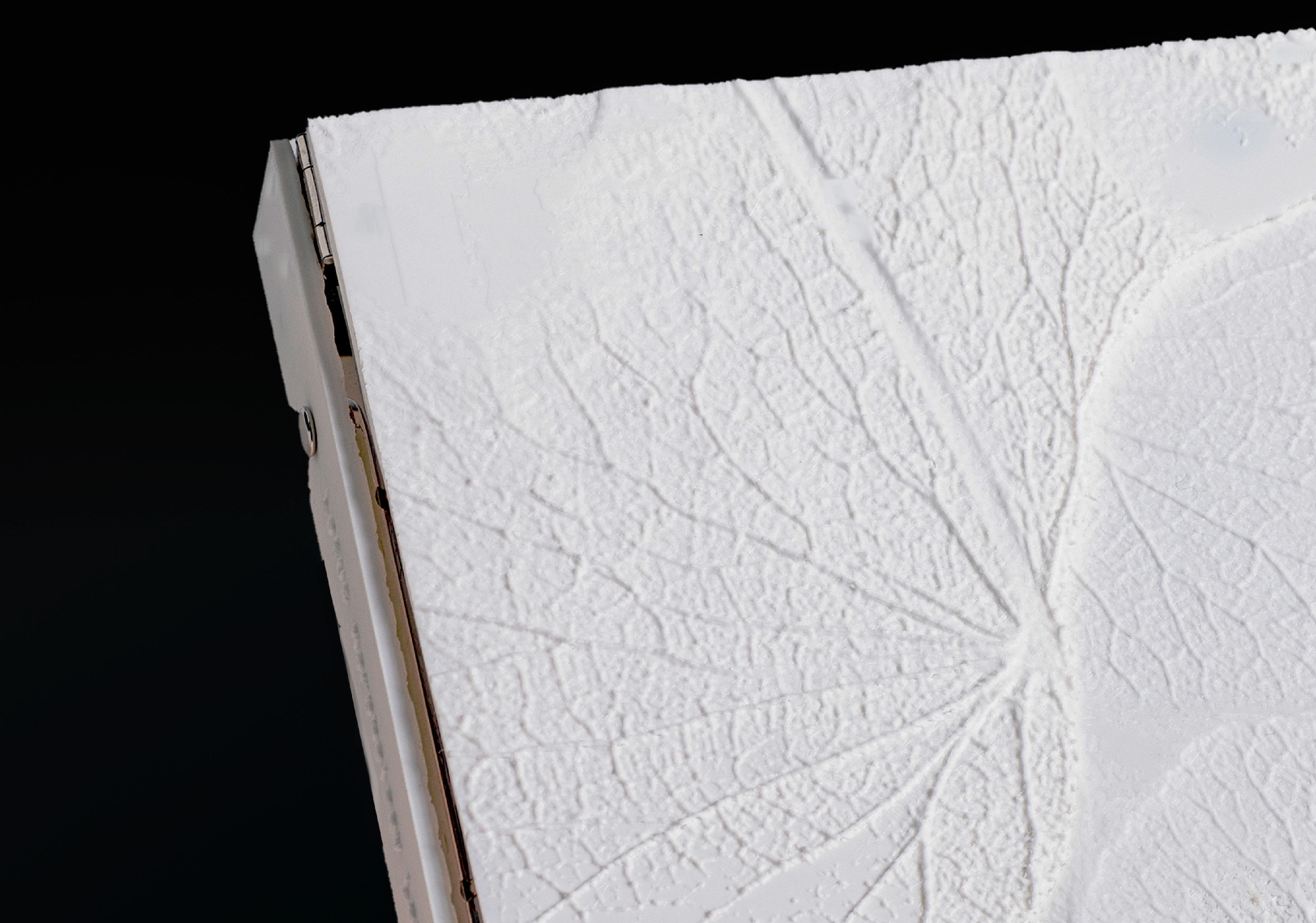
在東亞文化中,蓮花長期被固定為純潔與神聖的象徵,這些文化敘事逐漸取代了人們對植物本身的細緻觀察與理解。
Lotus Morphology Lab 嘗試暫時移除這些既定意義,回到蓮花作為生物個體的原始狀態,重新關注其結構、比例與形態差異。
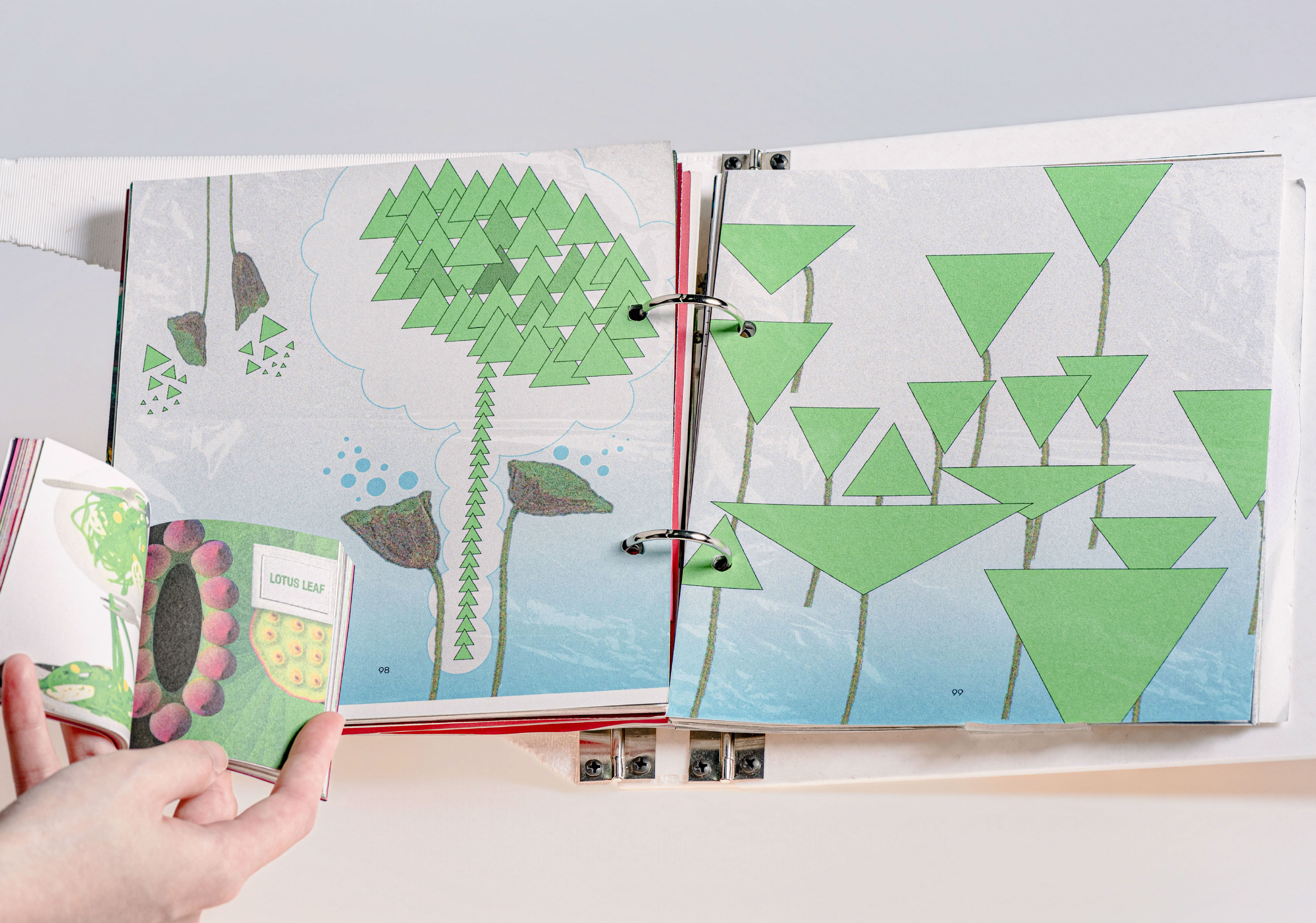
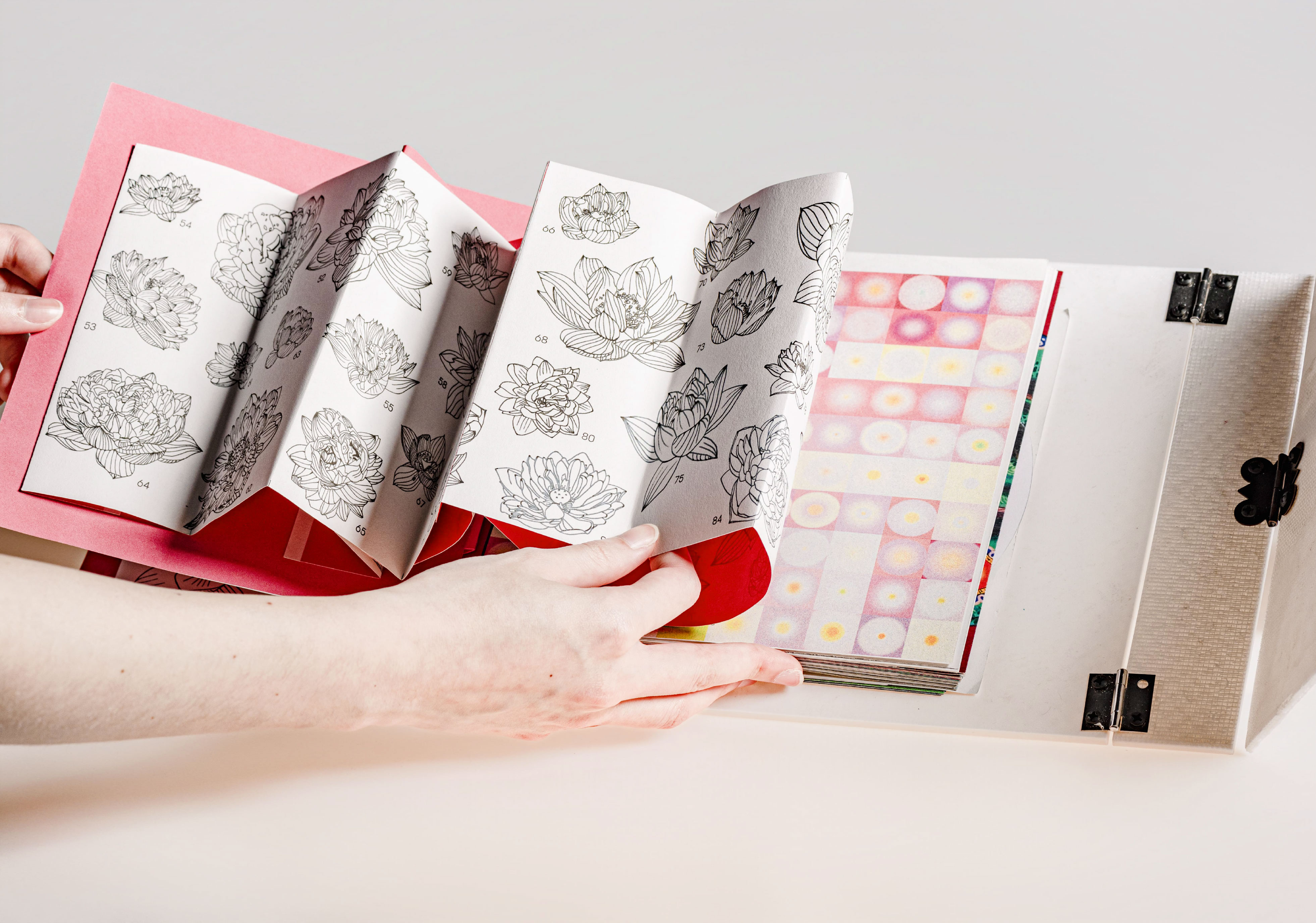
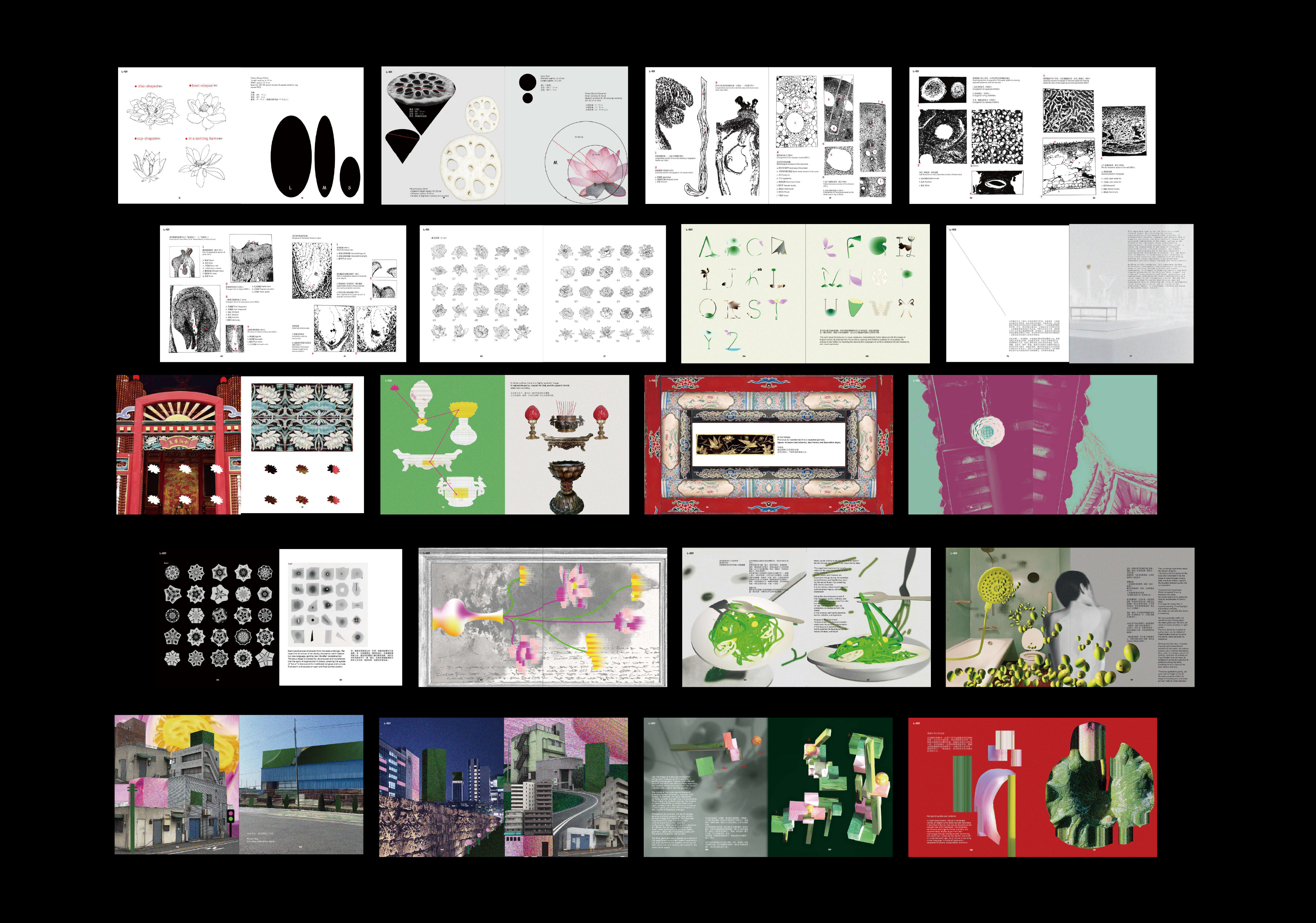
透過對百餘種蓮花進行長時間的觀察、記錄與分類,本研究建立了一套具有系統性的形態檔案,並進一步將花瓣的排列方式、花托的幾何構造與莖部的生長邏輯轉譯為可分析的幾何關係與模組化系統。結合視覺分析方法與 3D 列印實驗,自然形態被轉化為可被拆解、重組與應用的設計語言,拓展其在當代設計中的可能性。
本研究將蓮花視為一個持續生成與變化的系統,而非固定不變的文化象徵。透過觀察、轉譯與再構的過程,設計不僅成為形式生成的工具,也成為重新理解自然形態與知識建構的一種方法。
Lotus Morphology Lab
In East Asian cultures, the lotus has long been defined as a symbol of purity and sacredness. These narratives have gradually replaced direct observation of the plant, reducing it to a repeated symbol with a singular meaning. Lotus Morphology Lab seeks to suspend these assumptions and return to the lotus as a biological entity, focusing on its structure, proportions, and morphological variations.
Through observing, documenting, and classifying over a hundred lotus varieties, this study builds a systematic morphological archive. It translates petal arrangements, receptacle structures, and stem growth into geometric relationships and modular systems. Combined with visual analysis and 3D printing, natural forms are reinterpreted as an operable design language.
This research frames the lotus as a generative system rather than a fixed symbol. Through observation, translation, and reconstruction, design becomes a method for rethinking natural morphology and knowledge construction.
銘傳大學 商業設計學系
(四年級)
沈O岑
銘傳大學 商業設計學系
(四年級)
劉O珊
銘傳大學 商業設計學系
(四年級)
周O軒
銘傳大學 商業設計學系
(四年級) 指導老師 陳OO言
余O吟