木本屋
KIHONYA
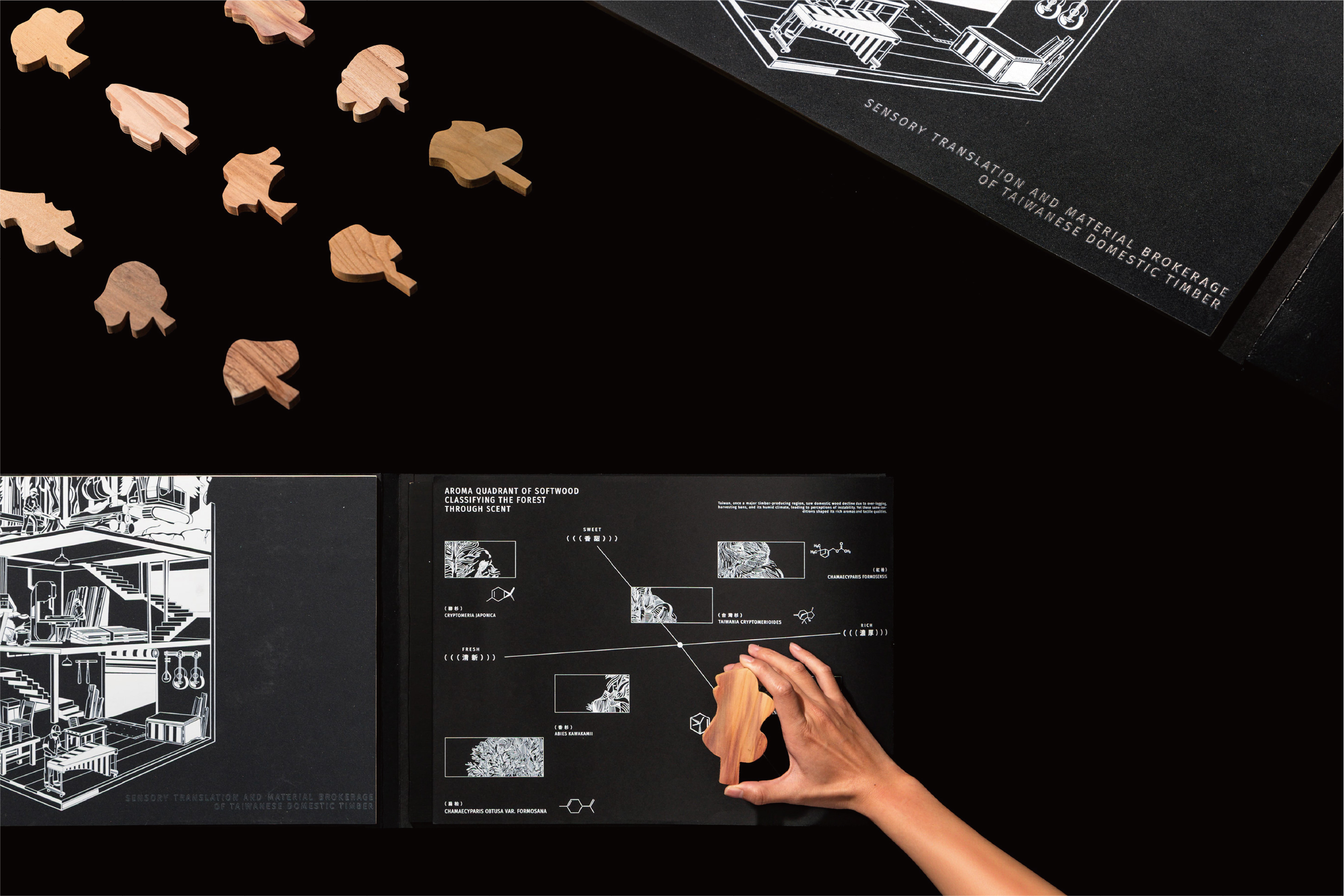
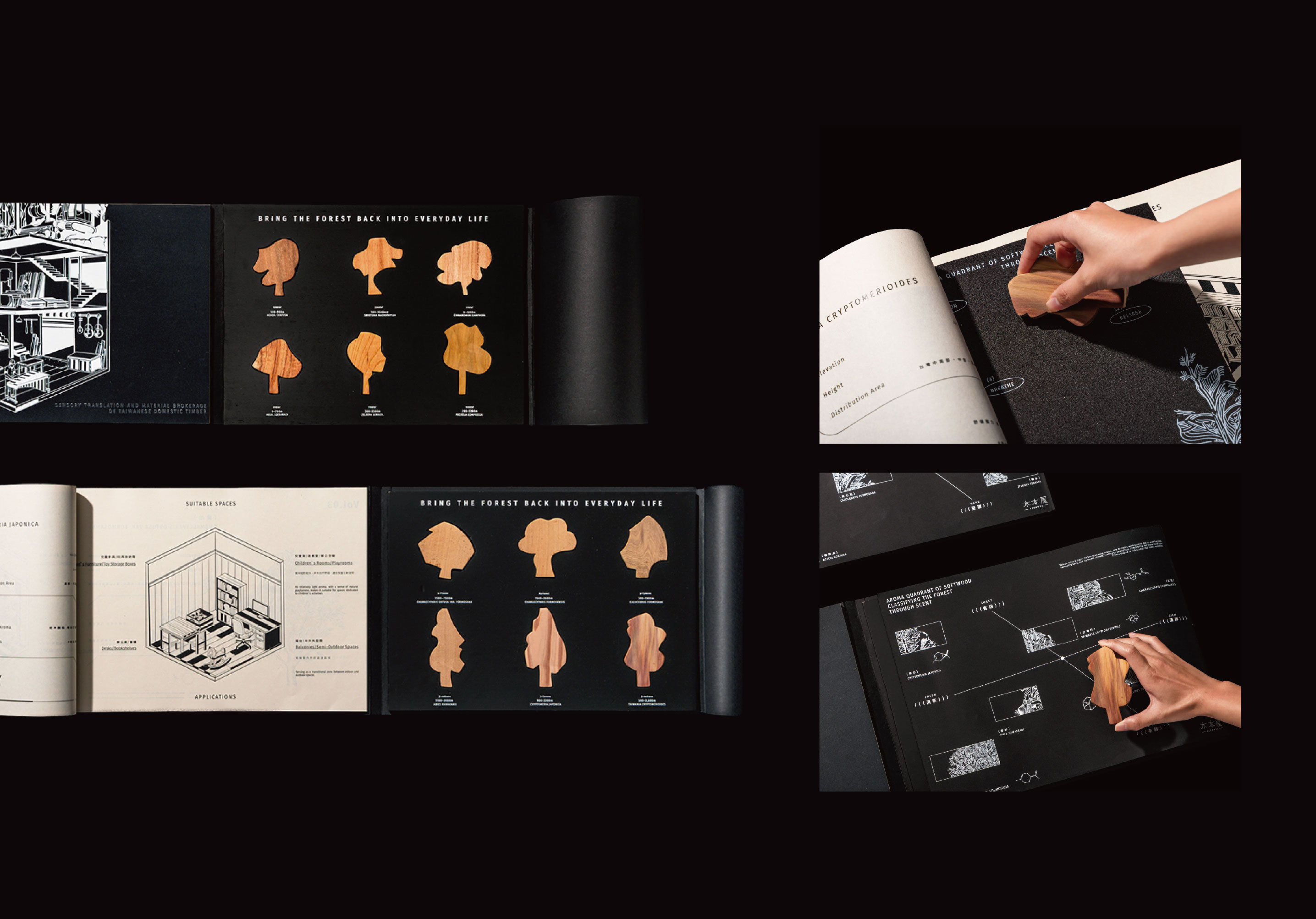
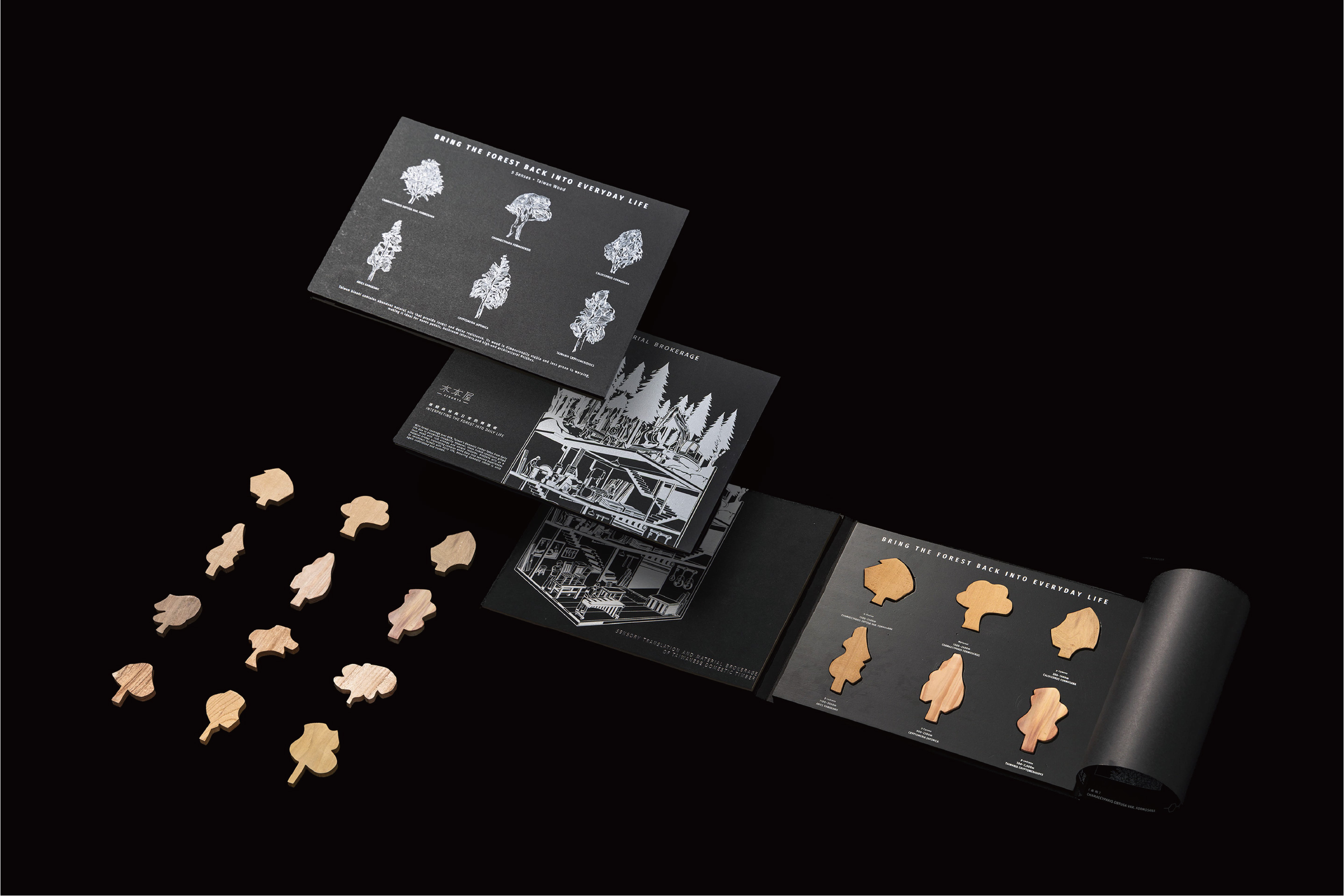
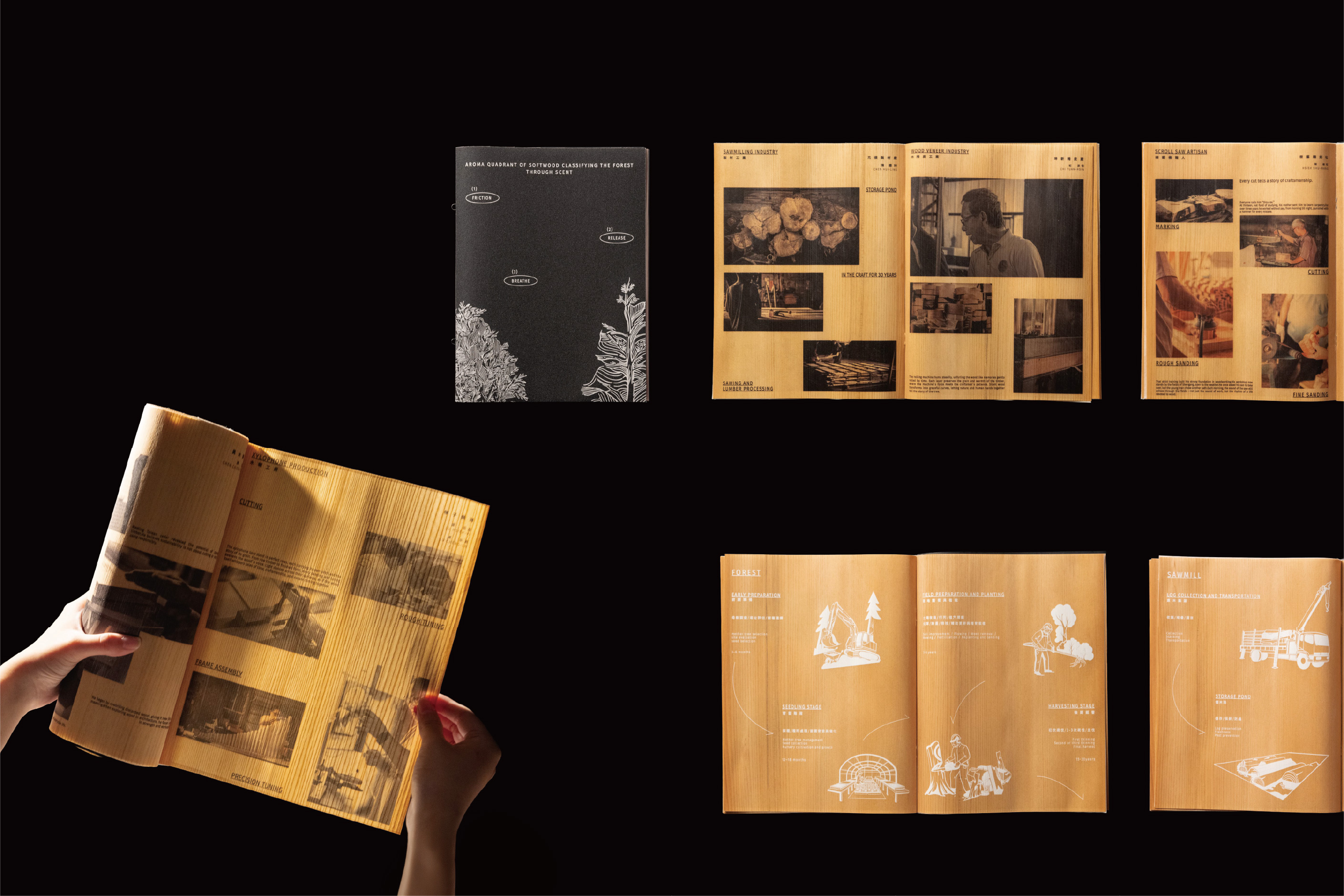
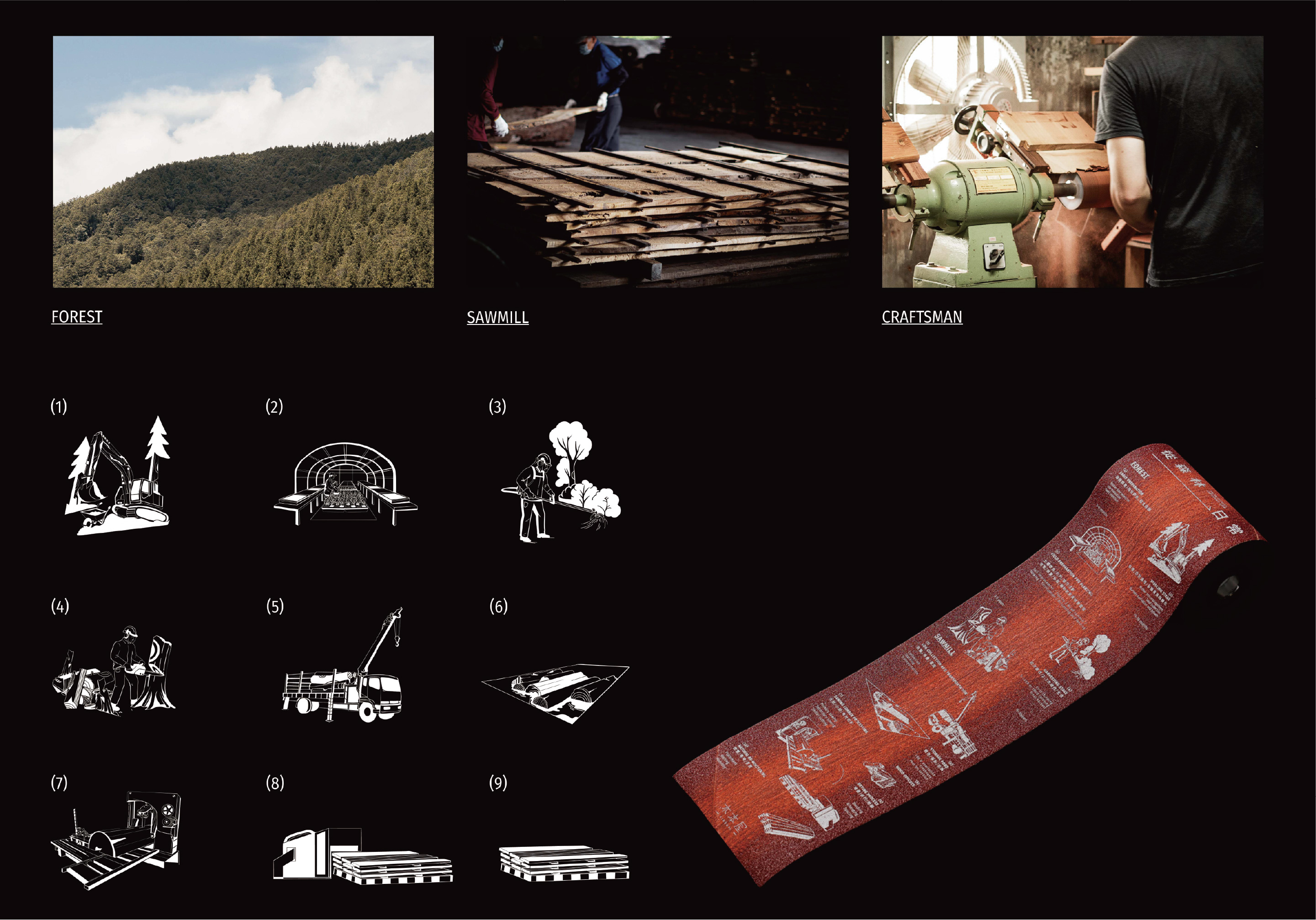
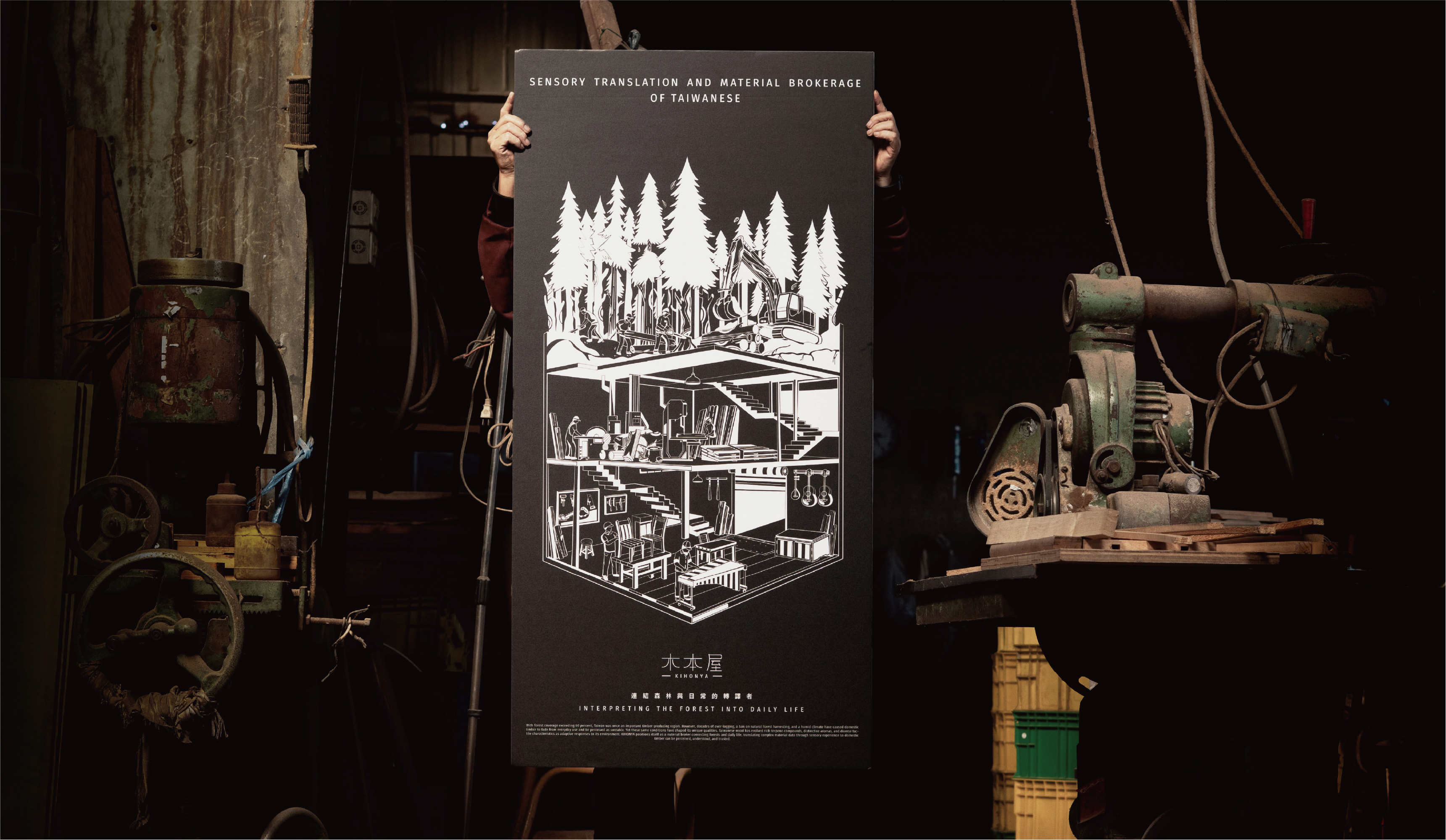
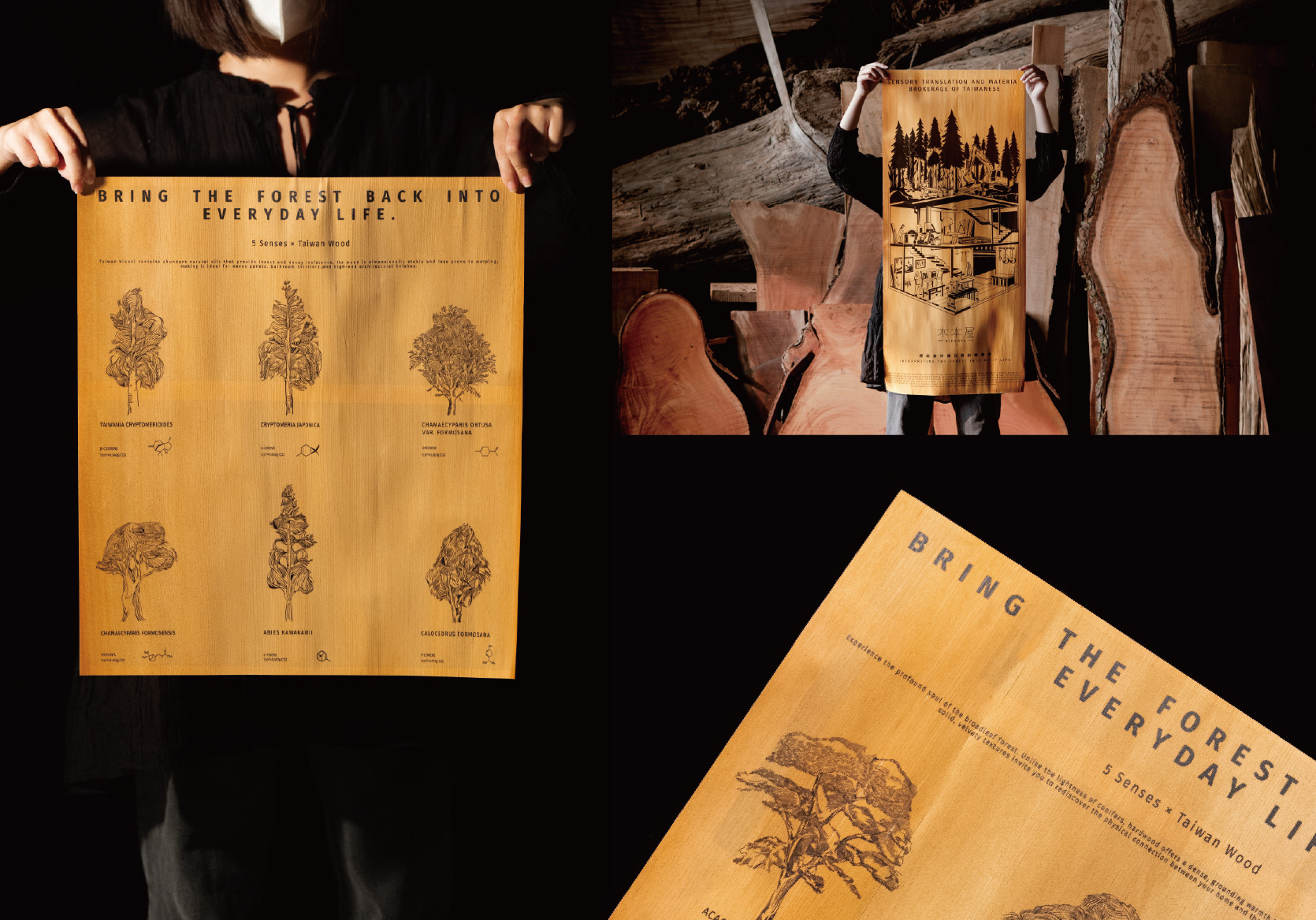
面對台灣木材自給率低於 1% 的現狀,我們系統化地整合了 12 種產量穩定的在地人工林原生樹種,將其轉化為可感知、可導引的實體樣本。這套樣品書不僅紀錄了職人的加工技藝,更發揮國產材耐濕、抗腐與特有芳香的適地性,透過專業的紋理分類與物性導引,讓設計師與使用者能精準地將在地資源導入生活空間。
木材含有 50% 的碳,當我們透過樣品書將國產材引導至家具與室內建材中,家便不再只是居住空間,而是都市中的碳匯據點。在森林端,我們推廣計畫性疏伐以活化吸碳巔峰期的林木,而這本樣品書則是這場循環路徑的最後一哩路——它讓生長趨緩的林木轉化為耐用的生活資產,將原本隱沒於深山的固碳價值,具象化為觸手可及的溫潤質地。
透過這套系統化的導覽工具,每一件由樣品書衍生而出的家具,這不僅是減碳美學的實踐,更是一場關於「自給力」的覺醒:讓我們在面對極端氣候與環境變遷威脅時,能依靠這份對本土資源的深刻理解與掌握,在都市林立的鋼筋混凝土中,重建地產地消的生命網絡。
KIHONYA
Facing Taiwan's timber self-sufficiency rate of less than 1%, we integrated 12 indigenous species into a physical "Sample Book." This systematic tool empowers designers to utilize domestic wood by highlighting its natural decay resistance and unique aroma. Since wood is 50% carbon, integrating it into furniture transforms homes into urban carbon sinks. We advocate for planned thinning to revitalize forests, turning slow-growing timber into durable lifestyle assets. Beyond aesthetics, this initiative rebuilds a resilient "produced local, consumed local" life network, achieving true self-sufficiency and environmental awareness in our modern concrete cities.
嶺東科技大學 視覺傳達設計系
(四年級)
張O玲
嶺東科技大學 視覺傳達設計系
(四年級)
蔡O旻
嶺東科技大學 視覺傳達設計系
(四年級) 指導老師 藍O憲
陳O桓