水織聚所
ECO-Union
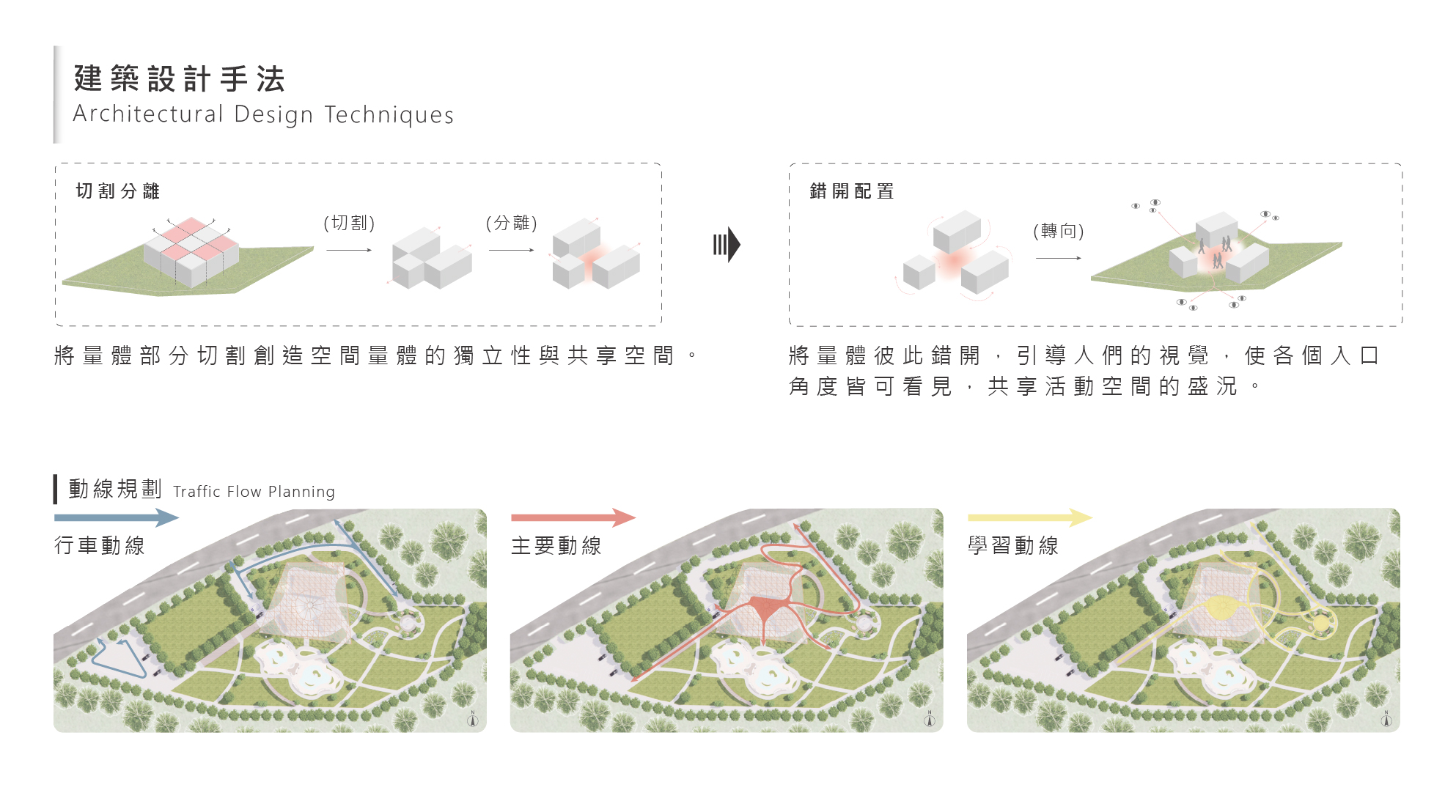
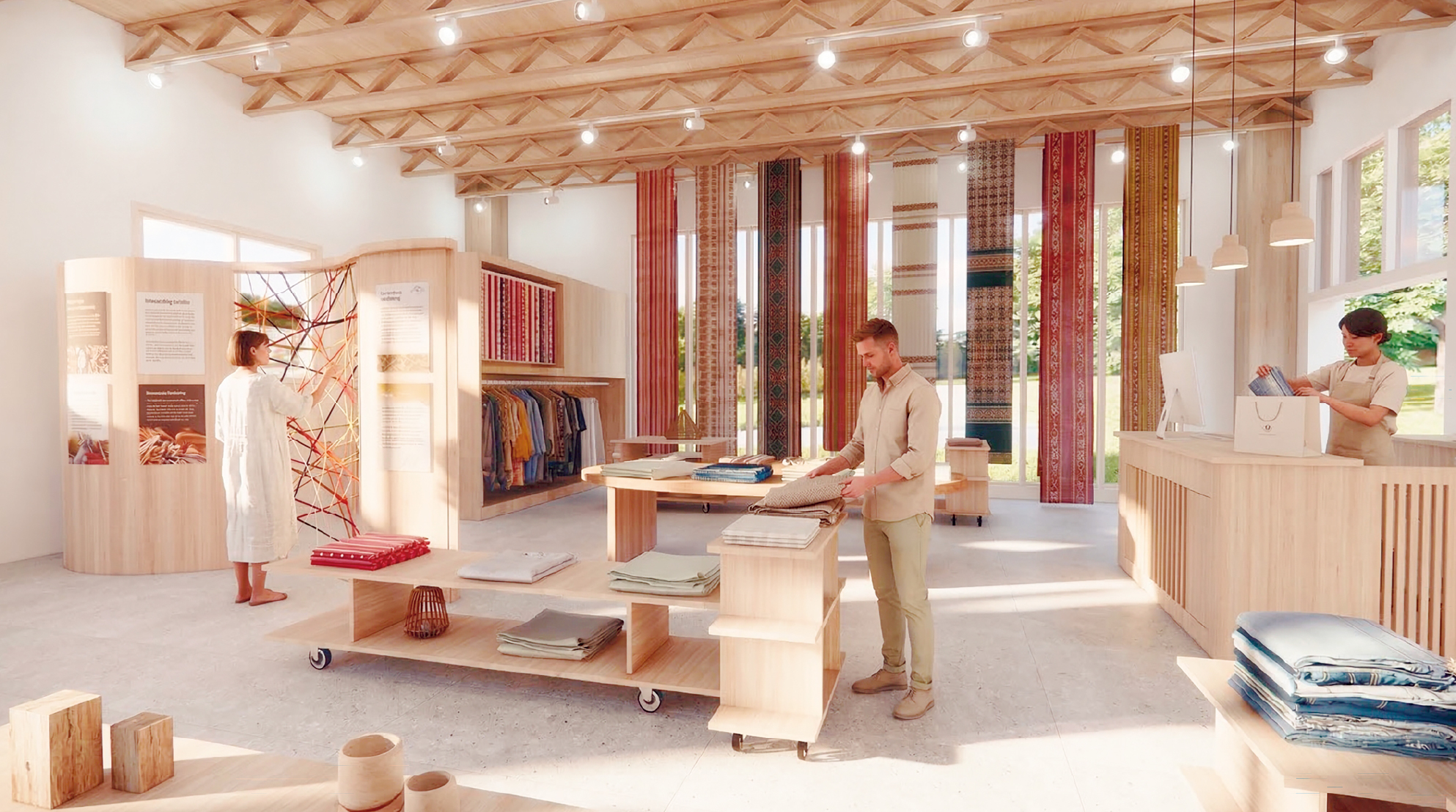
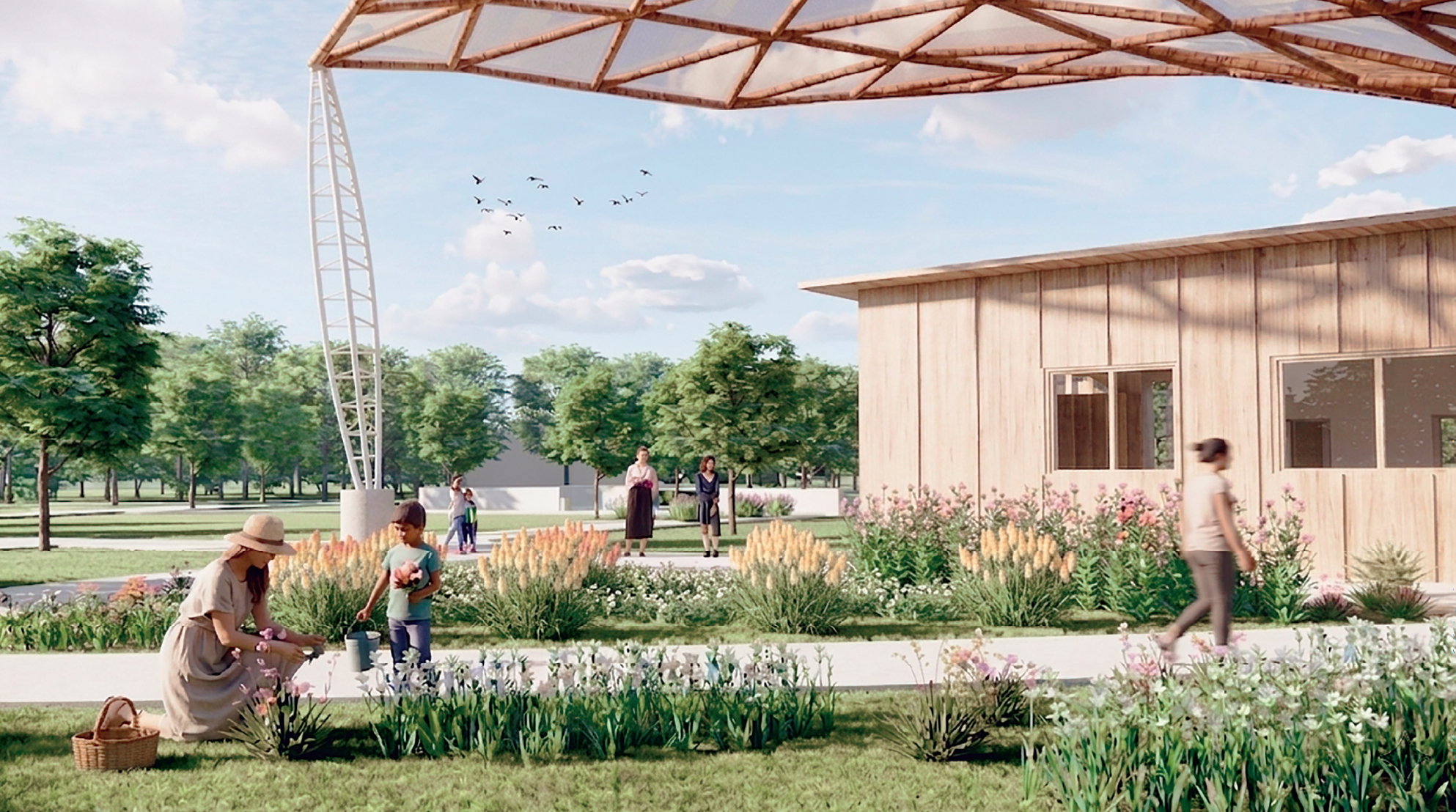
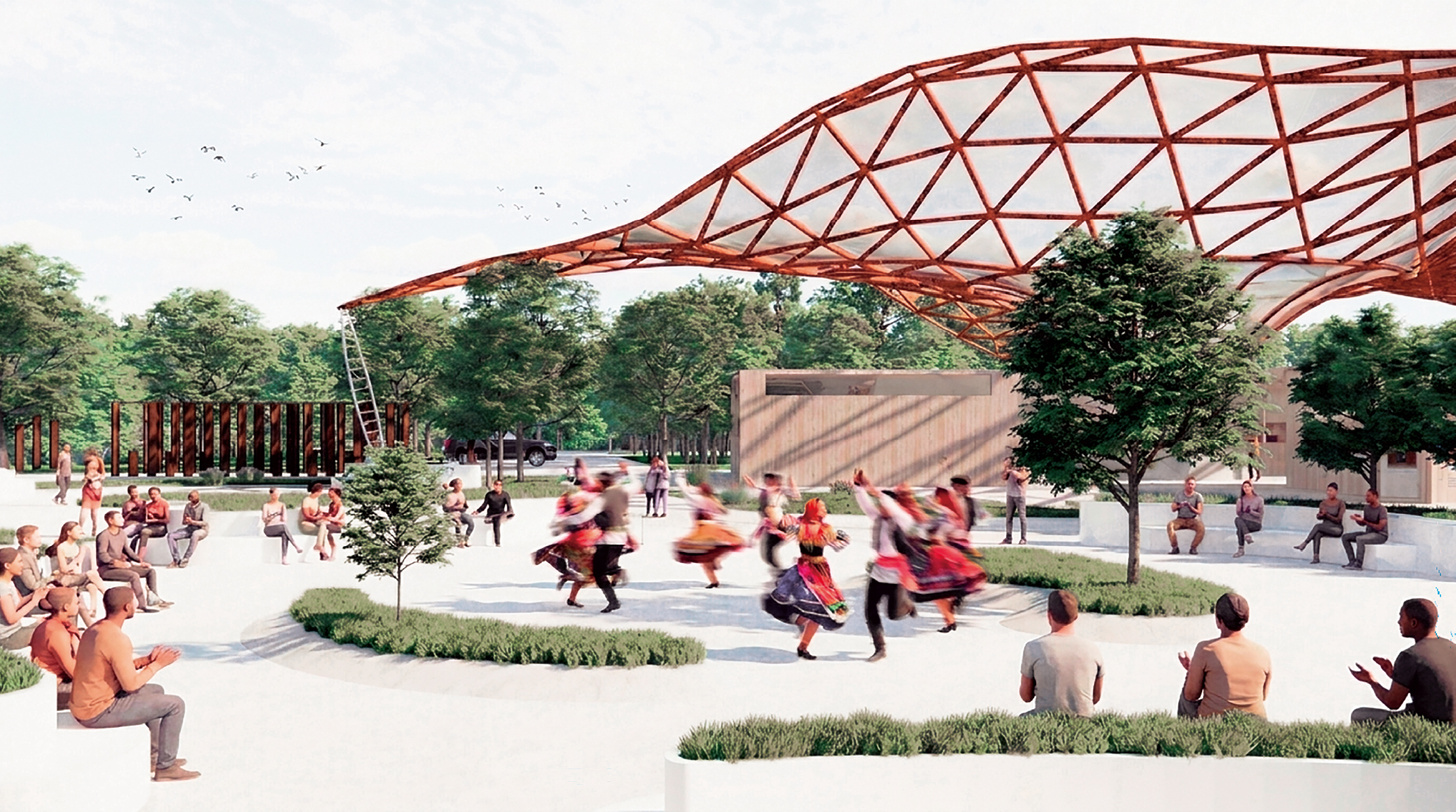
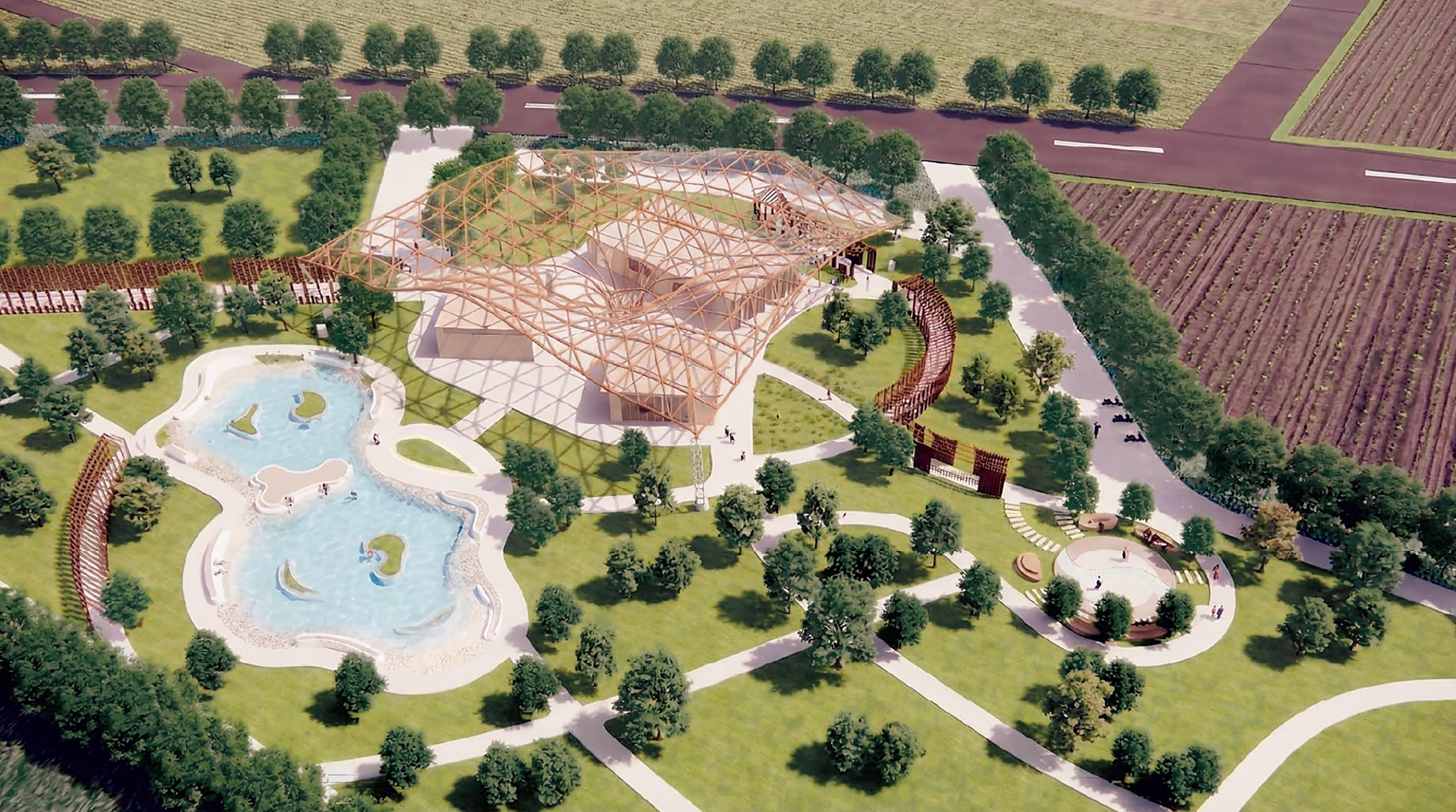
以臺東縣鹿野鄉都市計畫內長期閒置的公園用地為基地,針對地方公園功能單一、過度偏重兒童遊憩而忽略多元族群共處的現狀,本專題透過空間再設計重新定義公園角色,並轉化為一處可供不同年齡層及族群,交流互動的友善共融場域。
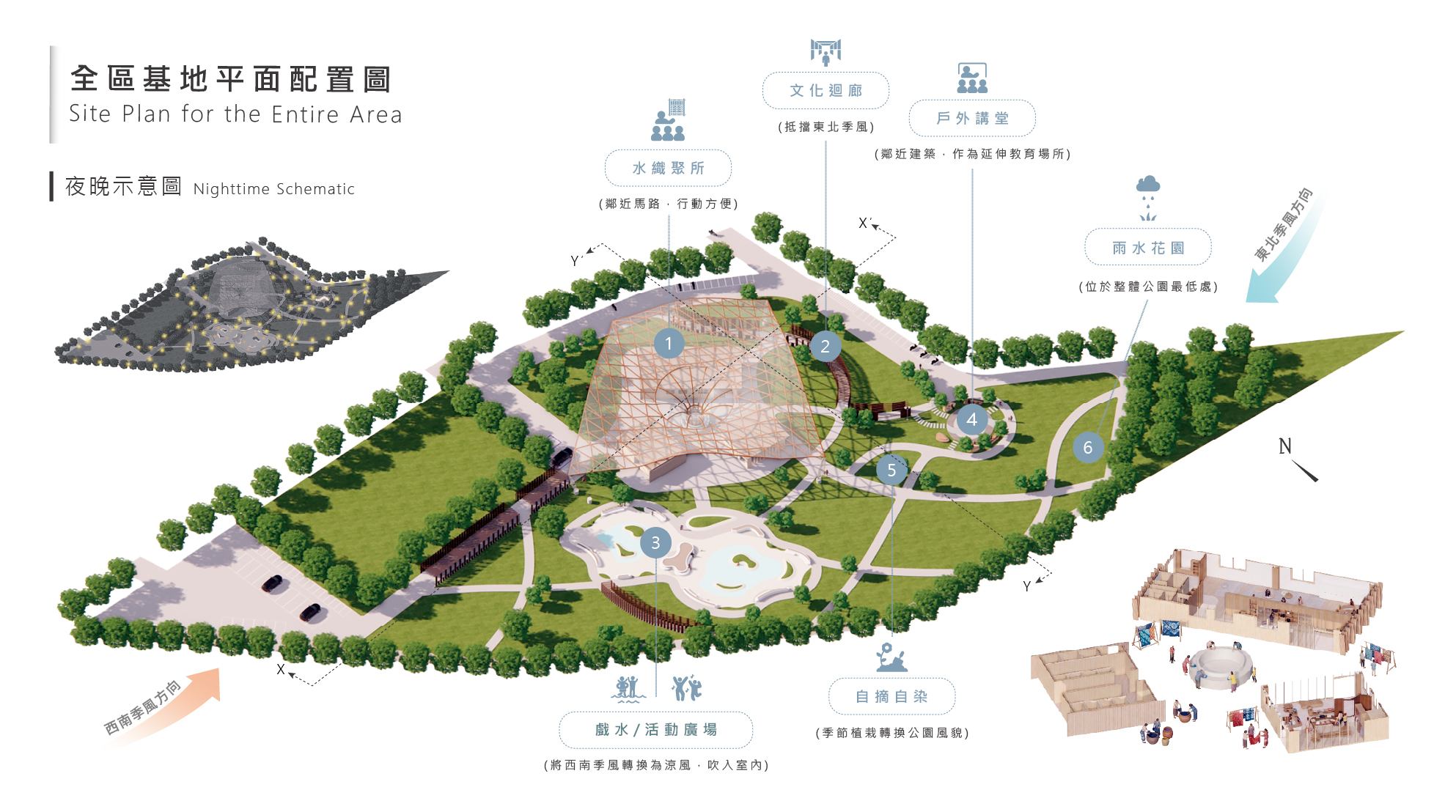
設計以公園作為文化與生活的載體,導入布農族傳統紡織與植物染文化,規劃「水織聚所」作為核心空間。透過教學、展示與自摘自染的體驗課程,使傳統技藝從單純的觀光展示回歸日常,在實踐中促進族人、居民與遊客間的深度互動。空間上利用步道串聯歇憩節點、戶外講堂與戲水廣場,以低門檻的開放性設施,形塑具包容性的公共生活場景。
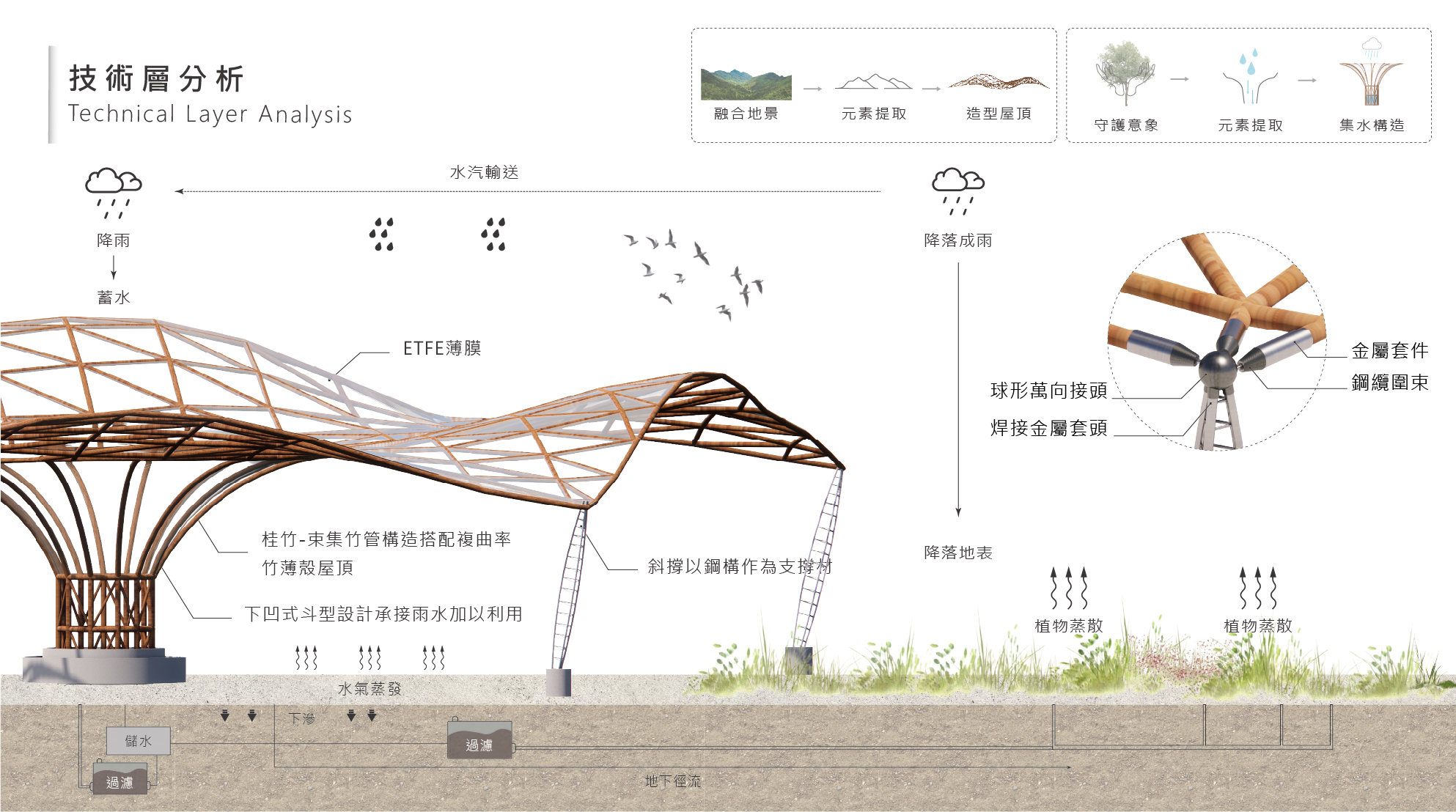
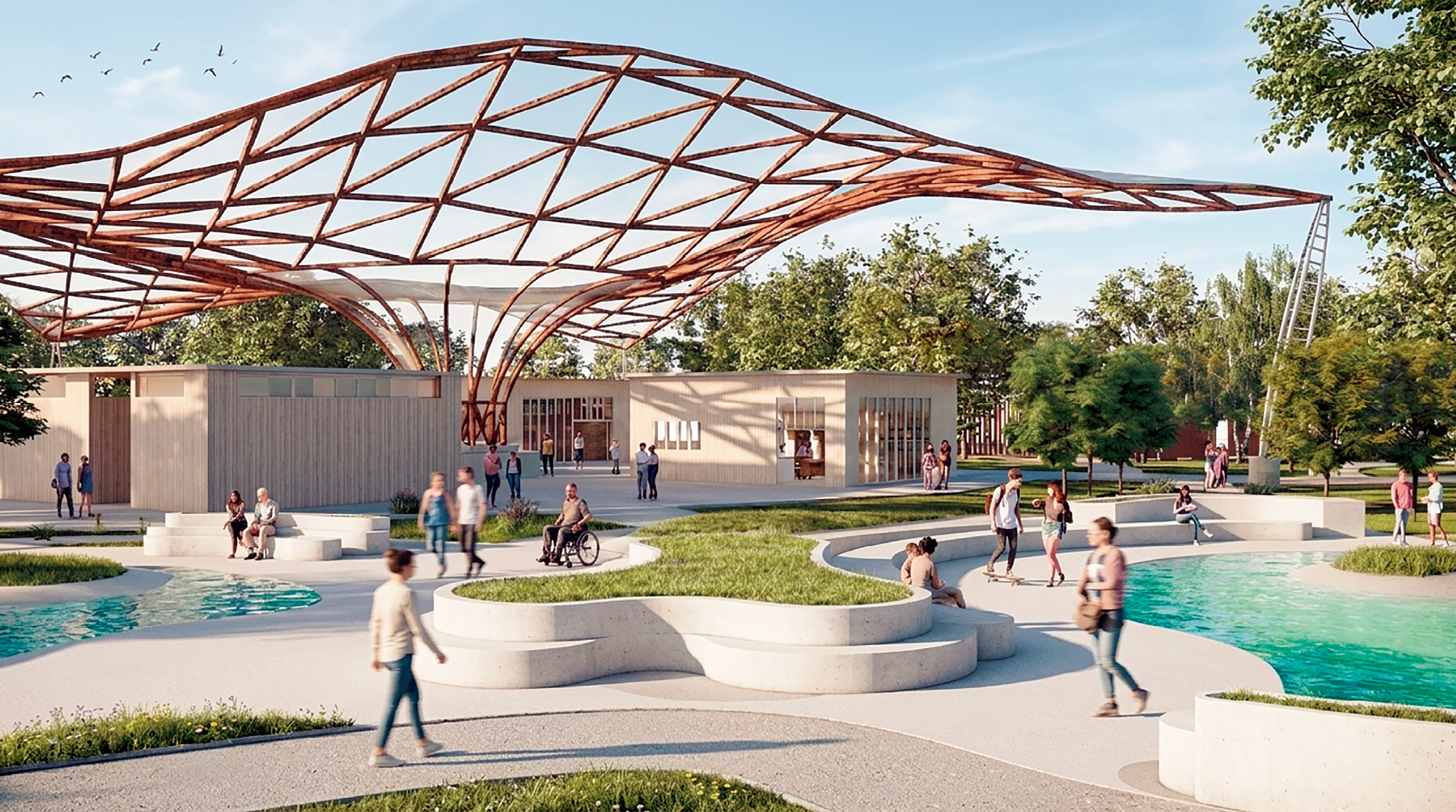
因應周遭環境特質,建築屋頂取山巒意象,以輕盈的膜狀構造形成起伏形態,並結合漏斗式集水設計與低衝擊開發策略,實現自然資源的循環利用。材料則選用ETFE膜、國產材柳杉與桂竹,以永續策略回應土地條件。我們相信,透過「文化實踐」與「生態策略」的整合,公園將不僅是休憩空間,更是連結文化、社區與自然的共享平台,重塑地方公共空間的可能性。
ECO-Union
Redesigning idle urban parkland in Luye, Taitung, this project transforms the site into a friendly, inclusive space. By redefining the park’s role, the design fosters interaction across diverse age and ethnic groups, creating a vibrant communal hub.
As a cultural carrier, "Water Weaving Gathering" integrates Bunun weaving and plant-dyeing into daily life. Through workshops and "pick-and-dye" experiences, it fosters interaction among tribes, residents, and tourists. Spatially, a trail links nodes, lecture halls, and plazas, creating an inclusive environment where cultural heritage and communal life seamlessly intertwine.
Responding to the environment, an undulating membrane roof adopts mountain imagery, integrating LID and funnel-style water collection. Sustainable ETFE, cedar, and Makino bamboo honor local conditions, merging culture with ecology to transcend recreation and redefine local public space.
國立屏東科技大學 木材科學與設計系
(四年級)
褚O玲
國立屏東科技大學 木材科學與設計系
(四年級)
施O婷
國立屏東科技大學 木材科學與設計系
(四年級) 指導老師 馮O豪
鄧O鈞