記形
ji sing
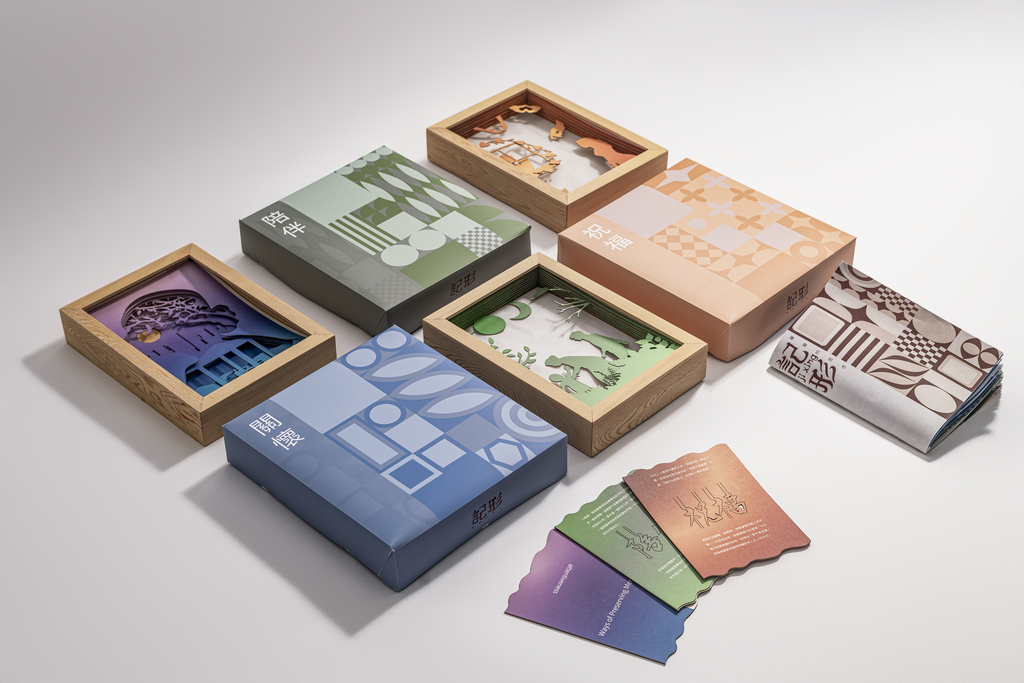
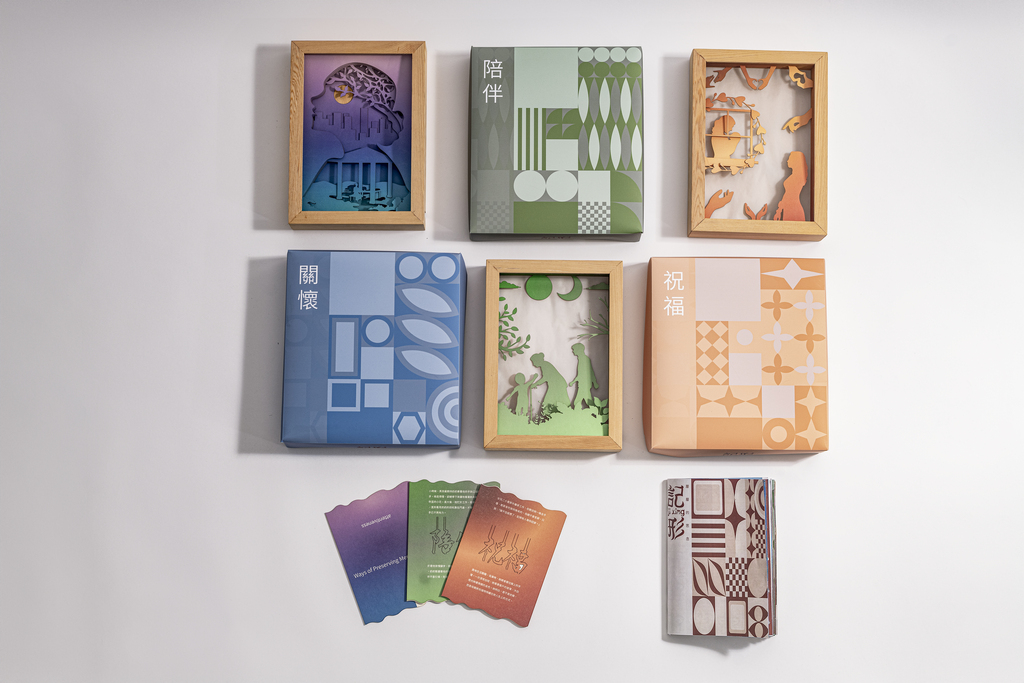
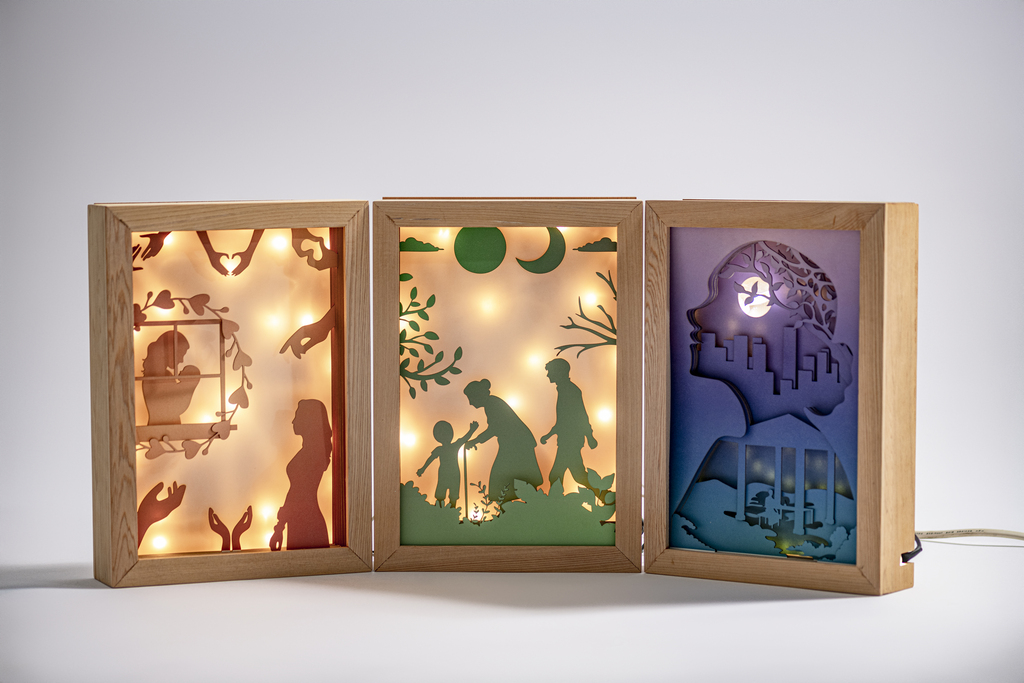
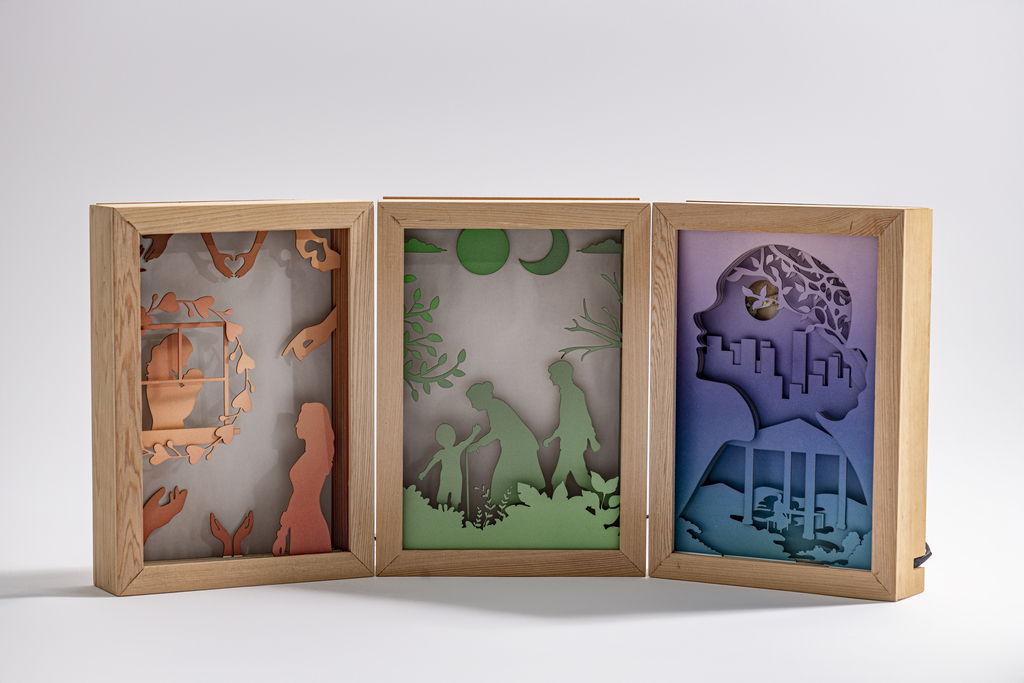
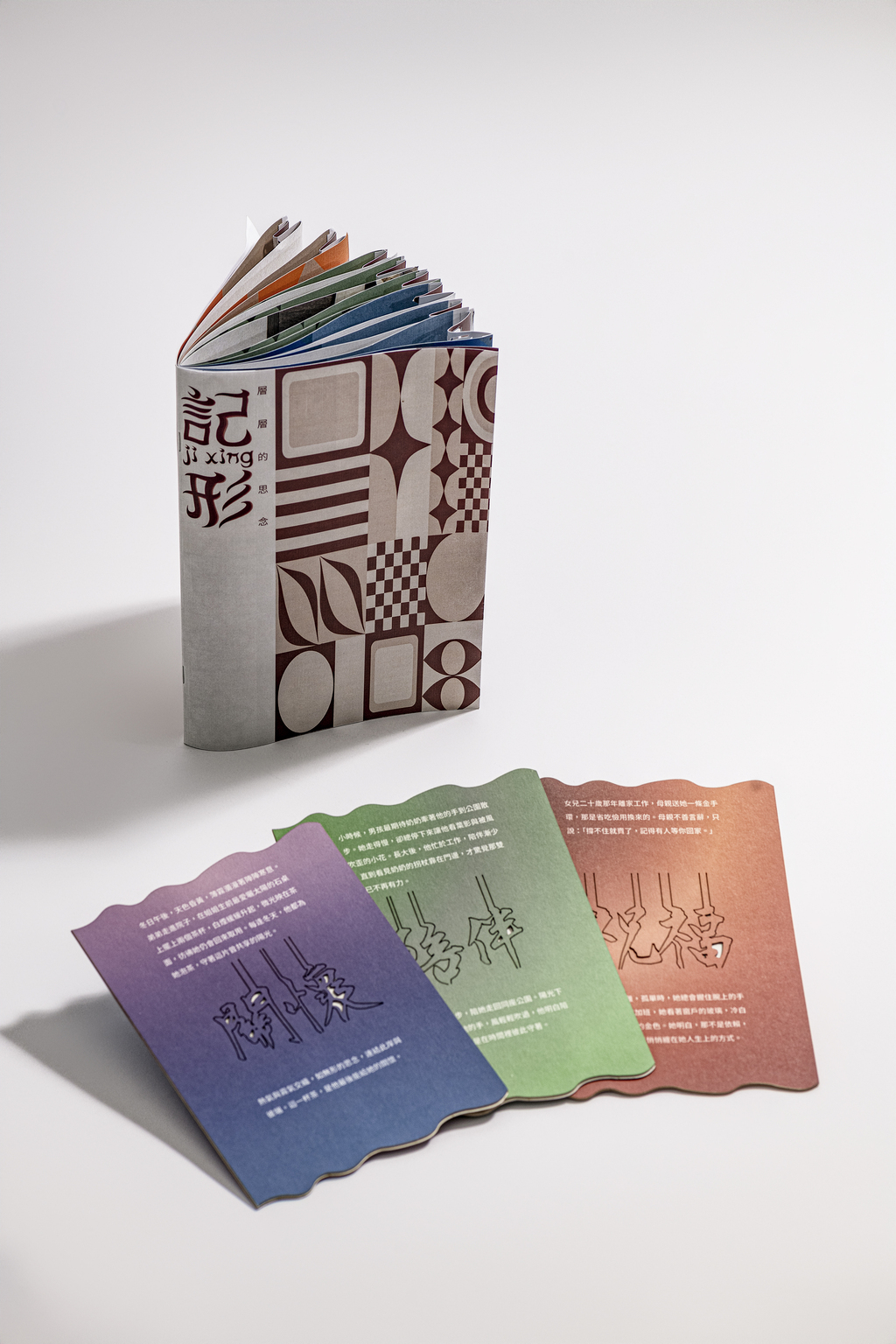
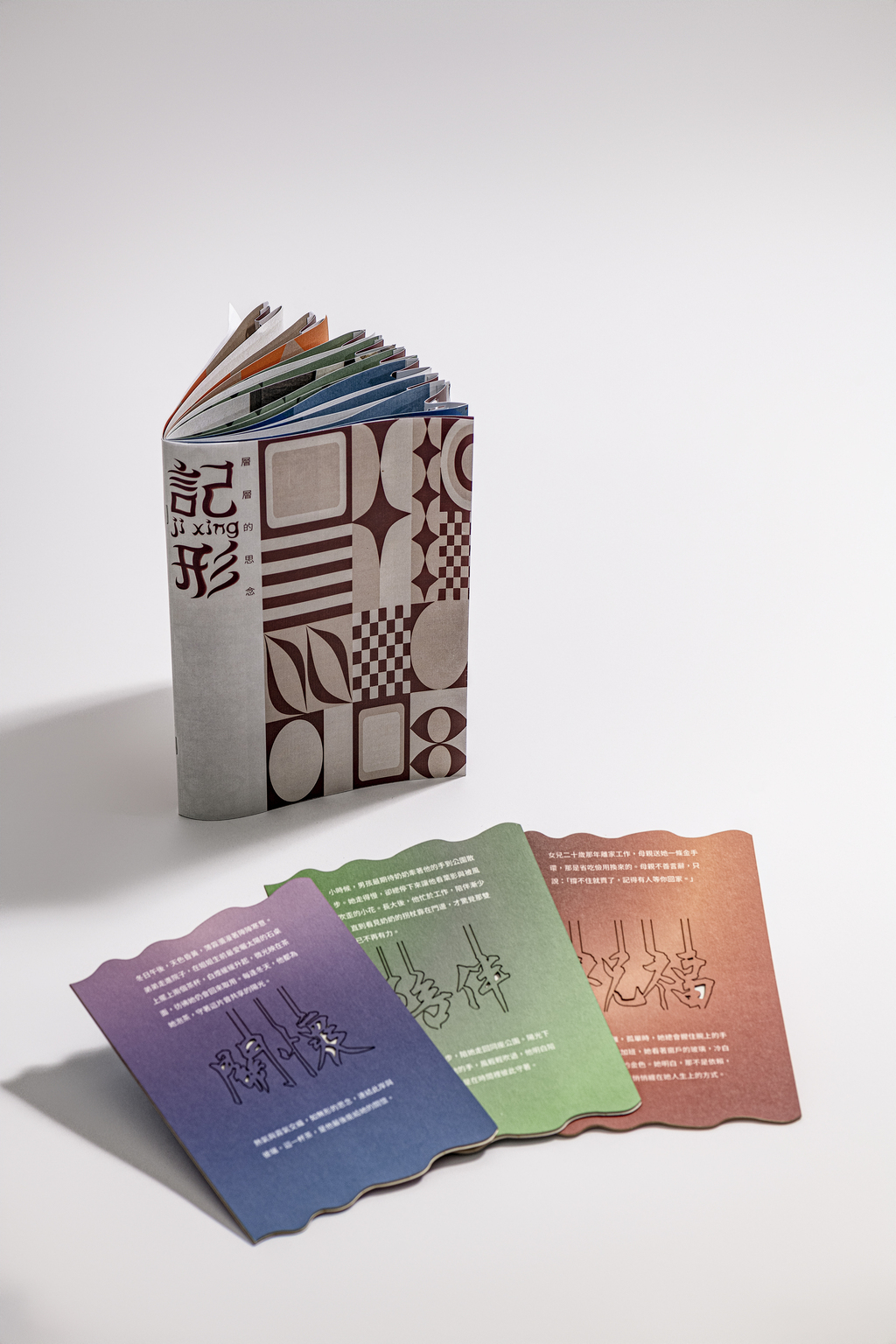
記 —— 思念的回憶、記憶;
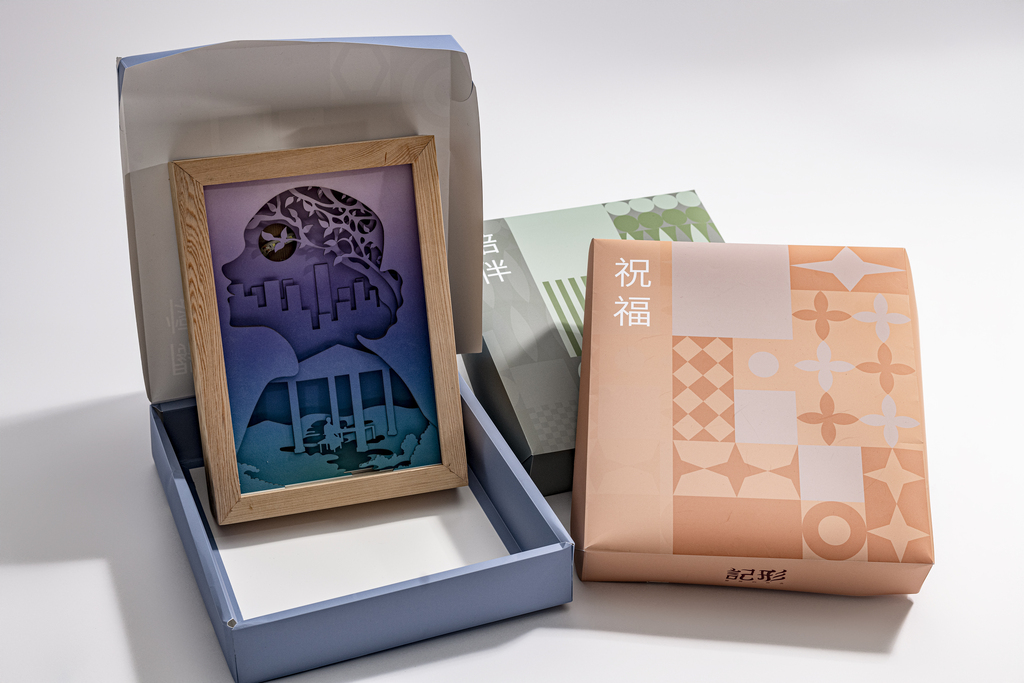
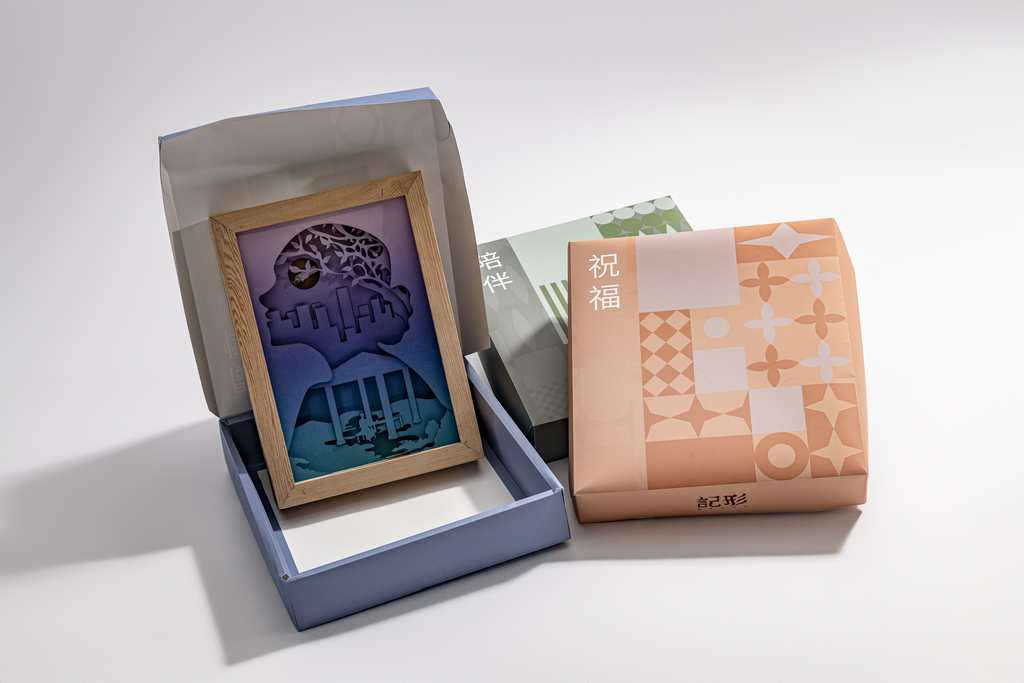
形 —— 則暗示回憶、記憶的具體化,把抽象的思念轉化為可視的「形」。將回憶理解為一種必須被「重新建構」的心理空間,而非可被直接觀看的影像或物件。
概念:記憶在時間中不斷被選擇、遮蔽與重寫,留下來的往往是感受而非事件本身。作品以紙藝為媒介,將回憶中不同層次的元素加以轉化與整合,使這些抽象元素形成可被觀看與理解的立體關係,讓回憶不再停留於個人內在,而是以空間與結構的形式被呈現,展現記憶複雜且多重的樣貌。
動機:源自對西方文化「記憶盒」的思考,人們習慣將重要卻零散的回憶收納、封存於某個容器中,隨時間推移,內容逐漸模糊,卻仍承載情感重量。這些記憶不一定被頻繁開啟,卻在某些時刻再次被觸發。
相較於影像所提供的確定性,這種曾被存放、被遺忘又被喚起的狀態,更貼近真實的記憶經驗。因此希望透過紙藝構成如「記憶盒」般的立體形式,將回憶轉化為可被觀看與重新理解的空間結構。
目的:透過結構的內外關係與層次安排,使記憶不再被視為單一且固定的內容,而是一個可被觀看與重新詮釋的過程。作品期望引導觀者在觀看與靠近的行為中,思考自身如何保存重要記憶,以及哪些回憶被保留、哪些逐漸被忽略,進而理解記憶作為心理空間與情感容器的意義。
ji sing
Ji (記) refers to remembrance and memory, while Xing(形) suggests the visualization of memory, transforming abstract thoughts and emotions into visible forms.
Concept:
Memory is constantly selected, obscured, and rewritten over time, leaving behind emotional impressions rather than the events themselves. Using paper art as the primary medium, the work transforms layered memories into spatial forms. Through structure and layering, abstract elements are organized into three-dimensional relationships, revealing the complexity of memory.
Motivation:
Inspired by the concept of the “memory box,” where people store fragmented yet meaningful memories, this work reflects how memories fade over time but still carry emotional weight.
Purpose:
Through spatial structure and layered composition, the work invites viewers to reflect on how memories are preserved, forgotten, and reinterpreted, presenting memory as both a psychological space and an emotional container.
銘傳大學 商業設計系
(四年級)
蔡O涵
銘傳大學 商業設計系
(四年級)
陳O棣
銘傳大學 商業設計系
(四年級)
莫O喬
銘傳大學 商業設計系
(四年級) 指導老師 蘇O祥
馮O芝