瓦屋續篇:客家生活街道的空間重構
Beyond the Tile House: Reconstructing a Hakka Living Street
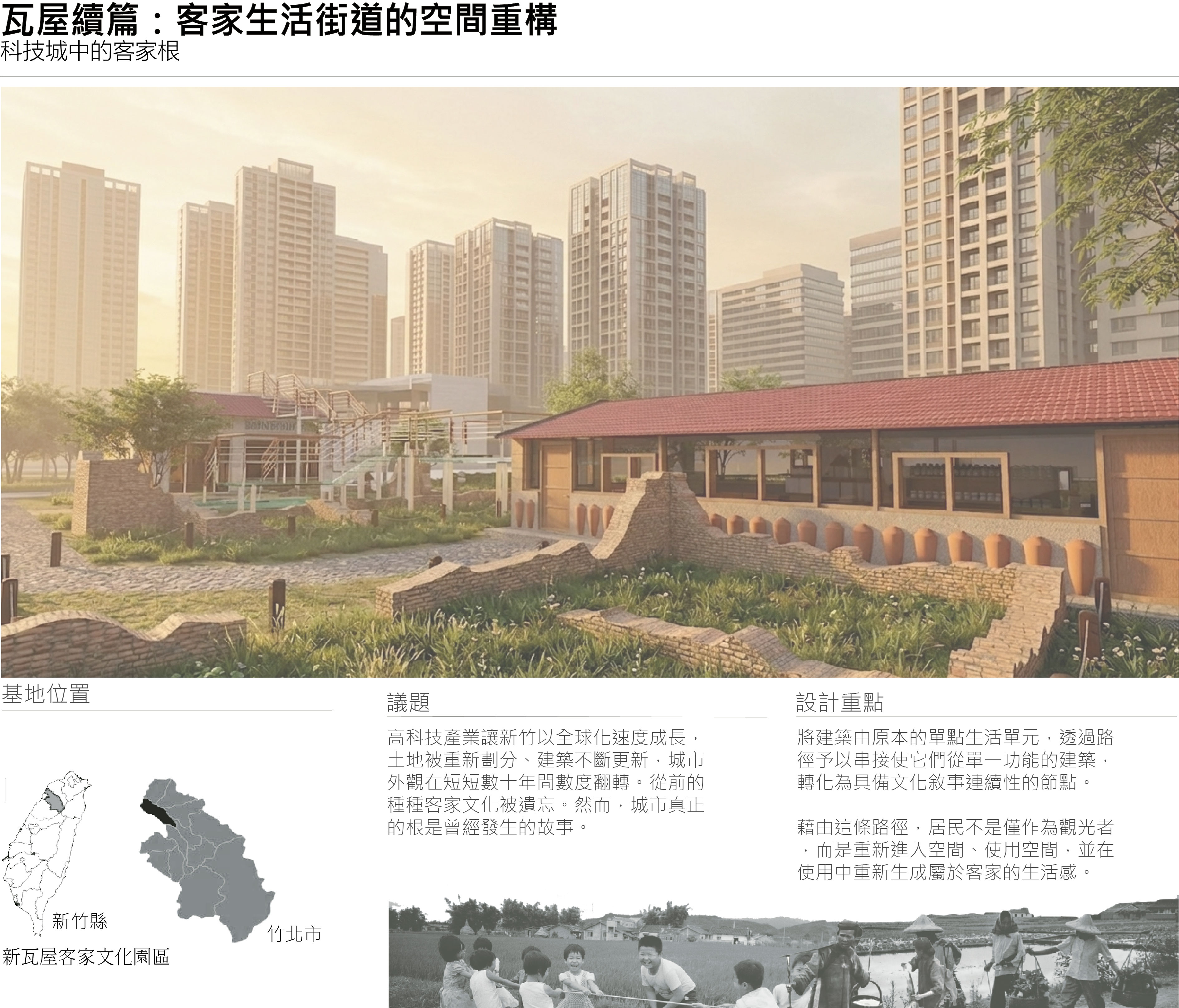
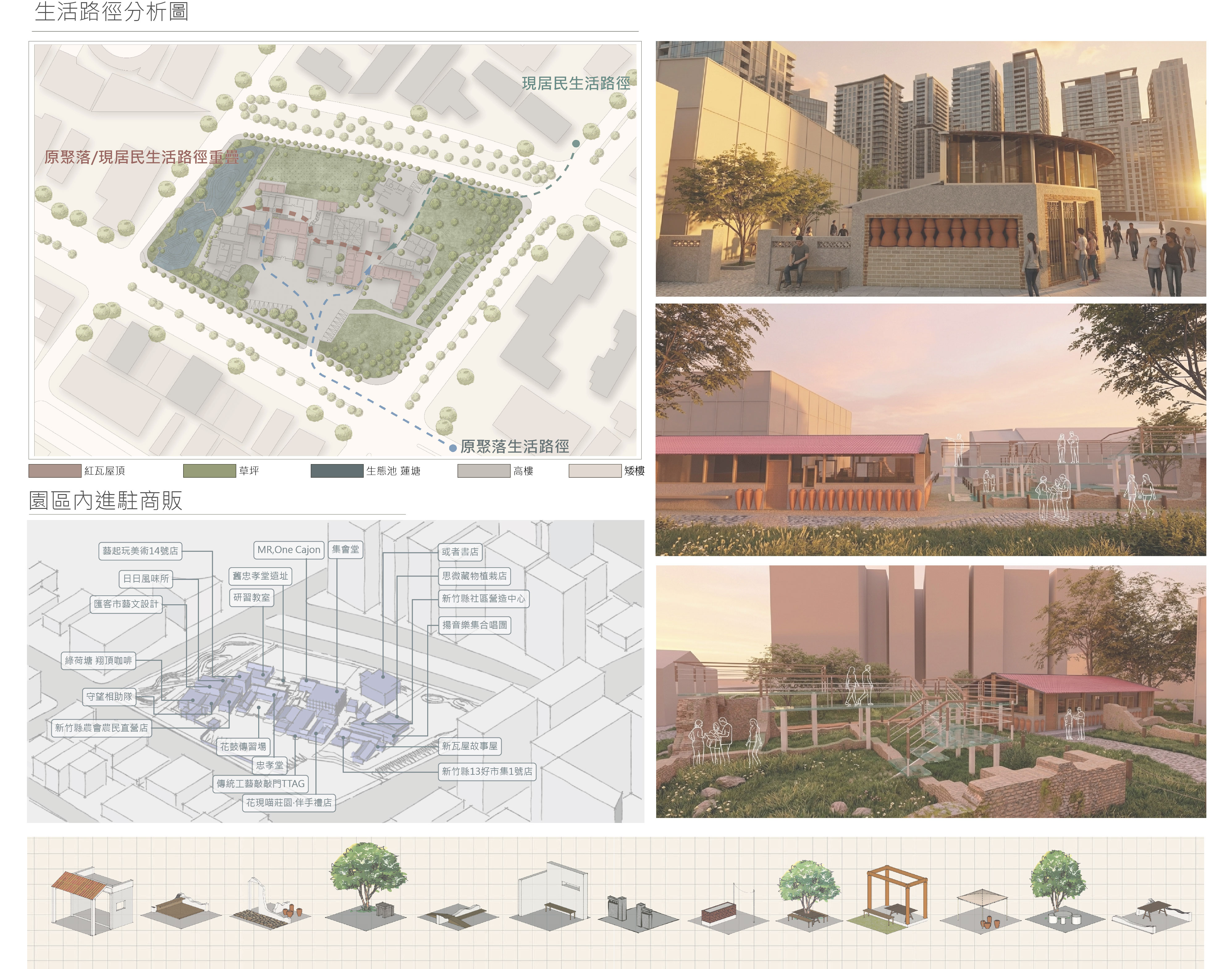
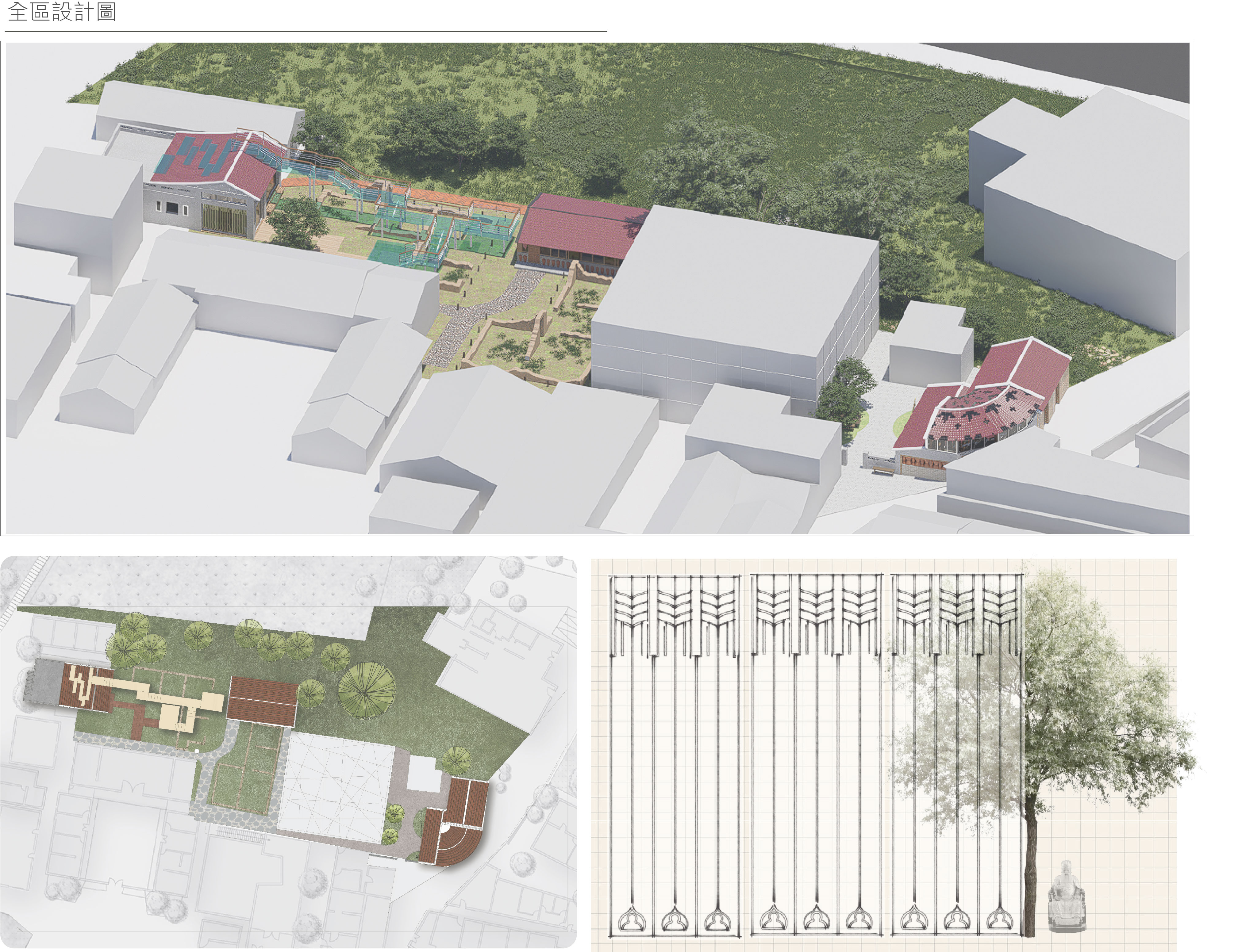
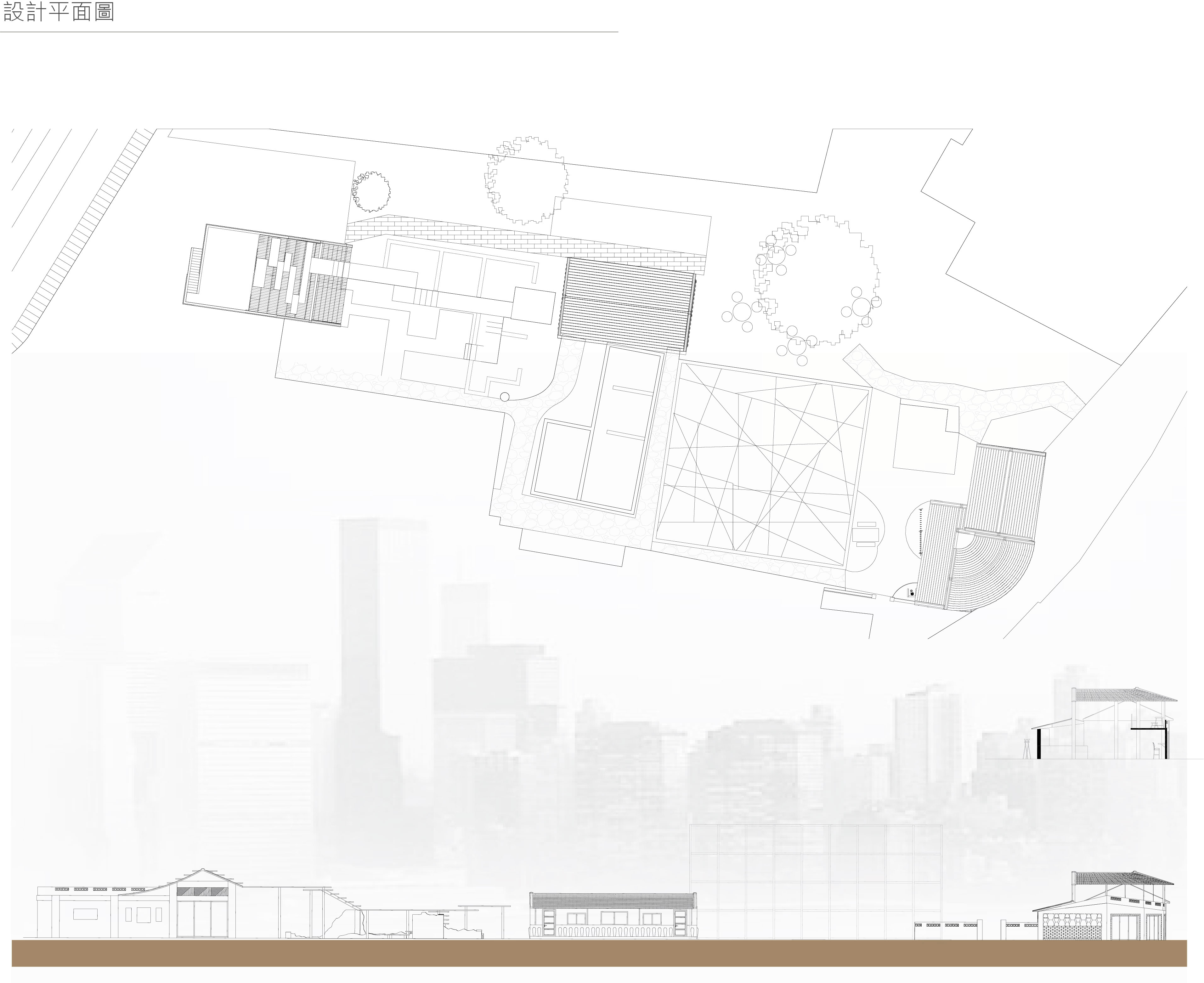
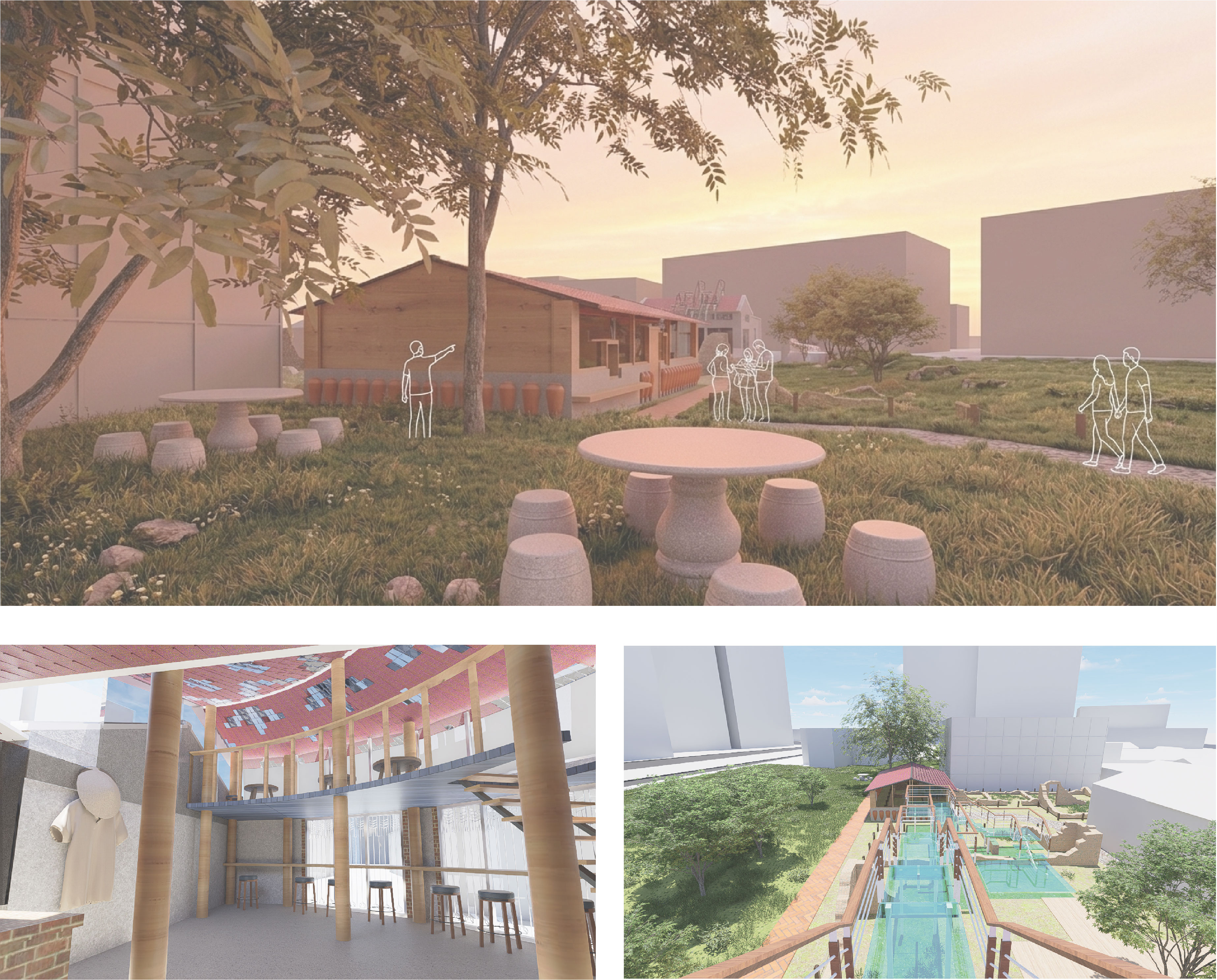
本設計以新瓦屋客家聚落為基地,探討在高樓林立的都市環境中,傳統聚落如何重新被理解與使用。現況中,新瓦屋被周圍現代建築包圍,逐漸成為居民穿越城市的捷徑通道,空間多以快速通行為主,缺乏停留與交流,使原有的生活脈絡逐漸淡化。因此本計畫以「重回生活捷徑」為核心,重新詮釋通行動線的空間意義,將原本單一的通道轉化為承載日常活動的生活街道。
設計導入早餐店、雜貨店、陶甕店與擂茶店等機能,串聯形成一條具有時間性與生活節奏的街道,讓人們在移動的過程中自然參與客家日常。透過棚架、榕樹節點與半戶外空間,創造可停留與互動的場所;並運用土磚、瓦片與藍染等材料語言,轉化客家文化的空間樣貌,使聚落從被動保存轉為主動生成生活。最終,新瓦屋不再只是城市中的過渡空間,而是重新回歸生活的文化場域。
Beyond the Tile House: Reconstructing a Hakka Living Street
This project reinterprets the Hakka settlement of Xinwawu in Hsinchu within a rapidly urbanized context, where it has become a shortcut lacking everyday life. By proposing “reclaiming the everyday shortcut,” the design transforms a path of movement into a street of activities.
Programs such as a breakfast shop, grocery store, pottery shop, and lei-cha house are arranged to reflect daily rhythms, while arcades, pavilions, and semi-outdoor spaces encourage interaction. Traditional materials reinterpret Hakka identity within a contemporary setting.
The project shifts Xinwawu from a passive heritage site into an active living environment where culture is experienced through everyday life.
崑山科技大學 空間設計系
(四年級) 指導老師 林O惠